






Taming the Blood Sugar Spike
The most significant benefit of a post-meal walk is its powerful effect on blood sugar management. After you eat, carbohydrates are broken down into glucose, which enters your bloodstream, causing blood sugar levels to rise. For your body to use this
glucose for energy, it needs insulin. However, when there's a large, rapid spike in blood sugar, your system can get overwhelmed. A walk after eating helps solve this problem directly. When you walk, your muscles contract and require energy, so they pull glucose directly from the bloodstream to fuel their movement. This process improves your body's insulin sensitivity, meaning it can manage blood sugar more efficiently with less effort. Studies have shown that even a light walk for just 10 to 15 minutes can significantly blunt the post-meal glucose spike, which is particularly beneficial for people managing prediabetes or type 2 diabetes.
The Best Time for Your Stroll
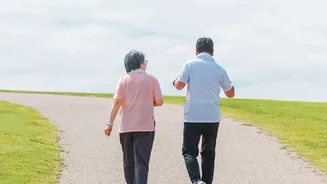
Timing is key to maximizing the blood sugar benefits. Research suggests that the ideal window for a post-meal walk is within 60 to 90 minutes of finishing your meal, as this is when blood glucose levels typically peak. However, some experts note that starting your walk even sooner, perhaps 15 to 30 minutes after eating, can be highly effective. The goal is to get your muscles working just as the glucose from your meal starts flooding your bloodstream. One study highlighted that three 15-minute walks after each meal were more effective at controlling blood sugar over a 24-hour period than a single 45-minute walk, especially for older adults. So, you don't need to block out a huge chunk of time; a short, consistent effort after eating yields impressive results.
Soothing Soreness and Stiffness
While the headline mentions alleviating muscle soreness, it's important to clarify what this means. A light walk is a form of active recovery that can help with general stiffness and aches, especially those that come from sitting for long periods. The movement increases blood flow to your muscles, which delivers oxygen and nutrients that can help them feel less tight and more flexible. This is different from delayed-onset muscle soreness (DOMS), the intense ache you feel a day or two after a tough workout. While a gentle walk won't magically erase DOMS, it can prevent your muscles from stiffening up, which often makes the soreness feel worse. Think of it as a way to keep your body loose and improve circulation, rather than a direct cure for post-exercise pain.
More Than Just Sugar and Soreness
The benefits don't stop there. A gentle stroll after eating actively aids digestion. It encourages peristalsis, the muscular contractions that move food through your digestive system, which can help reduce feelings of bloating and gas. Over the long term, making post-meal walks a habit contributes to better cardiovascular health by helping to manage blood pressure and cholesterol. It's a simple, low-impact way to increase your daily physical activity, which supports weight management by burning extra calories and improving metabolism. Furthermore, the simple act of stepping outside and moving your body can be a great mental reset, reducing stress and boosting your mood thanks to the release of endorphins.
How to Make It a Habit
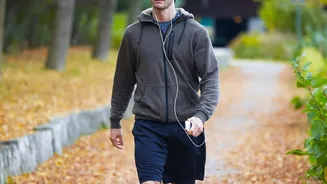
Incorporating this into your routine doesn't have to be complicated. If you're at work, use your lunch break for a quick walk around the block or even just up and down a few flights of stairs. At home, make it a family activity after dinner. You can walk around the neighborhood or simply pace in your living room while listening to a podcast. The key is consistency. Start with what feels manageable, even if it's just five minutes, and gradually build up to 15. You don't need special gear or a gym membership; just a commitment to taking that first step after your meal. The ease and accessibility of walking make it one of the most sustainable health habits you can adopt.