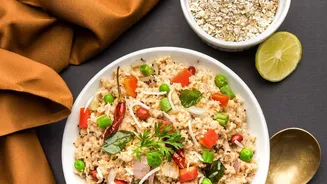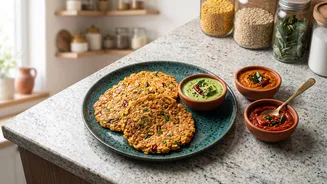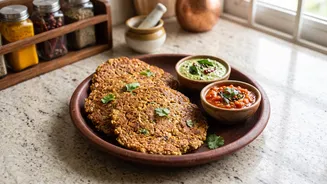




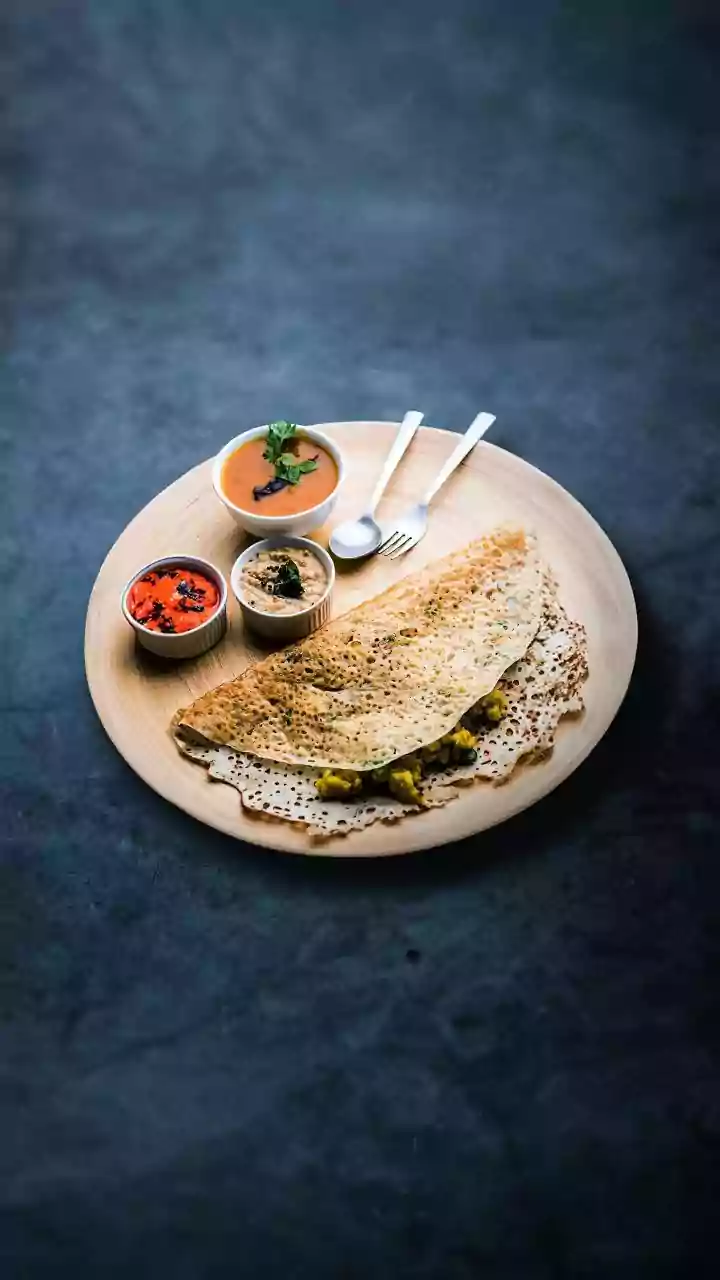
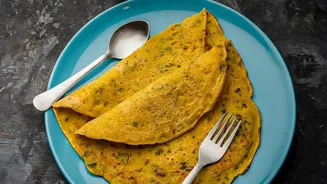
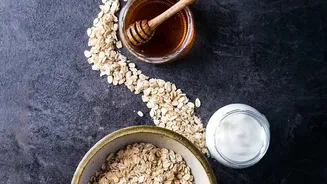
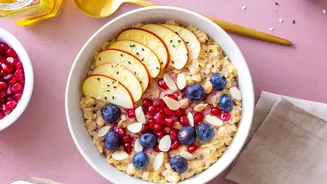
A classic South Indian comfort food gets a healthy, modern makeover. Oats Adai swaps traditional rice for fibre-rich oats, creating a nutritious, protein-packed pancake that doesn't compromise on taste. Here’s what you need to know to master it.
A Modern Take on a Classic
Adai is
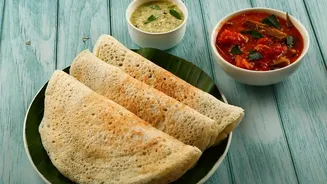
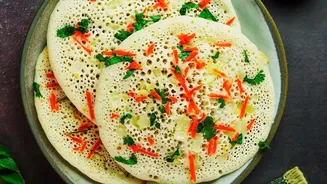
a savoury, protein-rich pancake from South India, traditionally made by grinding a mixture of lentils and rice into a thick batter. Unlike its cousin, the dosa, adai batter requires no fermentation and is typically made thicker, with a coarse texture that gives it a unique, hearty bite. The Oats Adai is a contemporary variation that substitutes some or all of the rice with oats. This simple swap boosts the dish's nutritional profile, making it a popular choice for a healthy breakfast or a light dinner. It appeals to those looking to incorporate more whole grains into their diet without giving up traditional flavours. Many who dislike the texture of oats porridge find this a delicious way to enjoy its benefits.
The Nutritional Powerhouse
The star ingredients in Oats Adai are lentils and, of course, oats. The combination of different dals like toor, chana, and moong dal makes the dish inherently rich in plant-based protein. Oats are celebrated for their high content of soluble fibre, particularly beta-glucan, which is known to help lower 'bad' LDL cholesterol and support heart health. This fibre also aids in digestion and promotes a feeling of fullness, which can help with weight management. Together, the lentils and oats provide sustained energy release, making it an excellent meal to start your day or refuel after a workout.
Preparing the Perfect Batter
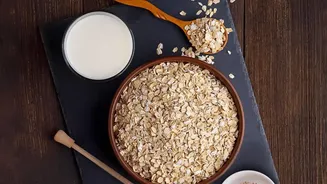
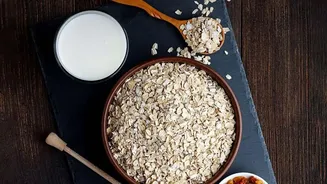
The key to a great Oats Adai lies in the batter. The process starts with soaking the lentils. A common mix includes toor dal, chana dal, moong dal, and a small amount of urad dal. These should be soaked in water for at least a few hours. While the dals soak, you can prepare the oats. Many recipes call for dry roasting quick-cooking or rolled oats and grinding them into a powder. After soaking, the dals are drained and ground into a coarse paste, often along with flavourings like dried red chillies, ginger, fennel seeds, and asafoetida (hing). This coarse lentil paste is then combined with the oat powder and salt. Water is added gradually to achieve a thick, pourable batter, often slightly thicker than a standard dosa batter. For extra flavour and texture, finely chopped onions, curry leaves, and coriander can be mixed in just before cooking.
The Secret to a Crispy Adai
Cooking the adai correctly is what gives it its signature crispy-on-the-outside, soft-on-the-inside texture. The headline star, a 'hot tawa', is crucial. A cast iron tawa is often recommended for the best results, as it retains heat evenly. The tawa should be hot but not smoking. You can test it by sprinkling a few drops of water; they should sizzle and evaporate immediately. Grease the tawa lightly with oil or ghee. Pour a ladleful of the batter onto the centre and spread it in a circular motion. You can make it as thick or thin as you like, but traditional adai is on the thicker side. A classic technique involves making a small hole in the centre of the adai after spreading it. This allows you to drizzle a little oil into the middle, helping it cook evenly from the inside out. Cook on medium heat until the bottom is golden brown and the edges start to look crisp. Then, flip it and cook the other side. Being generous with oil or ghee is one of the secrets to achieving that perfect golden brown crispiness.
Serving and Storage
Oats Adai is best served hot, straight off the tawa. The classic accompaniment is avial, a mixed vegetable curry cooked in a coconut and yogurt gravy. However, it pairs wonderfully with a variety of sides. Simple options like coconut chutney, idli podi, or even a piece of jaggery work beautifully. The batter can be made ahead of time and stored in the refrigerator for up to two days. As the batter tends to thicken upon resting, you might need to add a little water to get it back to the right consistency before making the adais.