


A New Class of Comfort
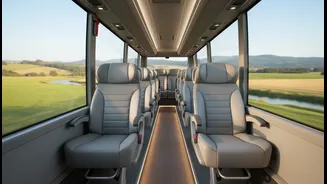
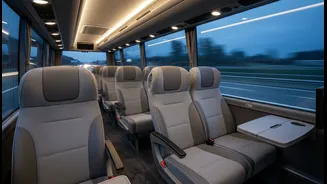
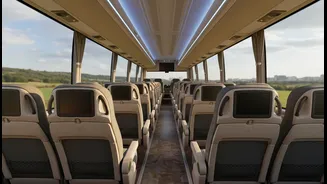
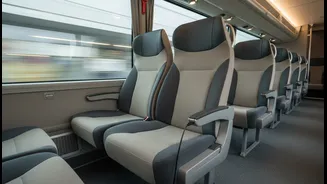
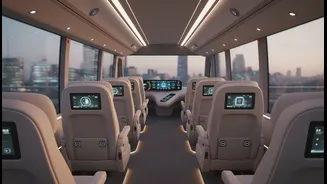
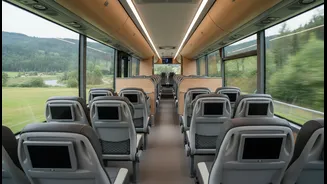
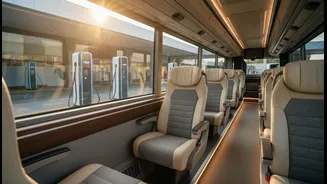
The single biggest differentiator of these new electric buses is the passenger experience. With no engine vibrations or loud noise, the journey is significantly quieter and more comfortable. Operators are marketing these as a premium service, and for good
reason. The buses often feature plusher, reclining seats with more legroom, individual USB charging ports, and Wi-Fi connectivity. Companies like NueGo even offer premium lounges in select cities for passengers to wait in comfort before boarding. The combination of a silent ride and modern amenities transforms the perception of bus travel from a budget-conscious compromise to a genuinely pleasant mode of transport. The fully air-conditioned coaches glide smoothly, making even long, overnight trips feel more restful.
The Key Players and Routes
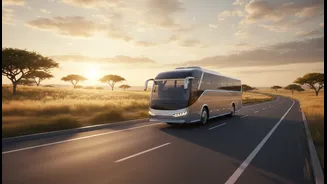
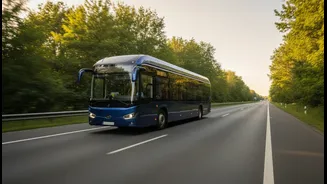
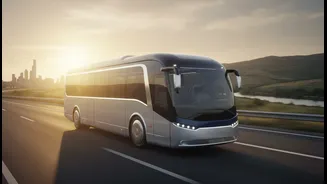
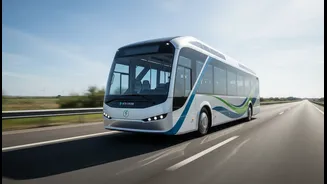
Several companies are at the forefront of this electric wave. GreenCell Mobility's NueGo brand has become a prominent player, connecting over 120 cities with a fleet of more than 300 electric buses. They operate on high-demand corridors like Delhi-Lucknow, Bangalore-Tirupati, and Hyderabad-Vijayawada. Other operators, including Fresh Bus and the recently announced expansion by zingbus, are also aggressively expanding their networks, particularly in South and West India. Routes such as Bengaluru-Chennai, Hyderabad-Guntur, and Mumbai-Pune are now regularly serviced by these electric fleets. The strategy appears focused on connecting major urban and commercial hubs where there is consistent passenger traffic, making the economics of setting up charging infrastructure more viable. As of July 2026, companies like zingbus have announced plans to deploy hundreds of new electric buses over the next year.
The Green and Economic Case
Beyond passenger comfort, the shift to electric buses carries significant environmental and economic advantages. The most obvious benefit is the elimination of tailpipe emissions, which directly contributes to cleaner air in cities and along travel corridors. This aligns with India's broader goals to reduce its carbon footprint and dependency on imported fossil fuels. For operators, the economics are compelling, despite the high initial purchase price of an electric bus, which can be more than double that of a comparable diesel model. The operational costs are substantially lower; one estimate suggests the fuel cost for an electric bus on the Hyderabad-Bengaluru route is a fraction of that for a diesel one. This allows operators to offer competitive fares while being insulated from volatile diesel prices. Government support, through schemes like FAME India and its successors, has also been crucial in subsidising the high capital cost and encouraging adoption.
Roadblocks on the Highway
Despite the momentum, the path to widespread adoption is not without its challenges. The most significant hurdle is the lack of a robust charging infrastructure along highways. While most buses have a range of 250-400 km on a single charge, which is sufficient for many popular routes, longer journeys require reliable and fast en-route charging facilities, which are still scarce. This 'range anxiety' is a major constraint for expanding to more diverse and longer routes. The high upfront capital investment remains a barrier for many smaller private operators, even with favourable long-term ownership costs. Furthermore, issues like the long-term reliability and replacement cost of batteries are practical concerns that the industry is still navigating.
The Road Ahead
The future of intercity electric buses in India looks promising but is dependent on solving the infrastructure puzzle. The government's push for electrification, including the PM-eBus Sewa scheme, is expected to continue driving demand and supporting the development of charging networks. As battery technology improves, offering longer ranges and faster charging times, the viability of electric buses will expand to cover more of India's vast road network. Private operators are increasingly seeing the business case, with major players planning to add thousands of electric buses to their fleets by 2030. This shift won't happen overnight, but the current wave of premium electric buses offers a clear glimpse into a future where long-distance road travel is cleaner, quieter, and more comfortable for millions of Indians.