

The Heart of the Raj: B.B.D. Bagh
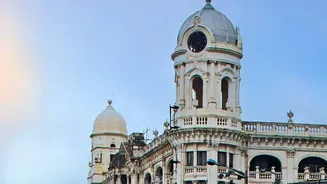
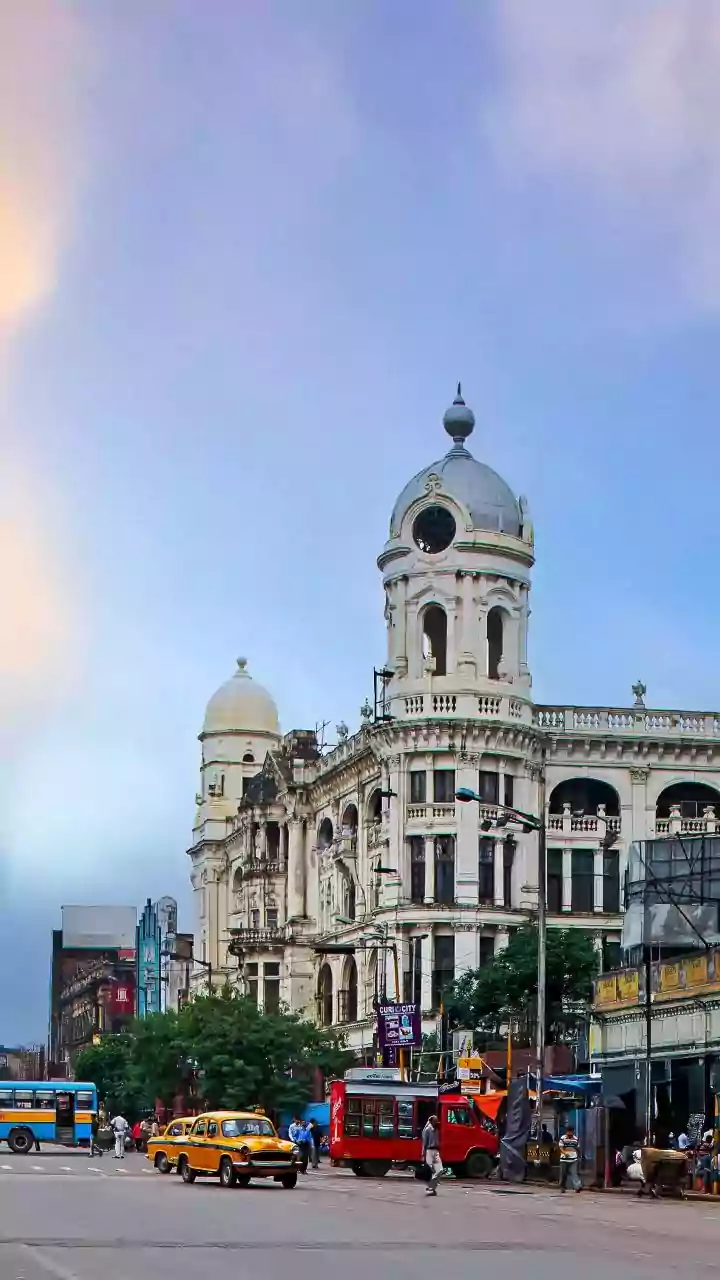
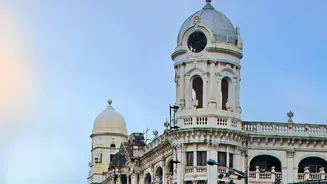
Formerly known as Dalhousie Square, B.B.D. Bagh was the administrative and commercial nucleus of British Calcutta. This area remains one of the most concentrated zones of colonial architecture in the world. The square is flanked by monumental structures
that once ran an empire. The most prominent is the Writers' Building, with its distinctive red-brick facade stretching 150 metres along the northern edge of the central water body, Lal Dighi. Originally built in 1777 to house the clerks (or 'writers') of the East India Company, it evolved into the seat of government for Bengal. Its Greco-Roman architectural elements, including statues of Greek gods, were meant to project power and permanence. Today, the area is a bustling hub, but a morning walk here offers a powerful glimpse into the city’s imperial past.
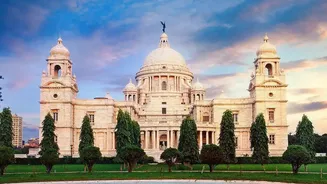
Victoria Memorial: The 'Taj of the Raj'
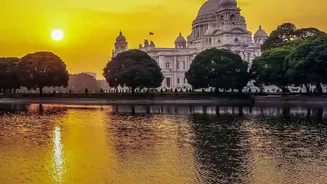
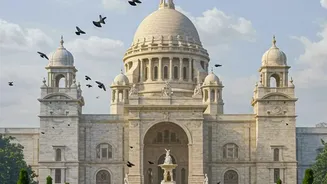
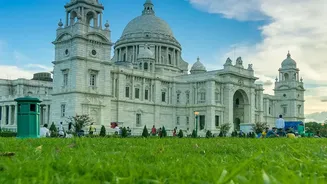
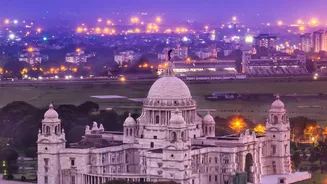
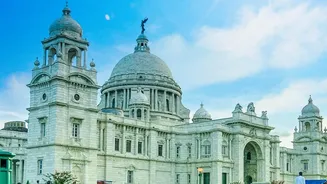
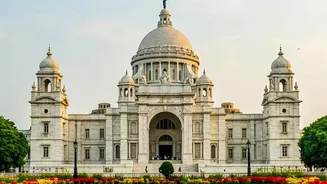
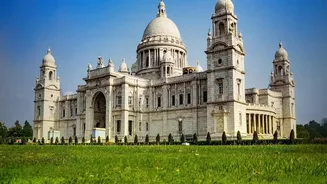
No monument better encapsulates the colonial legacy in Kolkata than the Victoria Memorial. Conceived by Lord Curzon after the death of Queen Victoria in 1901, this magnificent white-marble structure was completed in 1921. Often called the 'Taj of the Raj', it was built using the same Makrana marble as the Taj Mahal. The design is a blend of British and Mughal styles, often described as Indo-Saracenic revivalist architecture, featuring elements from Venetian, Egyptian, and Islamic traditions. The building now serves as a museum with 25 galleries showcasing artifacts from the British period, including paintings depicting Queen Victoria's life and a special Calcutta Gallery that traces the city's history. Surrounded by 64 acres of lush gardens, it is a favourite spot for locals and tourists alike, offering serene walks and picturesque views, especially during sunset.
St. Paul's Cathedral: A Gothic Masterpiece
A short walk from the Victoria Memorial stands St. Paul's Cathedral, the first Anglican cathedral in Asia, consecrated in 1847. Its construction was initiated to accommodate Calcutta’s growing European community, which had outgrown the older St. John's Church. Designed by Major William Nairn Forbes, its style is described as 'Indo-Gothic,' adapting European Gothic Revival architecture for the Indian climate. The original spire was damaged in earthquakes in 1897 and 1934, after which the tower was rebuilt to resemble the Bell Harry Tower of England's Canterbury Cathedral. Inside, the vast, quiet nave, stained-glass windows, and intricate memorials create an atmosphere of solemn grandeur. One of its most notable features is the west window, designed by Sir Edward Burne-Jones in memory of a British viceroy.
Other Noteworthy Colonial Structures
Beyond the main landmarks, Kolkata's colonial character is etched into countless other buildings. The General Post Office (GPO), with its towering dome and Corinthian columns, is an imposing sight in B.B.D. Bagh, built on the site of the original Fort William. The nearby Calcutta High Court, a neo-Gothic red-brick building, is the oldest High Court in India, established in 1862. For a different perspective, the Indian Museum, founded in 1814, is one of the oldest in the Asia-Pacific region and a grand colonial institution in its own right. Not far from the bustling centre, the Marble Palace, built in 1835 by a wealthy Bengali merchant, offers a fascinating look at neoclassical architecture and houses a private collection of art.
A Hauntingly Beautiful End: South Park Street Cemetery
For a truly atmospheric journey into the city’s colonial past, a visit to the South Park Street Cemetery is essential. Established in 1767, it is one of the earliest non-church cemeteries in the world. Closed for burials since the 1830s, it now serves as a heritage site where nature has begun to reclaim the elaborate tombs and mausoleums. The graves belong to early European settlers, officials, and merchants, and their tombs are a striking mix of Gothic, Roman, Greek, and Indo-Saracenic styles. Walking among the moss-covered obelisks, pyramids, and urns feels like stepping into another era. It’s a quiet, reflective space that tells the stories of the individuals who lived and died in colonial Calcutta.