
Venus Dazzles in the Evening
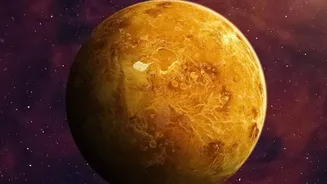
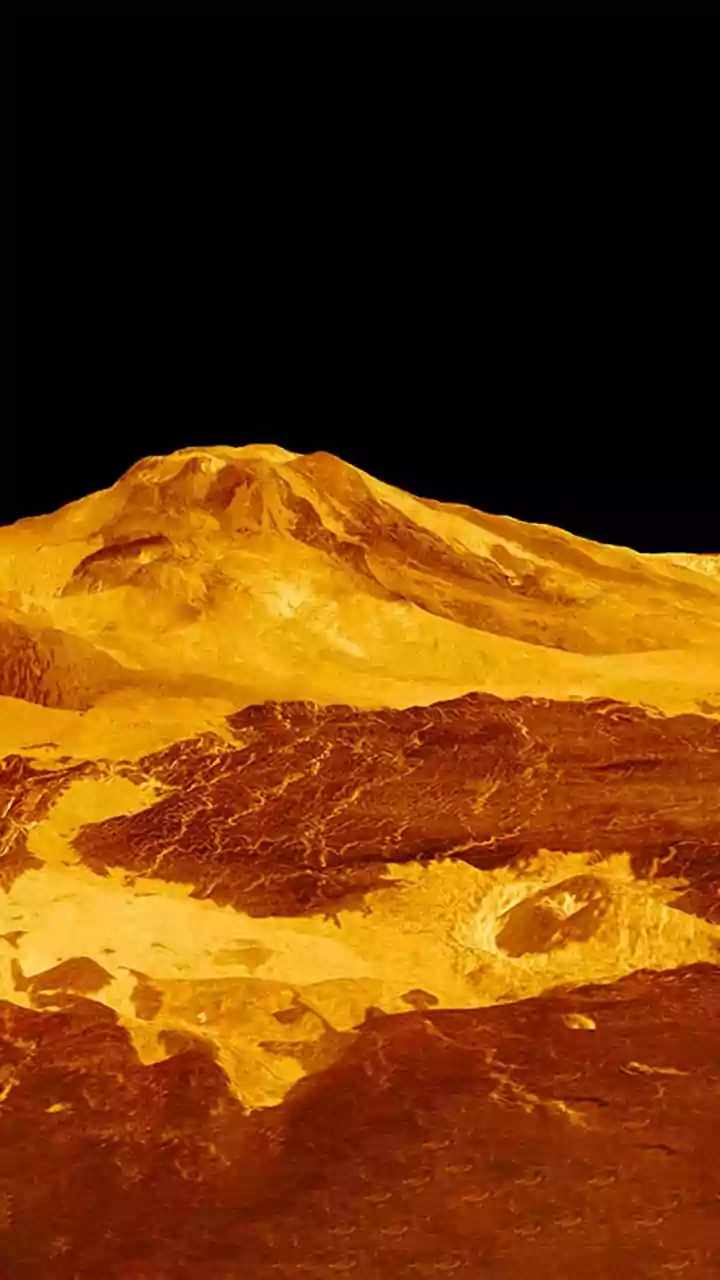
Throughout September, the planet Venus will be a brilliant beacon in the western sky shortly after sunset. Already stunningly bright, Venus reaches its peak brilliance for the entire year on or around September 18-22, achieving a magnitude of -4.8. This
is the point where its proximity to Earth and its crescent phase combine to give it the greatest illuminated area from our perspective. Look for it low on the horizon as twilight deepens. Early in the month, on September 1 and 2, Venus will be very close to Spica, the brightest star in the constellation Virgo. Later, on September 13 and 14, the thin waxing crescent Moon will create a beautiful pairing with Venus, making for a memorable photo opportunity.
A Minor Meteor Shower Peaks
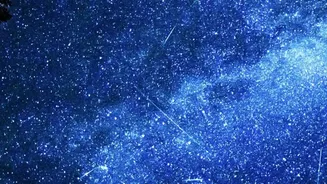
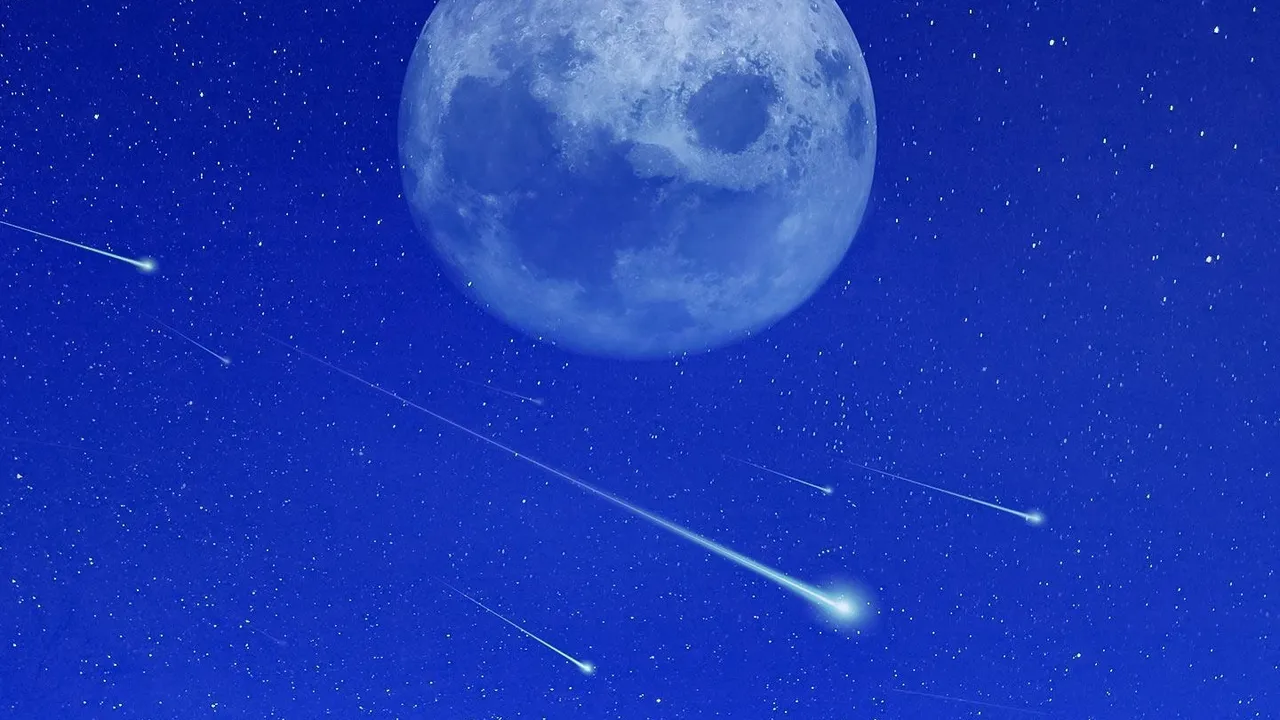
While not as dramatic as the August Perseids, the September Epsilon Perseids offer a chance to catch a few shooting stars. This minor meteor shower is active from early to mid-September, with its peak expected on the night of September 9. With the New Moon occurring on September 11, the sky will be dark and moonless, providing excellent conditions for viewing. Under ideal conditions away from city lights, you might see about five to eight meteors per hour. Look toward the constellation Perseus in the northeast after 10 p.m., but remember that meteors can appear anywhere in the sky.
Saturn Rises in the East
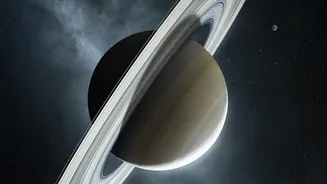
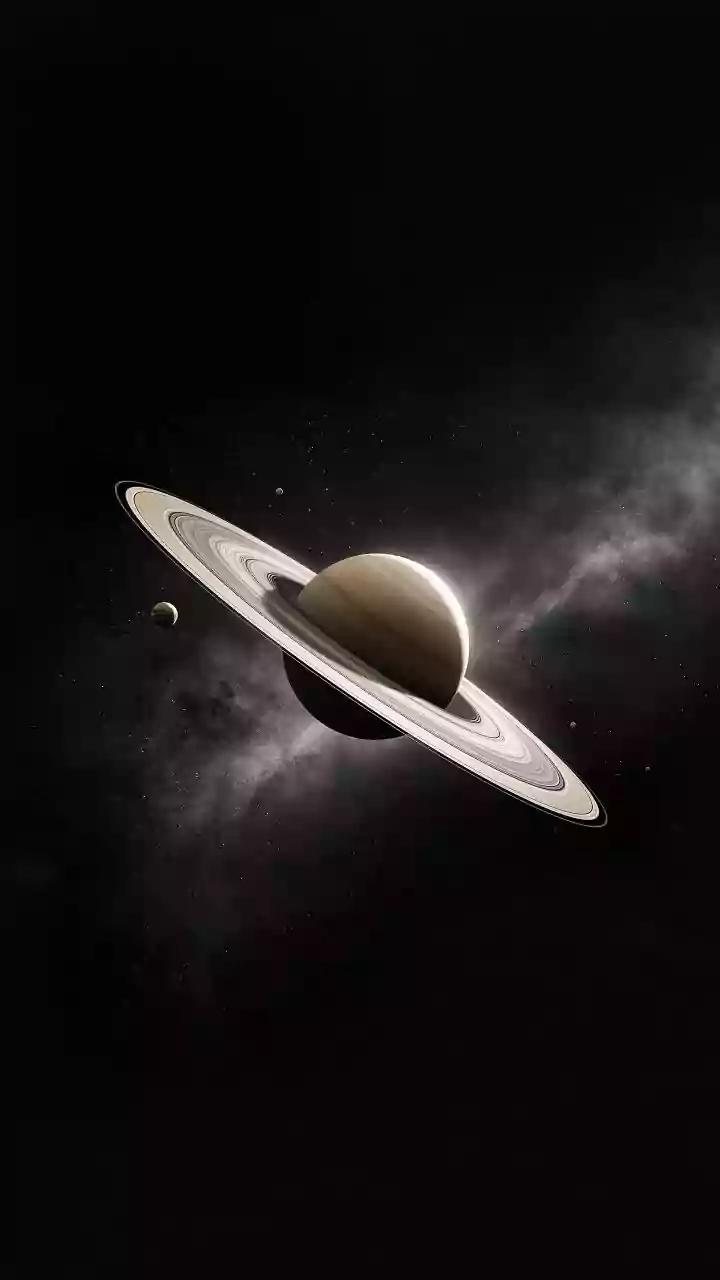
The ringed planet Saturn becomes a prominent feature of the evening sky this month. Rising in the east shortly after sunset, it will be visible for most of the night. While Saturn’s opposition—its closest and brightest point for the year—isn't until early October, September offers fantastic views. The planet will be located in a relatively sparse region of the sky in the constellation Pisces, making its steady, yellowish light easy to spot. On the night of September 26-27, the full Harvest Moon will appear near Saturn, creating a lovely pairing. Even a modest telescope will reveal its iconic rings, which are now tilted favorably for viewing.
Neptune at Its Best
September offers the best opportunity of the year to spot the solar system's most distant planet. On September 25-26, Neptune reaches opposition. At this time, Earth is directly between the sun and the ice giant, making Neptune appear at its brightest and largest in our sky. It will rise in the east around sunset and be visible all night. You won't be able to see it with the naked eye; at magnitude 7.8, it will require good binoculars or a telescope. Look for a tiny, blueish, star-like point in the constellation Pisces. The nearby presence of Saturn can help you locate the general area in the sky.
The Harvest Moon Arrives
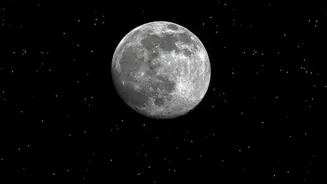
The full moon on Saturday, September 26, is the famous Harvest Moon. This is the full moon that occurs closest to the autumnal equinox (which falls on September 22-23). Traditionally, the light from the Harvest Moon helped farmers work late into the evening to bring in their crops. What makes it special is that for several consecutive evenings around this date, the moon rises at nearly the same time shortly after sunset. Look to the eastern horizon at dusk to see the full moon appear, often with a beautiful orange or reddish hue due to being seen through more of Earth's atmosphere.
Morning Planets: Jupiter and Mars
For early risers, the pre-dawn sky holds its own celestial treats. The giant planet Jupiter will be a very bright, white object dominating the eastern sky before sunrise. On the morning of September 8, a thin crescent moon will pass very close to Jupiter, making for a striking sight in the constellation Cancer. Meanwhile, the reddish planet Mars is also visible in the pre-dawn east, steadily growing brighter as the months progress. A waning crescent moon will join Mars on the morning of September 6.