







The Old Manual Mess
Not long ago, securing a simple student concession or booking a group trip was a task that university administrators and students dreaded. The process was a labyrinth of paperwork, long queues, and frustrating manual verifications. Universities had to manage
physical "Concession Books," with staff painstakingly filling out student details in triplicate for each journey. To book tickets for an educational tour or a sports team, an authorised university representative had to physically visit a designated railway reservation centre, often after securing prior approval from various railway officials depending on the group's size. This involved submitting multiple copies of student lists, official request letters on university letterhead, and other supporting documents. The system was not only time-consuming and inefficient but also prone to errors and last-minute chaos, adding a significant layer of administrative turmoil to academic life.
Enter the Digital Overhaul
In recent years, Indian Railways has embarked on a massive digital transformation, aiming to modernise its vast operations. While high-profile projects often grab headlines, the steady upgrade of its backend IT infrastructure, including the Passenger Reservation System (PRS) and the IRCTC online portal, has had a profound impact. The introduction of platforms like RailCloud has provided a scalable IT foundation to support new digital services. These overhauls are not just about faster individual ticket booking; they are creating pathways for integrating with other systems and digitising processes that were once exclusively offline. This includes partnerships with academic and research institutions to leverage technology for improving everything from safety to operational efficiency, signalling a deep commitment to a digital-first approach.
Simplified Concessions, Happier Students
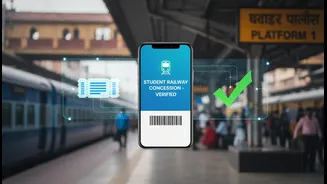
One of the most significant reliefs for universities is the move towards digitising the student concession process. While the legacy system of physical forms still exists in many areas, a growing number of educational institutions are integrating their student databases with railway systems. Some universities now use their own Enterprise Resource Planning (ERP) portals to handle concession requests. A student can log in, apply for the concession, and the university digitally verifies their status. This eliminates the need for the student to carry physical, signed forms to the railway counter. The system reduces paperwork, speeds up processing time, and minimises the chances of fraudulent claims. For students, this means less time spent running between the university office and the railway station and a more straightforward process for availing the discounts they are entitled to for travel to their hometowns or for educational tours.
From Chaos to Clicks: Group Travel Reimagined
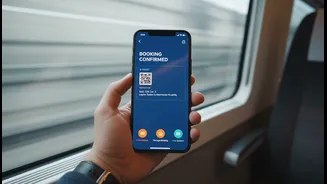
While online bulk booking for the general public remains restricted to prevent misuse, the digital infrastructure has streamlined the process for institutions. Rather than a purely manual application, university authorities can now often initiate the process through dedicated channels or find that the verification and approval workflows are significantly faster due to digitised records. After obtaining approval from railway authorities, the actual booking can sometimes be completed online by railway officials, removing the need for the university representative to spend hours at a counter. For certain premium trains, like the Tejas Express, Indian Railways has even trialed dedicated online group booking facilities. This shift drastically reduces the logistical nightmare of coordinating travel for dozens or even hundreds of students, ensuring that seats can be secured with greater ease and accuracy, and freeing up administrative staff to focus on the actual objectives of the trip rather than the travel arrangements.
The Road Ahead: Integration and Efficiency
The journey towards a fully seamless digital experience is ongoing. As recently as June 2026, student feedback directly led the Railway Minister to announce a revamped IRCTC website to tackle common user frustrations like CAPTCHA issues and payment failures. The goal is to create a unified, user-friendly platform that consolidates all services. The success of these digital overhauls lies in deeper integration—connecting university databases directly with the railway ticketing system through secure APIs. This would enable real-time, automated verification of student status, concession eligibility, and institutional authority for group bookings, making the entire process as simple as any other online transaction. This vision, powered by a robust and responsive digital backbone, promises to finally end the ticket processing turmoils for educational institutions across India.