





Beyond the Beautiful Facade
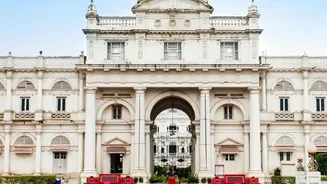
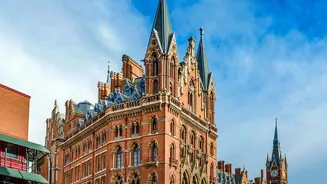
There was a time when the primary draw of a heritage property was its physical grandeur. From towering colonial mansions in the Indian heartland to majestic palaces turned hotels, the architecture itself was the main character. Social media amplified
this, turning these locations into backdrops for carefully curated digital lives. However, this very trend has sparked a desire for something more substantial. Travellers are beginning to look past the picture-perfect and ask what lies beneath. A building's history is still a vital part of its appeal, but it's now the starting point of the conversation, not the end. The new luxury is less about flamboyance and more about quiet, meaningful experiences.
The Quest for Authentic Experience
Modern guests at historic hotels want to do more than just sleep in a building with a past; they want to connect with it. This has given rise to a focus on experiential authenticity. Instead of being passive observers, travellers want to participate in the local culture. Top-tier historic hotels are responding by creating unique, curated activities that cannot be replicated elsewhere. This might mean participating in an equestrian program, taking a fermentation course, learning about local agriculture, or receiving DJ lessons from a local artist. The goal is to move beyond generic tourism and create memorable, immersive journeys that offer a genuine connection to the place.
Sustainability as the New Standard
The definition of luxury is now deeply intertwined with sustainability. For historic hotels, this goes far beyond simply asking guests to reuse towels. It has become a core value. Preserving and restoring a heritage building is, in itself, a profoundly sustainable act, as it conserves the embodied carbon within the original structure. The best properties are also integrating this ethos into their operations. This includes everything from installing vertical gardens and collecting rainwater to eliminating single-use plastics and serving farm-to-table cuisine grown on-site. These initiatives are no longer optional add-ons but essential components of the guest experience, satisfying a growing demand for travel that is both luxurious and responsible.
Community as the Ultimate Amenity
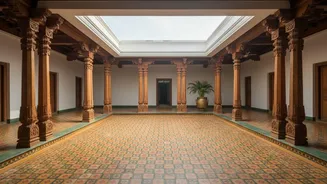
Historic hotels are shedding their reputation as isolated enclaves for the wealthy. The most forward-thinking properties are weaving themselves into the fabric of their local communities. They are becoming active players in the life of their city or region, acting as cultural hubs that connect visitors with locals. This can take many forms: hosting markets for local artisans, showcasing regional art, or opening up plazas and courtyards that link the hotel to surrounding neighbourhoods. By doing so, they offer guests a richer, more authentic stay while ensuring that the economic benefits of tourism are shared with the local community, creating a virtuous cycle of mutual support.
Invisible Tech and 'Hushpitality'
While embracing history, these hotels are not ignoring the future. Technology is being integrated, but in a subtle and thoughtful way. The aim is not to create a sterile, futuristic environment but to use tech to enhance comfort and personalisation without disrupting the historic charm. This could be a unified communication system that streamlines guest requests or smart climate controls that optimize energy use. Simultaneously, a counter-trend known as 'hushpitality' is emerging, where luxury is defined by the absence of noise and digital distraction. These hotels are creating quiet sanctuaries with soundproofed rooms, private terraces, and silent programming, allowing guests to truly disconnect and recharge in a historic setting.