

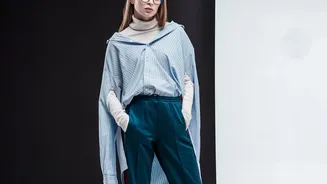
1. Build a Neutral Foundation
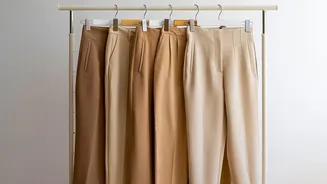
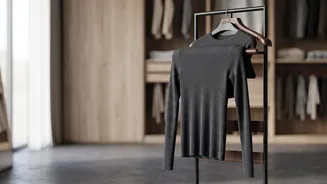
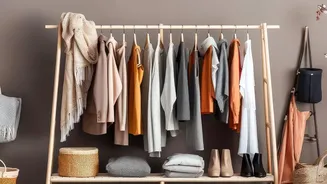
The cornerstone of any versatile wardrobe is a solid collection of high-quality basics in neutral colours. These are the workhorses of your closet that provide the canvas for countless outfits. Think of colours like black, white, grey, navy, camel, and
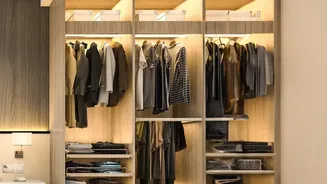
beige. Your foundation should include timeless items like a crisp white t-shirt, a pair of well-fitting dark wash jeans, tailored trousers, a simple black dress, and a classic button-down shirt. These pieces are not meant to be boring; they are the reliable anchors that can be paired with almost anything. By investing in these core items, you ensure you always have a starting point for an outfit, eliminating that 'nothing to wear' feeling and providing a practical base to build upon. A wardrobe with a strong foundation means less decision fatigue and more effortless style.
2. Define Your Colour Palette
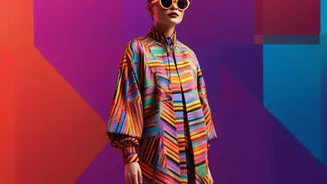
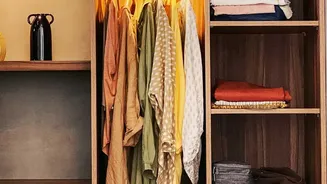
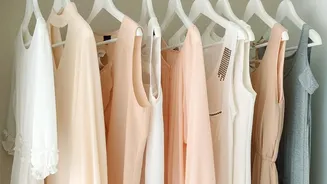
Once you have your neutrals, the next step is to choose a cohesive colour palette. This is a game-changer for mixing and matching. Select two to four accent colours that you love and that complement your neutral base. These could be soft pastels, rich jewel tones, or earthy shades like olive green and terracotta. The key is to ensure that each accent colour works with your neutrals and, ideally, with the other accent colours. This simple strategy creates harmony across your wardrobe, making it almost impossible to create a clashing outfit. When you're shopping, you can be more intentional, asking yourself if a potential new item fits within your established palette. This not only makes getting dressed faster but also helps curb impulse purchases that end up as 'wardrobe orphans'—those pieces that only go with one other thing you own.
3. Master the 'Third-Piece' Rule
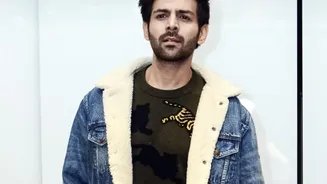
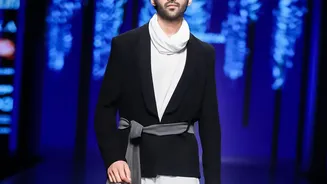
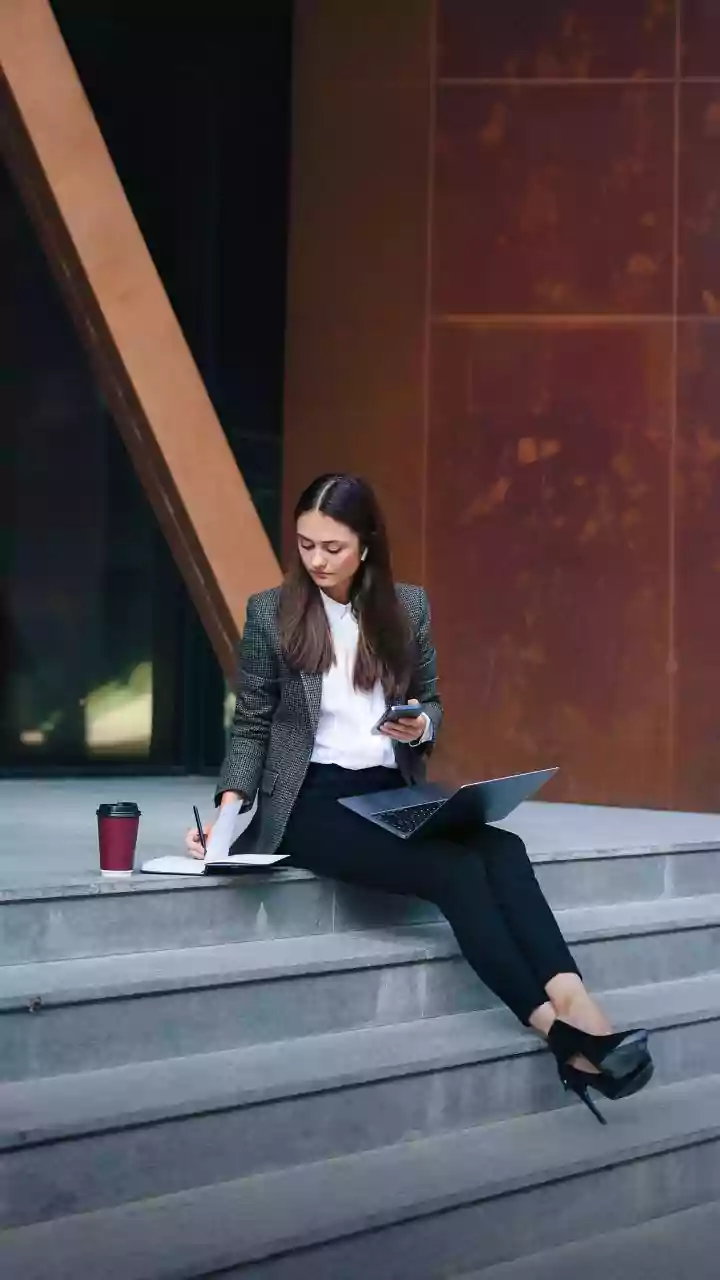
This is a simple trick stylists use to make any outfit look more polished and intentional. Your top is the first piece, your bottoms are the second, and the third piece is an extra element that pulls the look together. This could be a blazer, a cardigan, a vest, a denim jacket, or even a scarf. Think about a simple t-shirt and jeans. It's a perfectly fine outfit. Now, add a structured blazer. Instantly, the look is more elevated and sophisticated. Drape a lightweight sweater over your shoulders, and it becomes relaxed and preppy. The third piece adds depth, texture, and personality. It shows you didn't just put on clothes; you created an outfit. This rule is incredibly effective for getting more mileage out of your basics and transforming them for different occasions.
4. Unleash the Power of Accessories
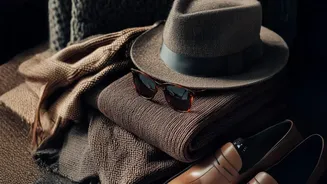
Accessories are the most efficient and affordable way to multiply your outfit options. A simple black dress can be transformed in countless ways with the right additions. Pair it with sneakers and a tote bag for a casual day look. Swap in heels, a statement necklace, and a clutch, and you're ready for an evening out. Belts are particularly powerful; use one to cinch the waist of a dress, blazer, or even a coat to completely change its silhouette. Scarves can be worn around your neck, tied to a handbag, or used as a headpiece. Don't underestimate the impact of changing your shoes or jewellery. These small details can shift the entire mood of an outfit from edgy to classic or from professional to casual without requiring a single new clothing item.
5. Think Like a Stylist, Not a Repeater
Shift your mindset from 'wearing an outfit' to 'styling your clothes'. The most stylish people often re-wear their favourite items constantly; they just style them differently each time. Experiment with new ways to wear your existing clothes. If you always wear your button-down shirt tucked in, try wearing it open over a tank top, tying it at the waist, or doing a 'French tuck' (tucking only the front). Roll the sleeves of your jacket or cuff the hem of your jeans. Layer a turtleneck under a slip dress in cooler weather. Spend a little time in your closet experimenting with new combinations. You'll likely discover dozens of new outfits you never knew you had. This creative approach turns your wardrobe from a static collection of items into a dynamic toolkit for self-expression.