


The Golden Triangle: Delhi, Agra & Jaipur
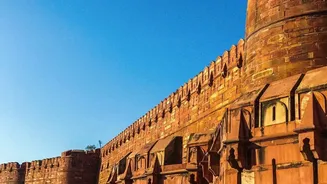
Normally, the tail-end of the monsoon can mean humid and wet conditions across the plains of North India. However, a weaker monsoon makes September an excellent time to explore the iconic Golden Triangle. With less rain, you can expect more comfortable
sightseeing days. Imagine visiting the Taj Mahal against a dramatic but not overly-drenching cloudy sky, or exploring the forts of Jaipur and the markets of Delhi without constant downpours. A deficit in rainfall means roads are in better condition and the typical post-monsoon lushness is still present, but with the added benefit of more manageable weather, fewer crowds, and off-season prices before the peak tourist rush begins in October.
The Arid Beauty of Rajasthan
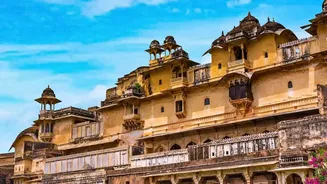
Rajasthan, a state famous for its deserts, is a natural choice during a dry spell. While September usually sees the landscape turn a surprising green after the rains, a below-normal monsoon ensures the weather remains pleasant and not overly humid. This is an ideal time to explore cities like Udaipur, with its lakes full from whatever rain has fallen, or Jodhpur and Jaisalmer, where you can delve into the history of majestic forts and havelis without the scorching heat of summer. The drier conditions make activities like a desert safari near Jaisalmer more accessible and enjoyable. It’s a shoulder season, meaning you get all the royal grandeur with a fraction of the usual tourist traffic.
The High-Altitude Deserts: Ladakh & Spiti Valley
For those seeking adventure and dramatic landscapes, the rain-shadow regions of Ladakh and Spiti Valley in the Himalayas are prime September destinations. These areas naturally receive very little monsoon rain, and a weaker monsoon in the rest of North India can mean that the roads leading to them, like the Manali-Leh highway, are more reliable. September is a fantastic month for this region, offering clear skies, crisp air, and the beginning of autumn colours. It's the perfect window for trekking, monastery visits, and road trips before the intense cold of winter sets in. Acclimatisation is key, but the reward is breathtaking views of a stark, beautiful landscape under brilliant blue skies.
Peninsular India's Drier Side
Regions in Peninsular India have been particularly affected by the rainfall deficit this year. While this is a concern for agriculture, it creates a unique window for travellers. Destinations in Karnataka like Hampi, with its magnificent boulder-strewn ruins, become much easier to explore when the tracks aren't muddy. The subdued rainfall activity forecast for the peninsula means you can wander through the ancient city's temples and monuments comfortably. Similarly, parts of Tamil Nadu, which receive their main rainfall during the later northeast monsoon, offer a dry and pleasant climate in September, making it ideal for temple tours in places like Madurai or exploring the French Quarter of Puducherry without the usual humidity.
Wildlife Parks on the Cusp of Opening
Many of India's famous national parks in Central India, like Bandhavgarh and Kanha in Madhya Pradesh, typically close during the peak monsoon months of July and August and reopen in October. However, a below-normal monsoon can lead to better track conditions and potentially earlier access or a fantastic experience right at the start of the season. A deficit of rain means less waterlogging, making safari drives smoother from day one. While you should always confirm the official opening dates, planning a trip for late September or early October could reward you with lush green forests, active wildlife emerging after the lean season, and fewer vehicles than in the peak winter months. It's a great opportunity for wildlife enthusiasts to get a fresh look at the jungle.