









Why Your Mind Races at Night
For many of us, the evening is when the mental noise gets loudest. After a day of constant stimulation, tasks, and deadlines, our brains can find it difficult to switch off. When external distractions fade, the mind often turns inward, replaying conversations,
worrying about tomorrow's to-do list, or getting stuck on anxious thoughts. This state of high alert is driven by the sympathetic nervous system, the body's 'fight-or-flight' mechanism. It's useful when you're facing a real threat, but less so when you're just trying to relax. Overthinking, or rumination, keeps this system active, making it feel like you're running from a tiger when you’re actually just lying in bed. This can lead to a cycle of anxiety and sleeplessness, where the more you worry about not sleeping, the harder it becomes to drift off.
The Science of a Simple Breath
The claim that breathing can stop overthinking isn't magic; it's biology. Conscious, slow breathing is one of the fastest ways to activate your parasympathetic nervous system, also known as the 'rest-and-digest' system. This system does the opposite of its 'fight-or-flight' counterpart: it slows your heart rate, lowers your blood pressure, and signals to your brain that you are safe. The key is diaphragmatic breathing, or 'belly breathing'. When you take deep, slow breaths that make your belly rise and fall, you stimulate the vagus nerve. This nerve is a primary component of the parasympathetic nervous system and runs from your brainstem down to your abdomen. Stimulating it sends a powerful calming signal throughout your body, interrupting the stress feedback loop that fuels overthinking. Emphasizing a longer exhale is particularly effective, as it has been shown to have an especially soothing effect on the body and mind.
Your Five-Minute Breathing Ritual
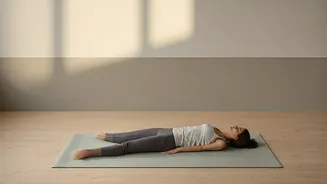
You don't need any special equipment or training to start. This simple exercise, often called 4-7-8 breathing or a variation of it, can be done anywhere, but it is most effective in a quiet, comfortable space. Find a comfortable position, either sitting upright or lying down on your back. 1. Prepare: Gently close your mouth and place the tip of your tongue on the roof of your mouth, just behind your front teeth. Let your body relax. 2. Inhale: Breathe in quietly through your nose for a mental count of four seconds. Focus on filling your belly with air, allowing it to expand. The hand on your stomach should rise, while the one on your chest stays relatively still. 3. Hold: Hold your breath for a count of seven seconds. This pause is important, but don't strain yourself. If seven seconds is too long, start with a shorter count and work your way up. 4. Exhale: Breathe out completely through your mouth for a count of eight seconds, making a gentle 'whoosh' sound as the air leaves. The longer exhale is crucial for triggering the relaxation response. Repeat this cycle for three to five more breaths, or continue for up to five minutes. The goal is not to achieve perfection, but to gently guide your focus away from racing thoughts and onto the rhythm of your breath.
Making the Calm Stick
While a single session can provide immediate relief, the real power of this practice comes with consistency. Think of it as exercising a muscle. The more you practice, the easier it becomes for your body and mind to shift into a state of calm. Try to incorporate this five-minute ritual into your evening routine every night, even on days when you don't feel particularly stressed. Doing it at the same time, such as right after brushing your teeth or once you get into bed, can help solidify the habit. Don't be discouraged if your mind wanders during the exercise; that's completely normal. Each time you notice your thoughts drifting, gently guide your attention back to the counting and the sensation of your breath. Over time, you'll build a stronger ability to manage stress not just at night, but throughout your day.