

A New Age of Domestic Travel
For decades, the great Indian holiday was defined by train journeys or occasional flights, often planned months in advance. Today, a new culture of spontaneity is taking hold, with self-drive trips emerging as a preferred mode of travel. This isn't just
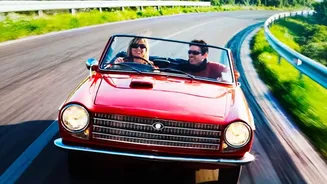
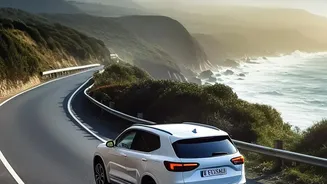
about convenience; it's a fundamental change in mindset. Indians are increasingly seeking flexibility, privacy, and the freedom to explore at their own pace. This shift is powered by a desire for experiential travel over pre-packaged tours, allowing families and young professionals to discover hidden gems and local culture on their own terms. The rise of self-drive rentals and a growing preference for personal vehicles for leisure are clear indicators that the journey has become as important as the destination.
The Expressway Effect
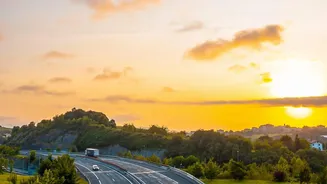
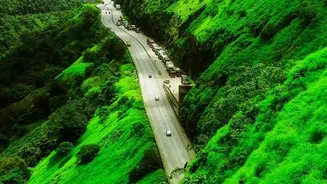
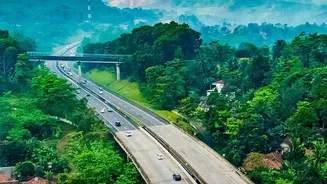
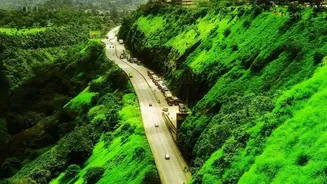
At the heart of this revolution is India's massive infrastructure push. The country's National Highway network has expanded by approximately 60% since 2014, growing from 91,287 km to over 1,46,195 km. This has dramatically improved connectivity to major tourist destinations. New arteries like the Delhi-Mumbai Expressway and the Delhi-Dehradun Expressway are game-changers, slashing travel times by hours. A journey that once took a full day can now be comfortably completed in a morning, transforming once-distant locations into viable weekend getaways. This improved infrastructure not only makes travel faster and safer but also encourages exploration of previously difficult-to-reach areas, boosting tourism in states with well-developed road networks.
Making the Most of Mini-Breaks
Complementing the new roads is a change in how Indians view their vacation time. The era of the single, long annual holiday is giving way to a culture of 'mini-vacations'. With multiple long weekends dotting the calendar, travellers are opting for shorter, more frequent trips. Data from travel platforms shows significant spikes in bookings around public holidays, with travellers using the extra day or two for quick escapes. This trend is particularly strong among young professionals in the 25-45 age group, who value these breaks to disconnect and recharge. Destinations like Lonavala from Mumbai, Jaipur from Delhi, and Mysuru from Bengaluru have become top picks for these short, driveable holidays.
Beyond the Metro-to-Metro Corridor
While routes between major metros like Mumbai-Pune and Delhi-Agra remain the busiest, the fastest growth is happening on regional routes. The improved highways are encouraging travel to Tier-2 cities and leisure destinations that were previously overlooked. Routes like Delhi to Dehradun and Chennai to Puducherry are seeing a surge in traffic, indicating a broader distribution of tourism. This dispersal has a powerful economic ripple effect, fostering growth for small businesses, homestays, and restaurants along these emerging travel corridors. It's a grassroots economic boost, powered by every car that stops for a meal or an overnight stay in a smaller town.
The New Indian Traveller
This road trip revolution is also a reflection of a new Indian consumer. With rising disposable incomes, the freedom to travel is more accessible than ever. The post-pandemic era amplified a desire for safe, private, and flexible travel options, which road trips perfectly provide. Furthermore, the younger generation, particularly Gen Z, is a significant driver of this trend. They favour solo journeys, offbeat locations, and the 'insta-worthy' experiences that road travel facilitates, often drawing inspiration from social media. This demographic prioritises adventure and authenticity over traditional luxury, and the open road is their ideal playground.