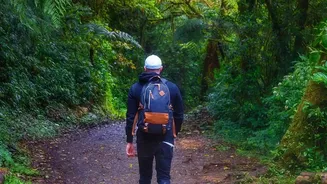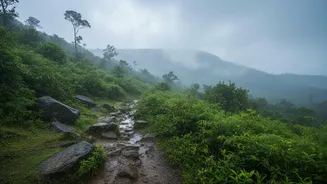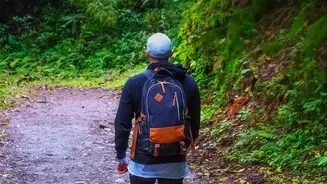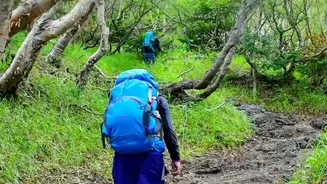





Prioritise Pre-Trek Planning
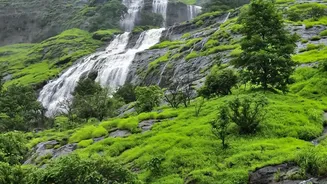
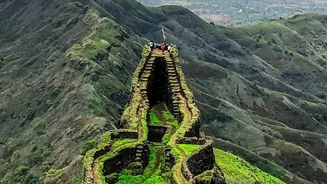
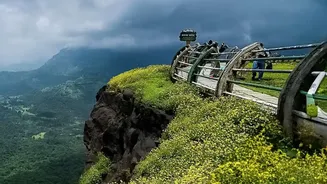
A successful monsoon trek begins before you even touch the trail. Research is your most critical tool. Not all trails are safe during the rains; some popular routes like Harishchandragad's Nalichi Vaat or sections of Harihar fort become dangerously slippery
or prone to flash floods. Opt for trails with gradual slopes and wider paths, especially if you are a beginner. Always check the latest weather forecasts from reliable sources like the India Meteorological Department (IMD). Inform a trusted contact of your itinerary and expected return time. If you are unfamiliar with the terrain, hiring a local guide is a wise investment. They possess invaluable knowledge of the local conditions, safe passages, and potential hazards that no map can provide.
Essential Monsoon Gear
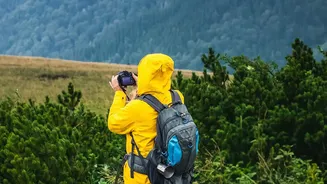
Your gear is your first line of defence against the elements. The single most important item is your footwear. Standard sports sneakers are dangerously inadequate on wet, mossy basalt rock, which is common in the Ghats. Invest in proper trekking shoes with deep grooves and excellent grip. Secondly, choose your rain protection wisely. A poncho is often recommended over a simple raincoat as it covers both you and your backpack, offering better ventilation. Pack quick-drying synthetic clothes and avoid cotton and denim, which absorb water and take ages to dry, increasing the risk of hypothermia. Keep electronics, a first-aid kit, and a spare set of dry clothes inside waterproof dry bags or zip-lock pouches within your main pack.
On-Trail Safety Rules
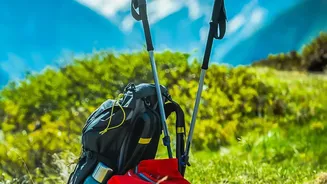
Once on the move, vigilance is key. Monsoon trails are notoriously slippery. Walk slowly, maintain your balance, and use a trekking pole for added stability. Always stick to the marked path to avoid getting lost and to prevent soil erosion. One of the biggest dangers is water crossings. Streams that are ankle-deep in other seasons can become raging torrents. Never attempt to cross a fast-flowing stream. If you are unsure, it's always better to wait or turn back. Be particularly cautious in narrow gullies, which can be susceptible to flash floods even if it isn't raining in your immediate location. Finally, be aware of the local wildlife. Leeches are common; wear full-length socks or anti-leech socks as a deterrent.
Principle 1: Plan Ahead and Prepare
Responsible trekking starts with good planning. This aligns perfectly with safety, but from a conservation perspective, it means knowing the regulations of the area you're visiting. Many parts of the Western Ghats now have a cap on the number of daily trekkers and require online booking to manage crowds and minimise environmental impact. Plan your meals to reduce waste, removing excess packaging at home and carrying reusable containers.
Principle 2: Travel and Camp on Durable Surfaces
The monsoon landscape is incredibly fragile. Stick to established trails to avoid trampling delicate vegetation. If you need to rest, find a spot on rock or dry ground rather than on soft moss or meadows. This helps prevent the creation of new, unofficial trails that scar the landscape and lead to erosion. This is especially important in high-traffic areas where the collective impact of many footsteps can cause significant damage.
Principle 3: Dispose of Waste Properly
This is the golden rule of outdoor ethics: Pack It In, Pack It Out. Whatever you bring with you must leave with you. This includes food wrappers, plastic bottles, and even biodegradable waste like fruit peels. In the cold, damp, high-altitude environment of the Ghats, even a banana peel can take years to decompose. Carry a dedicated bag for your trash and dispose of it in a proper bin once you are back in a town or city. Never bury your trash. For human waste, dig a cathole 6-8 inches deep at least 200 feet away from any water source, trail, or campsite.
Principle 4: Leave What You Find & Respect Wildlife
The natural beauty of the Ghats is for everyone to enjoy. Resist the temptation to pick flowers or collect stones as souvenirs. Observe wildlife from a distance and never feed them. Feeding wild animals can alter their natural behaviour and make them dependent on humans, which is detrimental to their survival. Keep your voice down and avoid playing loud music. Let the sounds of nature prevail, ensuring a peaceful experience for yourself, fellow trekkers, and the resident wildlife.