





The Unsung Heroes of Space
When we think of space exploration, the image of an astronaut often comes to mind. But for every human in space, there are dozens of robotic missions paving the way. Uncrewed missions are the workhorses of space exploration—they test technologies, gather
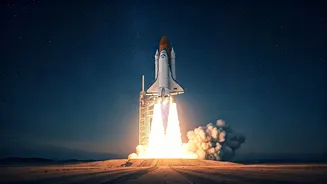
crucial data, and venture into environments far too dangerous for humans. ISRO's Gaganyaan programme, which aims to send Indian astronauts to space, is a perfect example. Before any human flies, a series of uncrewed test flights are essential. The first of these, the G1 mission, is planned for the latter half of 2026 and will carry a humanoid robot named Vyommitra to simulate human functions and test life support systems. These missions aren't just rehearsals; they are complex operations designed to ensure every system is perfect, from the launch vehicle's performance to the crew module's safe re-entry and recovery. They are the bedrock upon which the safety and success of future human spaceflight will be built.
India's Robotic Scientific Fleet
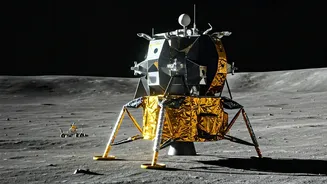
Beyond preparing for human missions, ISRO's robotic explorers are conducting groundbreaking science across the solar system. The Chandrayaan missions have revolutionized our understanding of the Moon, with Chandrayaan-1 discovering water molecules and Chandrayaan-3 achieving a historic landing on the lunar south pole. The upcoming Chandrayaan-4 mission is even more ambitious, aiming to collect lunar samples and return them to Earth, a feat only a handful of nations have accomplished. Meanwhile, the Aditya-L1 mission is providing an uninterrupted view of the Sun, helping scientists decode solar storms and space weather that can impact our technology on Earth. These missions aren't just about national pride; they generate invaluable scientific data, with ISRO making its findings accessible to researchers and students worldwide, fostering a new generation of scientists.
The Future is Your Frontier
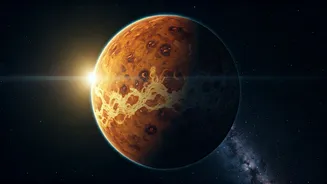
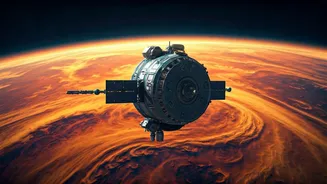
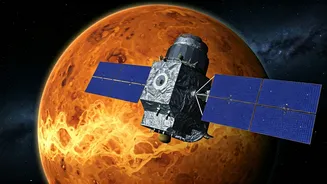
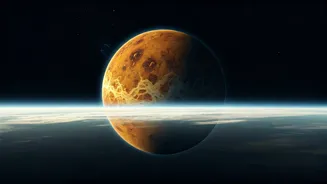
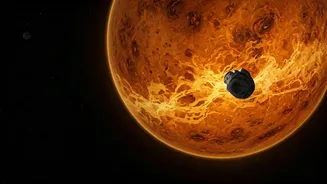
So, why should this matter to you? Because these missions are building the future, and that future is filled with opportunities. Every robotic mission pushes the boundaries of engineering, materials science, artificial intelligence, and robotics, creating a high-tech ecosystem in India. This directly translates into jobs—not just for scientists and engineers at ISRO, but for countless ancillary industries involved in manufacturing, data analysis, and software development. ISRO actively encourages youth participation through programmes like YUVIKA (YUva VIgyani KAryakram) and various student satellite initiatives. These programmes offer hands-on experience, allowing students to design and build their own satellites and payloads. By following these uncrewed missions, you are watching the birth of new career paths and getting a front-row seat to the industries that will define India's economy for decades to come. The skills being developed for a Venus orbiter or a Mars lander today will be the in-demand qualifications of tomorrow.
A New Kind of National Hero
For generations, national heroes were found on battlefields or cricket pitches. Today, they are also in the clean rooms and control centres of ISRO, designing the robots that represent India across the cosmos. The engineers who designed the Pragyan rover, the scientists interpreting data from Aditya-L1, and the technicians preparing for Chandrayaan-4 are expanding India's influence and capabilities on a global scale. These uncrewed missions are a testament to Indian innovation, frugality, and ambition. They prove that with talent and determination, India can achieve world-class feats in science and technology. Paying attention to these missions is about more than just appreciating science; it's about understanding the quiet, determined progress that is elevating the nation. These robotic explorers are our emissaries to the solar system, and their journey is a story of national achievement that every young Indian should follow with pride and excitement.