




Mastering Mobility: Your Ride Through the Mountains
Transportation is your biggest variable cost in Oman, but it’s also where smart planning pays off. While public transport between cities like Muscat and Nizwa is affordable via Mwasalat buses, reaching the rugged mountain areas requires a different strategy.
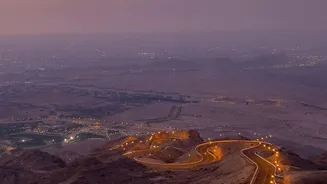
Renting a car is the most effective way to explore freely. For the paved roads of Jebel Akhdar, a standard sedan can work, but for the gravel tracks leading to the top of Jebel Shams, a 4x4 is highly recommended for safety and comfort. To slash costs, travel in a group of three or four and split the rental and fuel expenses. Sharing a 4x4 can bring the per-person daily vehicle cost down significantly. Booking your rental car well in advance online often secures better rates than last-minute arrangements. Fuel is relatively inexpensive, which is a major plus for a road trip-heavy itinerary.
Smart Stays: Accommodation Without the Splurge
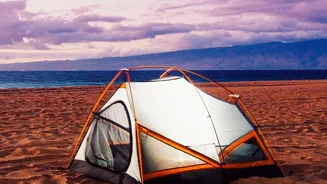
While Oman has its share of luxury resorts, budget-friendly options are plentiful if you know where to look. One of the best ways to save money and experience the country's natural beauty is by camping. Wild camping is legal and free in most mountain and desert areas outside of national parks. Pitching a tent near Jebel Shams to watch the sunrise over the 'Grand Canyon of Arabia' is an unforgettable experience that costs nothing. If camping isn't your style, look for budget guesthouses and hotel apartments in towns like Nizwa, which serve as a great base for exploring the mountains. Hostels are available in Muscat, and platforms like Couchsurfing are also active, offering a chance to connect with locals and stay for free. Travelling during the shoulder seasons (October-November or March-April) can also result in lower accommodation prices compared to the peak winter months.
Fueling Your Adventure: Eating Like a Local
You can eat very well in Oman without spending a fortune. The key is to avoid hotel restaurants and tourist-centric eateries where prices are inflated. Instead, seek out the numerous small coffee shops and canteens run by Indian and Pakistani expatriates, which can be found in almost every town. These places offer delicious and filling meals like biryani, curries, and shawarma for just a few Omani Rials. A full meal can cost as little as 1.5 OMR. For young Indian travellers, this offers both a taste of home and a huge relief for the wallet. You can enjoy a satisfying dinner for what a single coffee might cost in a tourist cafe. Supermarkets like Lulu also have food courts and sell groceries, fresh bread, and snacks, allowing you to prepare your own lunches for day trips.
The Best Things in Life (and Oman) Are Free
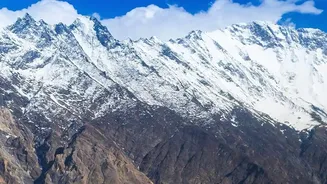
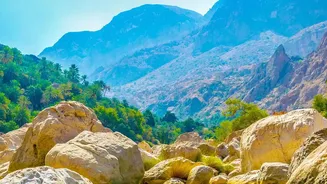
Oman's greatest asset is its stunning natural landscape, and most of it can be explored for free. The country's famous 'wadis'—riverbeds that form natural pools—are perfect for a refreshing swim and are almost always free to enter. The spectacular Jebel Shams Balcony Walk, a hike that offers breathtaking views into the canyon, costs nothing. Exploring traditional villages like Misfat Al Abriyeen, with its ancient falaj irrigation systems and terraced gardens, is another fantastic free activity. Many of the country’s historic forts have either free entry or a very nominal entrance fee of a few Rials. Instead of paying for expensive guided tours, a rented car and a good map can get you to most of these incredible sights independently, allowing you to soak in the views at your own pace.