




The Daily Commute: A Hidden Barrier
For a significant portion of India's urban female population, the journey to and from a potential workplace is fraught with challenges that go beyond traffic jams. According to the World Bank, 84% of work-related trips by women are made via public, intermediate,
or non-motorised transport. However, this reliance is coupled with pervasive safety concerns. Issues like poorly lit streets, long waits at desolate bus stops, and the risk of harassment can turn a simple commute into a daily ordeal. This 'mobility tax' forces many women to make difficult choices, such as rejecting better job opportunities that are further away, declining promotions that require working late, or leaving the workforce altogether. Studies show that limited access to safe transport is one of the single largest factors constraining women's economic participation in developing countries.
Connecting Safety and Economic Freedom
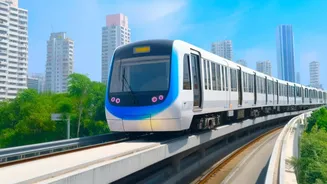
The link between safe transport and women's employment is direct and powerful. When a woman feels secure during her commute, her 'job radius'—the geographical area in which she can seek employment—expands dramatically. This is not just theoretical. In Delhi, the expansion of the Metro, with its dedicated women's coaches, CCTV surveillance, and visible security, has been hailed as a game-changer. Research shows that the opening of a new metro station is linked to a significant drop in reported sexual harassment crimes in the surrounding area, fostering a safer local environment. This enhanced sense of security empowers women to travel farther, work later, and access a wider array of educational and professional opportunities that were previously out of reach due to safety-related travel restrictions.
What Works: Security Measures in Action
Several top cities in India are implementing measures that directly address the safety concerns of female commuters. In Delhi, beyond the Metro's women-only coaches, the government introduced free bus travel for women, a policy aimed at increasing their access and presence in public spaces. Mumbai's iconic 'Ladies Special' local trains have long provided a secure travel option, and the city's BEST buses have a 'ladies-first' boarding policy. Other cities are leveraging technology and infrastructure, including improved lighting at bus stops, panic buttons in buses, and GPS tracking. The pan-India Nirbhaya Fund has also been instrumental in financing projects like CCTV cameras and emergency response systems across various public transport networks. These initiatives work because they create both a real and perceived sense of safety, which is crucial for encouraging ridership.
The Ripple Effect of a Safer Journey
The benefits of getting more women to work extend far beyond individual paycheques. When female labour force participation increases, it has a profound positive impact on the entire economy. A McKinsey report estimated that closing the gender gap in labour markets could add trillions to the global GDP. For India, increasing women's participation from its current low levels is a critical lever for growth. When women earn, they tend to invest more in their children's health and education, leading to stronger, healthier families and communities. Greater female ridership on public transport is thus a key social indicator; it signals improved well-being, greater independence for women, and a more equitable society.
The Road Ahead: Remaining Gaps
While progress has been made, the journey is far from over. A key challenge that remains is last-mile connectivity—the trip from the metro station or bus stop to the final destination. Many women report feeling unsafe walking through poorly lit or deserted stretches. Furthermore, a transport system is only truly gender-responsive when women are involved in its planning and operation. Increasing the number of female drivers, conductors, and transport officials can build trust and make the system more accountable to its users. Creating a truly seamless and safe transport network requires an integrated approach that combines infrastructure, technology, policy, and a commitment to changing social norms about women's presence in public spaces.