




Understand Your Balcony’s Sunlight
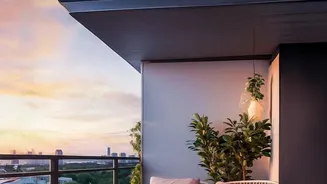
Before you buy a single plant, become a light expert for your specific balcony. The biggest mistake new gardeners make is mismatching a plant's needs with the available sun. Balcony light is different from garden light; it can be blocked by buildings
or overhangs. Spend a day observing your space. Note when direct sun first hits your balcony and for how long. A south-facing balcony might get over six hours of intense sun, perfect for sun-lovers like hibiscus and bougainvillea. An east-facing one gets gentler morning light, ideal for many foliage plants. A north-facing balcony might get no direct sun at all, making it suitable for shade-tolerant plants like snake plants and some ferns. Simply knowing your 'light pattern' is the first step to success.
Master the Art of Watering
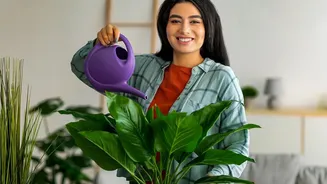
Overwatering is the most common reason container plants fail. Unlike plants in the ground, a pot has limited drainage. The golden rule is to check the soil before you water. Stick your finger about an inch or two into the soil. If it feels dry, it's time to water. If it's damp, wait another day. When you do water, do it thoroughly until water runs out of the drainage holes at the bottom of the pot. This encourages deep root growth. Always empty the saucer beneath the pot afterward to ensure the plant isn't sitting in standing water, which causes root rot. During hot spells, you may need to water daily, but in cooler weather, you can reduce the frequency significantly. A consistent routine of checking the soil is more effective than a rigid watering schedule.
Choose the Right Plants for Success
Set yourself up for success by choosing plants that are known to be resilient in Indian apartment conditions. For sunny balconies that receive several hours of direct light, consider colourful Bougainvillea, hardy Hibiscus, fragrant Mogra, or succulents like Aloe Vera and Jade Plant. These thrive in the heat. For balconies with less direct sun or bright, indirect light, Snake Plants are nearly indestructible and are excellent air purifiers. Money Plants (Pothos) are famously easy to grow and look great in hanging baskets. Spider Plants are also great for beginners, adapting well to various conditions. For a mix of utility and beauty, Tulsi is a must-have for many Indian homes, and it grows well in pots.
Soil, Pots, and Feeding Basics
Great plants start with good soil. Don't use heavy garden soil, which compacts easily in pots. Instead, buy a quality potting mix designed for containers. This mix is lighter and ensures better drainage and aeration for the roots. The pot itself is also important. Ensure every pot has drainage holes. Terracotta pots are porous and dry out faster, while plastic or glazed pots retain moisture longer. As for feeding, container plants have limited access to nutrients. You'll need to replenish them. A simple approach is to use a balanced liquid fertilizer every few weeks during the growing season (spring and summer), following the instructions on the package. This will provide the steady energy your plants need to produce lush leaves and vibrant flowers.
Simple Hacks for a Thriving Garden
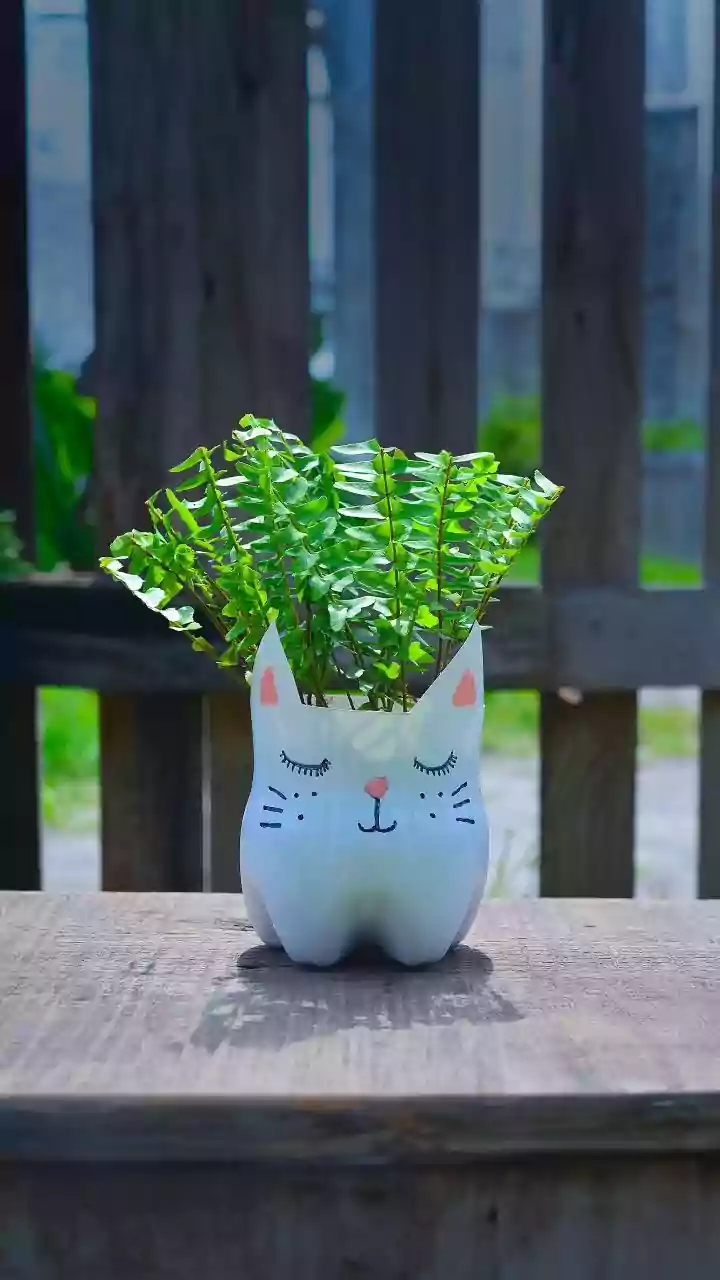
A few clever tricks can make plant care much easier. Group plants with similar light and water needs together. This simplifies your care routine. To retain moisture on hot days, you can add a layer of mulch (like coco chips) on top of the soil. For watering while you're away for a weekend, you can try a self-watering planter or a simple DIY drip system using an old plastic bottle with a small hole in the cap. Finally, make a habit of 'deadheading' or pinching off spent flowers. This encourages the plant to produce more blooms instead of putting energy into making seeds. Regularly wiping leaves with a damp cloth removes dust, helping the plant breathe and absorb more light.