






First, What Is Fractional Ownership?
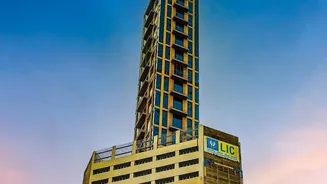
Fractional ownership is a model where a high-value property is divided into smaller, affordable shares. Instead of one person buying an entire office building, multiple investors can pool their money to collectively own it. Each person purchases a fraction
of the property and, in return, receives a proportional share of the rental income and any potential profit from the property's eventual sale. This approach, powered by modern technology platforms, turns a prohibitively expensive asset into an accessible investment.
Breaking Down the Price Barrier
The single biggest driver of demand is accessibility. Traditionally, investing in a Grade-A commercial asset in a major Indian city could require crores. Fractional ownership shatters this barrier, allowing individuals to invest with much smaller amounts. This democratisation of real estate opens the door for retail investors who were previously priced out, giving them a chance to own a piece of properties that were once the exclusive domain of institutional players.
The Search for Stable, Passive Income
In a volatile market, investors are constantly seeking stable returns. Commercial real estate, especially properties leased to reputable corporate tenants on long-term agreements, can provide a steady stream of passive rental income. For many retail investors juggling jobs and other responsibilities, the idea of earning monthly income without the hassles of direct property management is incredibly appealing. Professional management companies handle everything from tenant relations to maintenance, making it a hands-off investment.
A New Path to Diversification
Smart investing is all about not putting all your eggs in one basket. Fractional ownership allows retail investors to diversify their portfolios beyond traditional options like stocks, mutual funds, and gold. Real estate has a low correlation with the stock market, meaning it often behaves differently during economic shifts, providing a valuable hedge. Furthermore, investors can spread their capital across different types of commercial assets—like warehouses, office spaces, and retail centres—in various cities to further reduce risk.
Technology Makes It Simple
The rise of user-friendly digital platforms, or 'PropTech', has been a crucial catalyst. These online platforms handle the entire process, from shortlisting and vetting properties to managing legal paperwork and distributing returns. This technological layer adds a level of transparency and simplicity that builds investor confidence. With just a few clicks, an investor can review property details, examine financial projections, and make an investment from the comfort of their home, a process that was once complex and opaque.
A Hedge Against Inflation
Real estate has long been considered a reliable hedge against inflation. As the cost of living rises, so do property values and rental rates. Commercial lease agreements often include clauses that automatically increase rent over time, ensuring that the income generated keeps pace with inflation. This makes fractional ownership in a physical asset an attractive way for investors to protect the long-term purchasing power of their money, unlike cash savings which can be eroded by inflation.
Understanding the Risks
Despite its many advantages, fractional ownership is not without risk. The primary concern is liquidity; unlike stocks, you cannot sell your share instantly. Exiting an investment often depends on finding another buyer or waiting for the entire property to be sold. Other risks include market downturns affecting property values, tenants defaulting on rent, and reliance on the management platform's performance. It's crucial for investors to choose a trusted, regulated platform and understand the specific terms of their investment before committing capital.