





The Shocking Sugar Comparison
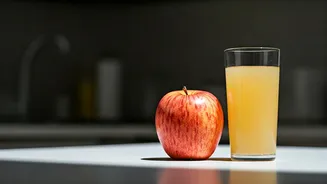
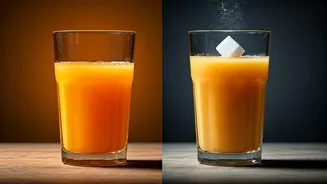
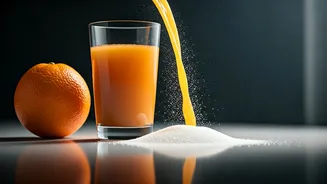
Let’s get straight to the point. A typical 250 ml glass of unsweetened apple juice contains around 24-26 grams of sugar. A similar-sized glass of orange juice has about 22 grams. Now, consider a can of cola – it contains roughly 27 grams of sugar. The
numbers are uncomfortably close. When we drink juice, we often consume the sugar from several pieces of fruit in a matter of seconds, without any of the natural barriers that would slow us down if we were eating them whole. This concentrated dose of sugar, often referred to by nutritionists as ‘free sugars’, is processed very quickly by our bodies, much like the sugar in sweetened beverages.
The Hero That Gets Left Behind: Fibre
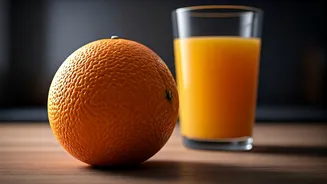
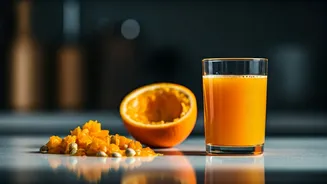
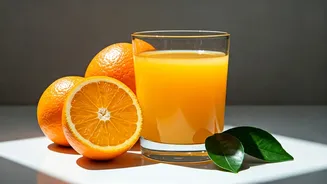
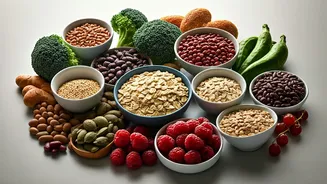
So, what makes eating an orange different from drinking its juice? The answer is fibre. When you eat a whole fruit, you consume its fibrous structure—the pulp and skin. This dietary fibre is a digestive superhero. It slows down the absorption of sugar into your bloodstream, preventing the sharp spikes in blood glucose levels that a glass of juice can cause. Fibre also helps you feel full, which naturally regulates how much you eat. A medium-sized orange has about 3 grams of fibre and around 12 grams of sugar. To make one glass of juice, you might need three or four oranges, meaning you get triple the sugar but almost none of the beneficial fibre, as it's typically discarded during the juicing process.
What Happens Inside Your Body?
When you drink juice, the sudden flood of fructose (fruit sugar) without fibre to slow it down goes straight to your liver. The liver is the only organ that can metabolise fructose in large amounts. When it’s overwhelmed, it converts the excess fructose into fat. Over time, consistently high consumption of free sugars has been linked to an increased risk of health issues like non-alcoholic fatty liver disease, insulin resistance, and weight gain. While a glass of juice now and then is not a problem, making it a daily habit under the assumption that it's a guilt-free health drink is where the trouble begins. Your body doesn’t distinguish between the sugar from a fruit juice and the sugar from a soda; it just sees a rush of sugar that needs to be processed.
But What About 'No Added Sugar' Juice?
Labels like "100% juice" or "no added sugar" can be misleading. While it’s true that manufacturers haven’t added extra table sugar or syrups, the juice is still packed with the naturally occurring sugars from the fruit itself. The process of concentrating fruit into juice means the final product is, by its very nature, a concentrated source of sugar. Similarly, while cold-pressed juices might retain more heat-sensitive vitamins than their pasteurised counterparts, they still suffer from the same fundamental problem: all of the sugar, none of the fibre. From a metabolic standpoint, the sugar impact remains largely the same.
A Smarter Way to Enjoy Your Fruit
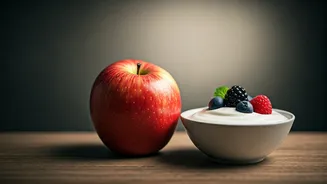
This isn’t about declaring war on juice. It’s about re-categorising it in your mind. Instead of thinking of it as a health drink or a substitute for a meal, treat it as an occasional indulgence, much like a dessert or a sweet treat. If you love the taste, consider a few simple strategies to make it healthier. Dilute it with an equal part of water or sparkling water to halve the sugar content per glass. Stick to a small serving—the Indian Council of Medical Research (ICMR) suggests a limit of 100-150 ml per day. Better yet, prioritise eating your fruits whole. You’ll get all the vitamins and minerals, plus the essential fibre that keeps your body happy and your blood sugar stable.