



Why Preparation is Crucial
Heavy rain and gusty winds pose a double threat to container gardens. The force of the rain can shred leaves and break delicate stems, while strong winds can topple even heavy pots, causing breakage and uprooting plants. Beyond the physical damage, the main
challenge is excess water. When pots become waterlogged, roots are deprived of oxygen, leading to root rot, fungal infections, and the tell-tale signs of yellowing leaves and a wilting plant despite moist soil. A few simple, proactive steps can safeguard your green companions, ensuring they not only survive the onslaught but continue to thrive.
Secure Your Potted Plants
The simplest way to protect your pots from being knocked over by wind is to create stability. Grouping several pots together in a corner or against a solid wall creates a heavier, more stable cluster that is less likely to be affected by gusts. You can place larger, heavier pots on the wind-facing side to act as a shield for smaller, more vulnerable ones. For an extra measure of security, especially for lightweight plastic pots, you can place a brick or heavy stone inside the pot at the bottom before adding soil. However, avoid pots that are taller than they are wide, as they are inherently less stable. Square or rectangular planters with a wide base are your best bet in windy locations.
Provide Support for Tall Stems
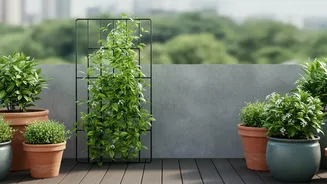
Tall and vining plants, like tomatoes, bougainvillaea, or money plants, are particularly susceptible to snapping in the wind and rain. Before the storms arrive, provide them with the support they need. You can use moss sticks, bamboo stakes, or small trellises inserted into the pot. Loosely tie the main stems to the support using soft twine or fabric ties, ensuring you don't bind them too tightly, which could restrict growth. For plants near a railing or wall, you can secure taller stems to the existing structure. It's also a good idea to prune any overgrown or weak branches to reduce the overall weight and wind resistance of the plant.
Safeguard Hanging Planters
Hanging planters are the most exposed to the elements. During a storm, they can swing violently, damaging the plant within or even breaking free from their hooks. The best course of action is to bring hanging baskets into a sheltered area, like a covered balcony or indoors, during periods of very heavy rain and wind. If moving them isn't feasible, ensure they are securely fastened. Use S-hooks that can be pinched closed or hooks with a safety latch. You can also try to lower them closer to the ground where the wind is less powerful. Pruning the plants in hanging baskets can also make them less top-heavy and less likely to be thrashed about by the wind.
Prioritise Drainage Above All
The most pervasive threat during the monsoon is waterlogging. Ensure every single one of your pots has clear, unobstructed drainage holes at the bottom. It is a common myth that adding a layer of gravel at the bottom improves drainage; in reality, it can cause water to collect just above the gravel layer, keeping the root zone wetter. Instead, focus on using a well-draining potting mix and making sure the holes are open. Elevating your pots on bricks or 'pot feet' allows excess water to escape freely and prevents the drainage holes from getting blocked. After a heavy downpour, always remember to empty any water that has collected in the saucers beneath the pots.