



The One-Reheat Rule
The straightforward answer, recommended by most food safety authorities like the Food Safety and Standards Authority of India (FSSAI) and the UK's Food Standards Agency (FSA), is to reheat cooked food only once. While it might be technically possible
to reheat food multiple times if done perfectly, the risk of bacterial growth increases with each cooling and heating cycle. Every time food cools down, it can pass through the 'danger zone' temperatures where bacteria multiply. Reheating again may not destroy all the toxins produced by these bacteria, which can cause food poisoning. For maximum safety, it's best practice to stick to a single reheat.
Why the Monsoon Is a High-Risk Season
The monsoon season's defining characteristics—high humidity and warm ambient temperatures—create the perfect environment for microbes to thrive. High moisture in the air can settle on surfaces and even on food, promoting the growth of bacteria, mould, and fungi. This means food left on the counter spoils much faster than in drier weather. The risk of contamination is higher, and bacteria can multiply rapidly on cooked food that isn't refrigerated promptly. This makes proper storage and reheating even more critical to prevent gastrointestinal infections and other foodborne illnesses.
Understanding the 'Temperature Danger Zone'
The 'danger zone' for food is the temperature range between 5°C and 60°C. Within this range, harmful bacteria can multiply quickly. When you leave leftovers on the counter to cool, they spend time in this zone. The goal is to minimise this time. Cooked food should be refrigerated within two hours of cooking. When you reheat, the aim is to get the food hot enough to kill any bacteria that may have started to grow. Simply warming the food up is not enough; it must be steaming hot all the way through, reaching an internal temperature of at least 74°C-75°C.
Best Practices for Storing Leftovers
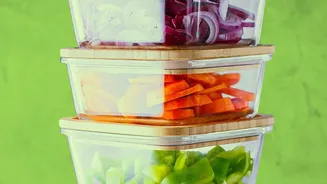
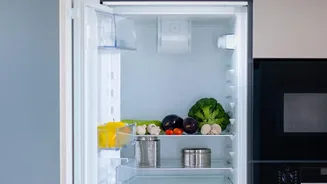
Proper storage is the first line of defence. To keep your leftovers safe, cool them as quickly as possible—ideally within two hours. To speed up cooling, divide large portions of dal, curry, or rice into smaller, shallow containers before putting them in the fridge. Always use airtight containers to prevent moisture and cross-contamination from raw foods. FSSAI specifically advises against mixing freshly cooked food with leftovers in the same container before storage or reheating. If you have a lot of food, reheat only the portion you plan to eat, keeping the rest safely chilled.
The Right Way to Reheat Your Food
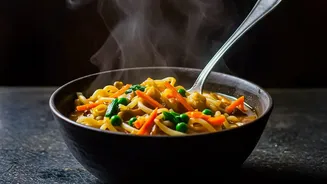
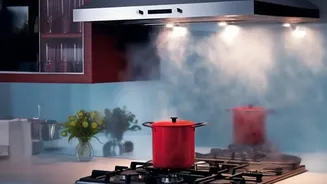
Whether you're using a microwave or a stovetop, the key is to ensure the food becomes steaming hot throughout. For liquids like soups and gravies, bringing them to a rolling boil is a good indicator. If using a microwave, cover the food to retain moisture and ensure even heating, stirring it midway through the process. Using a food thermometer to check that the internal temperature reaches at least 74°C is the most reliable method to ensure safety. Never use slow cookers or other appliances designed just to keep food warm for reheating, as they may not get the food hot enough, quickly enough.
Foods That Require Extra Caution
While all leftovers carry some risk if handled improperly, some foods are more susceptible than others. Cooked rice is a primary concern because it can contain spores of a bacterium called Bacillus cereus, which can survive initial cooking. If rice is left at room temperature, these spores can germinate and produce toxins that are not destroyed by reheating. For this reason, rice should be cooled quickly and only reheated once. Other high-risk foods include poultry, eggs, seafood, and dairy-based dishes, all of which provide a rich environment for bacterial growth if not stored and reheated correctly.