



The Elephant in the Room: Fossil Fuels
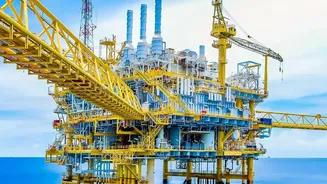
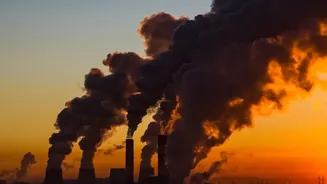
The main sticking point that ultimately derailed the talks was the language surrounding fossil fuels. A draft agreement proposed by the Turkish and Australian co-presidency contained no direct mention of phasing out or even transitioning away from coal,
oil, and gas, the primary drivers of global warming. This omission was seen as a major step backward by many nations. The European Union, alongside a coalition of climate-vulnerable countries including small island states, formally objected, stating it was 'unconscionable' to have a climate pact that ignores the root cause of the crisis. On the other side, petrostates like Saudi Arabia and Russia reportedly worked to keep any mention of fossil fuels out of the final text. This fundamental disagreement created an unbridgeable divide, leading to the first collapse of UN climate talks in over a decade.
Money Talks: The Unresolved Finance Debate
Beyond fossil fuels, the perennial issue of climate finance was a major point of contention. Developing nations arrived at COP31 demanding that wealthy, industrialised countries honour their financial commitments to help them adapt to climate impacts and fund the transition to clean energy. Specifically, there was a push to secure concrete plans for tripling adaptation financing to $120 billion by 2035 and to increase contributions to the 'loss and damage' fund, which compensates vulnerable nations for unavoidable climate-fueled disasters. However, many developing countries and activists reported that wealthy nations, including the EU, blocked progress on these financial discussions. The final draft texts offered little in the way of firm financial commitments, leaving developing countries feeling that the financial burden of the climate crisis was not being shared equitably.
India’s Stand: A Call for Equity and Justice
Throughout the negotiations, India forcefully argued for 'climate justice' and the principle of 'common but differentiated responsibilities'. The Indian delegation, led by the environment minister, insisted that developed nations must acknowledge their historical responsibility for the vast majority of emissions and therefore take the lead in both cutting emissions and providing finance. India's position was that developing nations need a fair share of the remaining 'carbon budget' to pursue their development goals and lift millions out of poverty. New Delhi also opposed unilateral trade measures linked to climate, such as the EU's Carbon Border Adjustment Mechanism (CBAM), arguing they unfairly penalise developing economies. While India did not formally object to the final draft text, it expressed disappointment at the overall failure, aligning with the African Group in a desire to build multilateralism rather than walk away from it.
A 'No Deal' Is Better Than a Bad Deal?
While the collapse is being widely described as a failure, some negotiators and activists are framing it as a necessary stand against a weak agreement. The logic is that accepting a deal that didn't mention fossil fuels would have been a step backward from the agreement at COP28 in Dubai, which called for a 'transition away' from them. Some saw it as a courageous decision to reject a text that would have essentially given a free pass to polluters. However, the lack of consensus means there is no new global agreement on crucial issues like climate disaster financing for the hardest-hit countries. This leaves vulnerable communities without the support they urgently need as climate impacts intensify.