







Beyond the Daily Update
Most of us are familiar with the daily weather forecast, which tells us if we need to carry an umbrella tomorrow. But for planning anything more than a few days out, this short-term view is not enough. This is where seasonal and sub-seasonal forecasts
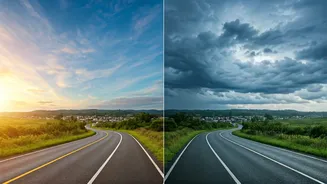
come in. Unlike a daily forecast that predicts specific conditions for a particular day, a seasonal forecast gives you the bigger picture. It predicts average weather conditions—like temperature and rainfall—over a period of several weeks to a few months. Think of it less as a precise daily schedule and more as a guide to the general mood of the upcoming season. Is the monsoon likely to be heavier than usual? Is a heatwave more probable next month? This is the kind of strategic information that can elevate your planning from a simple guess to an informed decision.
How Does Long-Range Forecasting Work?
You might wonder how anyone can predict weather months in advance when even a three-day forecast can sometimes go awry. Long-range predictions aren't magic; they are based on complex climate models that look at large-scale, slow-moving elements of the climate system. Forecasters at agencies like the India Meteorological Department (IMD) analyse vast amounts of data, including ocean surface temperatures and global atmospheric patterns like El Niño or La Niña, which are known to influence weather around the world, including the Indian monsoon. A seasonal forecast won't tell you if it will rain on a specific Saturday in August, but it will tell you the probability of that month being wetter or drier than normal. It's about likelihoods, not certainties, which gives you a powerful edge for planning.
The Indian Context: Monsoon and More
In India, the weather is a huge part of life, dictating everything from agriculture to travel. The IMD, India's main agency for weather forecasting, provides crucial long-range forecasts for the country's distinct seasons. This includes the all-important Southwest Monsoon, which brings the bulk of India's annual rainfall between June and September. The IMD releases detailed forecasts predicting the onset of the monsoon and the expected rainfall distribution across the country. Beyond the monsoon, it issues outlooks for summer heatwaves, winter cold waves, and the Northeast Monsoon, which affects parts of southern India later in the year. Recently, private forecasters like Skymet have also become valuable sources, providing additional insights and localised data for consumers and businesses alike.
From Forecast to Smart Decisions
So, how do you translate this information into avoiding a disastrous weekend? Imagine you're planning a trek in the Western Ghats in July. A quick look at a sub-seasonal forecast might show a high probability of 'above normal' rainfall for the next few weeks, prompting you to either pack professional rain gear or perhaps postpone the trip. Planning a large outdoor wedding in Rajasthan in May? A seasonal forecast indicating a higher-than-usual chance of extreme heatwaves could influence your decision to book an indoor, air-conditioned venue as a backup. Even smaller decisions benefit. If forecasts suggest a delayed but intense start to the monsoon, you might prioritise pre-monsoon home repairs. It's about using probabilistic information to manage risk and make smarter choices for your time and money.
Where to Find and Use These Forecasts
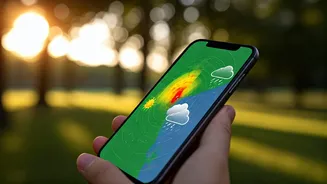
Accessing this information is easier than you think. The India Meteorological Department's website, mausam.imd.gov.in, is the primary source for official seasonal forecasts. Look for press releases and reports under the 'Seasonal Forecast' section. Private weather companies like Skymet Weather and others also have user-friendly websites and apps. When you look at these forecasts, remember you're dealing with probabilities. A 45% chance of an 'above normal' monsoon doesn't make it a certainty, but it does mean it's more likely than a 'normal' or 'below normal' season. Over time, using these forecasts to guide your long-term plans can lead to far fewer weather-related disappointments and a lot more well-planned fun.