







The Fund We're Talking About
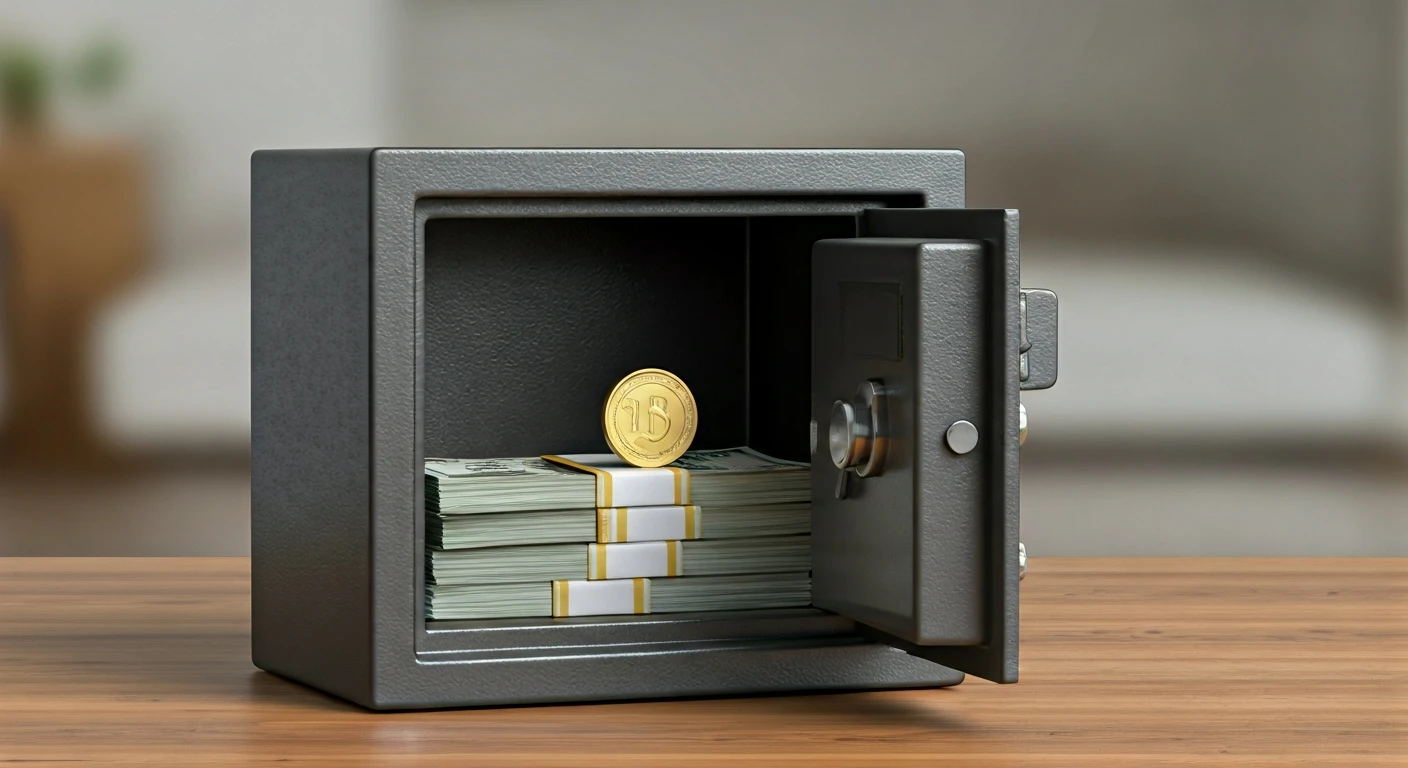
Let’s be direct: the fund we’re talking about is an emergency fund. It’s not an investment to make you rich. It’s not a piggy bank for your next vacation. It is a dedicated pool of money set aside for one purpose only: to cover your essential living expenses
during a personal financial crisis. Think of it as your financial self-defence. This isn't 'extra' money; it is arguably the most important money you will ever save. Its job is to protect your long-term financial goals—like your retirement savings or your children’s education fund—from being derailed by short-term emergencies. Without it, a single unexpected event could force you to sell investments at a loss, take on high-interest debt, or borrow from family, creating a cycle of financial stress.
Why 'Later' Becomes 'Too Late'
Procrastination is human. We think a crisis won’t happen to us, or we feel we don’t earn enough to save. But consider the reality. A sudden job loss in today’s volatile market, an urgent medical procedure not fully covered by insurance, a critical home repair like a collapsed roof, or an unexpected family need from out of town—these are not rare events. When they happen, the absence of a financial cushion turns a manageable problem into a full-blown catastrophe. The stress isn't just financial; it's emotional, affecting your health, relationships, and decision-making. Building this fund when your income is stable and life is calm is an act of kindness to your future self. It replaces panic with a plan, allowing you to navigate difficult times with dignity and control.
The Magic Number: How Much?
The standard rule of thumb is to have three to six months' worth of essential living expenses saved. But what does that mean for you? Start by calculating your 'survival budget'. This includes only the non-negotiables: your rent or EMI, utility bills, groceries, loan payments, insurance premiums, and transportation costs. Exclude discretionary spending like dining out, entertainment, and shopping. If you have a stable, salaried job, three months might be adequate. If you are a freelancer, a gig worker, or run your own business with fluctuating income, aiming for six months (or even more) provides a much safer buffer. The goal is to have enough to keep your head above water without having to make desperate choices while you find a new job or wait for your income to stabilise.
Where to Keep Your Emergency Fund
The two most important features of an emergency fund are safety and liquidity. This means the money must be protected from market risk and easily accessible at a moment's notice. Investing it in stocks or equity mutual funds is a huge mistake, as you might be forced to sell during a market downturn, losing a significant portion of your capital right when you need it most. Here are the best places to park your fund: 1. **High-Yield Savings Account:** It's completely safe and instantly accessible. Look for an account separate from your primary spending account to reduce the temptation to dip into it. 2. **Liquid Mutual Funds:** These funds invest in very short-term debt instruments and offer higher returns than a standard savings account. They are highly liquid, with money usually available in one business day (T+1). They carry very low risk but are not entirely risk-free. 3. **Short-Term Fixed Deposits (FDs):** You can break an FD in an emergency. Consider a 'sweep-in' facility that links your savings account to an FD, offering higher returns with high liquidity. You can also 'ladder' FDs by creating multiple smaller deposits with different maturity dates.
How to Start Building, Today
The thought of saving six months of expenses can be daunting. Don't let it paralyze you. The key is to start small and be consistent. * **Start with a small, achievable goal.** Aim for ₹5,000 or ₹10,000. Reaching that first milestone builds momentum. * **Automate your savings.** Set up a standing instruction or SIP to transfer a fixed amount from your salary account to your emergency fund account every month. Even ₹1,000 a month is a start. Treat it like any other essential bill. * **Direct any windfalls.** Received a bonus, a tax refund, or some gift money? Direct a significant portion of it straight into your emergency fund to accelerate its growth. * **Track your progress.** Watching the fund grow is a powerful motivator. It’s a tangible representation of your growing financial security.