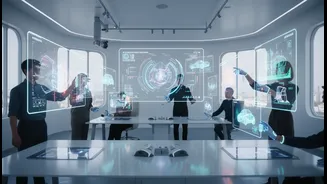








The Allure of the Automated Experience
Hotels are in a technological arms race. From keyless entry via smartphone apps to voice-activated room controls and AI chatbots handling booking queries, the push is for efficiency and seamless convenience. For many travelers, these features are no longer
perks but expectations. A 2025 survey noted that over half of travelers want contactless processes to be permanent fixtures. The appeal for hoteliers is clear: automation can streamline operations, reduce tedious workloads for staff, and offer personalized experiences at scale. Technology, when it works, promises a frictionless journey from booking to checkout, freeing up staff from repetitive tasks and allowing them to focus elsewhere.
When a Smart Room Gets Dumb
The problem is, technology isn't always smart. For every guest who breezes into their room with a digital key, there's another one locked out at 2 a.m. because an app has failed. The promise of a high-tech stay can quickly sour when faced with patchy Wi-Fi, a TV that requires an engineering degree to operate, or a robotic concierge that can't understand a simple request. These aren't just minor annoyances; studies show they have a significant negative impact on guest satisfaction, leading to frustration and poor reviews. A single technological failure, from a mistaken credit card charge due to a system error to a faulty room lock, can derail an entire stay, no matter how good the other service elements are.
The Human Algorithm: Service Recovery
This is where the human backup becomes critical. When technology fails, the hotel’s response is what a guest truly remembers. This process, known as service recovery, is the set of actions taken to fix a problem and address a guest's frustration. A machine can't offer a sincere apology, and an algorithm can't show empathy. The most valuable part of a hotel's 'system' is a well-trained, empowered employee who can solve the guest's actual problem—not just the technical one. This could mean offering a complimentary drink, immediately moving the guest to an upgraded room, or simply listening with understanding. These actions turn a moment of failure into an opportunity to build loyalty, demonstrating that the hotel values its guests beyond the efficiency of its systems.
Designing for Failure, Not Just Success
The most forward-thinking hotels understand that technology will inevitably have issues. Instead of just hoping for the best, they design their operations with failure in mind. This means not just investing in new tech, but also in extensive staff training to manage, troubleshoot, and override these new systems when necessary. A major reason technology projects fail to deliver results is a lack of staff preparedness. The best strategy involves a 'co-pilot' approach, where AI and automated systems handle routine tasks, but humans are trained as 'guest experience curators' who can step in for complex or emotional situations. The goal isn't to replace humans but to augment their abilities, freeing them from bottlenecks to provide high-value, personal interactions.
The Bionic Concierge of Tomorrow
The future of hospitality isn’t a choice between high-tech and high-touch; it’s a deliberate integration of both. As technology handles more of the predictable, repetitive tasks—like answering questions about breakfast hours or Wi-Fi passwords—it frees up human staff to deliver the empathy, cultural intuition, and creative problem-solving that machines cannot replicate. Senior roles that require judgment and guest relations expertise are becoming even more valuable. The true reliability of a hotel's technology, therefore, isn't measured by its uptime or feature list. It's measured by the seamlessness of its human backup, creating a system where technology provides convenience, and people provide the hospitality.