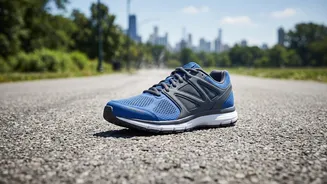







For many, exercising outdoors is the perfect way to stay fit and connect with nature. But as air quality fluctuates, that simple run or walk can pose hidden risks. A smart, flexible approach is key to protecting your health.
Why Poor Air Quality and Exercise Don't Mix
When you exercise, your breathing
rate and depth increase significantly. You might inhale up to 90 litres of air per minute during a high-intensity workout, compared to just six litres at rest. This means you're also inhaling a much larger volume of any harmful pollutants present in the air, such as fine particulate matter (PM2.5) and ozone. These pollutants don't just stop at your lungs; they can enter your bloodstream, triggering inflammation and putting extra strain on your cardiovascular system. While a sedentary person's nasal passages can filter some particles, heavy breathing during exercise often involves mouth-breathing, which is less effective at filtration, allowing more pollutants to penetrate deep into your lungs. This can lead to reduced lung function, increased heart rate and blood pressure, and a feeling of fatigue that can make your workout feel much harder than it should.
Understanding the Air Quality Index (AQI)
Your most important tool for safe outdoor exercise is the Air Quality Index, or AQI. This system, used by government agencies across India, translates complex pollution data into a single number and a corresponding colour-coded category. A lower AQI number means cleaner air. India's National Air Quality Index is typically broken into six categories: Good (0–50), Satisfactory (51–100), Moderately Polluted (101–200), Poor (201–300), Very Poor (301–400), and Severe (401–500). Each level comes with general health advice, helping you understand the potential impact, especially for sensitive groups like children, the elderly, and those with existing heart or lung conditions.
Your Guide to Exercising at Different AQI Levels
There's no single AQI number that is unsafe for everyone, as it depends on your health, the duration of your workout, and its intensity. However, general guidelines can help you make smarter decisions. When the AQI is 'Good' (0-50), it's safe for everyone to exercise outdoors. In the 'Satisfactory' range (51-100), most people can exercise normally, but individuals who are unusually sensitive might feel minor effects. Once the AQI moves into 'Moderately Polluted' (101-200), it's time to start adapting. Those with asthma or heart conditions should consider moving indoors or reducing the intensity and duration of their outdoor workouts. When the reading is 'Poor' (201-300) or higher, everyone should avoid strenuous and prolonged outdoor exertion. At these levels, the health risks can begin to outweigh the benefits of exercise.
How to Adapt Your Outdoor Routine
Being strategic is key. Always check a real_time AQI app before you head out. Timing matters, but the 'best' time can vary. In many Indian cities, pollution from overnight temperature inversions and morning traffic can make early morning air surprisingly poor; conditions often improve by late morning or early afternoon before worsening again in the evening. Location is just as crucial. Choose parks and green spaces over busy roads. Studies show that moving even a few metres away from direct traffic can significantly reduce your exposure to pollutants. On days with moderate air quality, consider scaling back your workout. Opt for a brisk walk instead of a long run, or shorten your session. If you must exercise in moderately polluted air, wearing a well_fitted N95 mask can offer a layer of protection, though it may make breathing more difficult during intense activity.
Smart Indoor Alternatives
On days when the AQI is high, the safest choice is to take your workout indoors. This doesn't mean you have to be sedentary. A home workout can be just as effective. Bodyweight circuits involving exercises like squats, push_ups, and lunges provide an excellent full_body challenge. Yoga and pranayama can improve strength, flexibility, and even lung capacity. If you have access to a gym, a treadmill, or a stationary bike, you can maintain your cardio fitness in a controlled environment. Other great indoor options include skipping rope, stair climbing, or trying a high_intensity interval training (HIIT) routine.