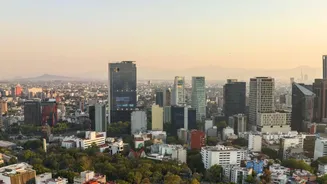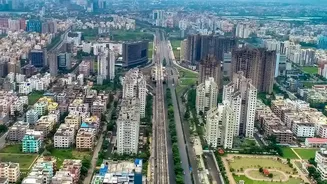






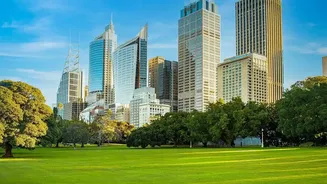

In the heart of India’s bustling, concrete-laden metropolises, a quiet revolution is taking root. Cities are finding ingenious ways to carve out green sanctuaries from the most unexpected places, signalling a vital shift in urban planning.
A New Urban Philosophy
For decades,
the story of Indian urbanisation has been one of relentless expansion, with concrete and asphalt steadily consuming open land. However, a growing awareness of the downsides—choking pollution, the urban heat island effect, and a decline in public well-being—is forcing a rethink. Major cities are now beginning to treat green space not as a luxury, but as essential infrastructure. This new philosophy involves more than just planting trees; it's about reclaiming forgotten or underutilised parcels of land and transforming them into vibrant, accessible public parks. The goal is to improve the quality of life for millions by creating 'lungs' for the city.
Mumbai's Makeover Beneath the Concrete
Perhaps no project captures this new spirit better than Mumbai's 'One Green Mile'. In a city famously starved of open space, architects and planners looked to the neglected land beneath the towering Senapati Bapat Marg flyover. This once-derelict 1.8-kilometre stretch, previously a zone of noise and shadow, has been transformed into a linear park. It now features dedicated cycling tracks, landscaped walkways, art installations, and community spaces like play areas and an amphitheatre. The project, a collaboration between StudioPOD and Dutch firm MVRDV, serves as a powerful template for how infrastructure can yield a second dividend: usable, green public ground. It's a model of adaptive reuse, turning a symbol of urban congestion into a thriving community hub.
Delhi's Drive for Denser Greens
India's capital is tackling its green deficit with a focus on creating dense urban forests. The Delhi government recently announced a plan to convert 15 patches of vacant land, totalling over 177 acres, into 'Namo Vans'. This initiative goes alongside the development of Miyawaki forests, a Japanese technique that involves planting native species closely together to create dense, fast-growing ecosystems. These forests are projected to be 30 times denser than conventional plantations. The Delhi Development Authority (DDA) is also undertaking a massive afforestation drive, aiming to plant nearly 23 lakh native saplings across parks, biodiversity zones, and the city's ridge areas. These initiatives are designed not just to beautify the city, but to serve as natural lungs, combatting air pollution, recharging groundwater, and mitigating extreme heat.
Chennai and Bengaluru Follow Suit
The trend is gaining momentum across the country. In Chennai, the Greater Chennai Corporation has launched an ambitious plan to develop 36 new parks and 11 playgrounds as part of the Chief Minister's Integrated Urban Development Mission. The projects are strategically located in newly added city zones and even include spaces beneath bridges, demonstrating a commitment to utilising every available patch of land. Meanwhile, Bengaluru is leveraging citizen participation to identify and revitalise underused public spaces. The 'Revitalising Public Spaces' initiative has created a repository of 194 sites nominated by residents for upgrades. In a recent campaign, the space beneath Bengaluru's busy Silk Board Junction flyover was marked for transformation into a public area with seating, lighting, and recreational facilities like a throwball court.
The Benefits Beyond Greenery
These new urban parks offer far more than just aesthetic improvement. They are critical tools for improving public health, providing residents with spaces for physical activity and social interaction, which can reduce stress and enhance mental well-being. Environmentally, they help mitigate the urban heat island effect, improve air quality by filtering pollutants, support biodiversity, and aid in stormwater management. Furthermore, these spaces foster a sense of community and belonging, transforming anonymous urban areas into lively neighbourhoods where people can connect. As community groups and local governments increasingly collaborate, these parks become a testament to shared civic responsibility.
Hurdles on the Path to Greener Cities
Despite the progress, significant challenges remain. Rapid urbanisation continues to put immense pressure on land, which is both scarce and expensive in Indian metros. Many projects face administrative hurdles, funding constraints, and questions around longterm maintenance. Ensuring these spaces are truly inclusive and accessible to all, including people with disabilities, is another critical challenge that requires thoughtful design and planning. Moreover, the responsibility for creating and maintaining these spaces cannot fall solely on citizen initiatives; sustained institutional support from local governments is crucial for these green transformations to succeed and endure.