

What Exactly Is Premium Economy?
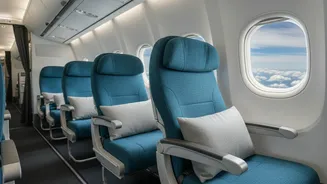
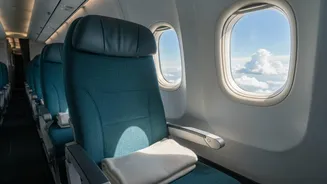
Think of Premium Economy as a significant step up from standard Economy, designed as a sweet spot between comfort and cost. It's more than just an 'extra legroom' seat. This class typically features a separate, smaller cabin, creating a quieter and more exclusive
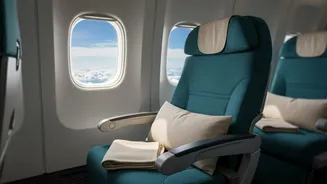
environment. The seats themselves are the main draw; they are generally wider than economy seats, offer several more inches of legroom, and have a deeper recline, often with the addition of a leg rest or footrest. The experience is enhanced with perks like priority check-in and boarding, an increased baggage allowance, and an upgraded meal service, often served on proper tableware.
The Key Differences: Comfort and Perks
The primary benefit of flying Premium Economy is personal space. In a standard long-haul economy cabin with a 3-4-3 seat layout, Premium Economy might offer a more spacious 2-4-2 configuration. This means fewer seats per row and wider armrests. The industry standard seat pitch (the distance between your seat and the one in front) is around 38 inches, compared to 31-32 inches in economy, making a noticeable difference in comfort. Beyond the seat, you'll often get a larger personal entertainment screen, noise-reducing headphones, and an amenity kit with essentials like socks, an eye mask, and a toothbrush, which are usually reserved for longer flights.
The Long-Haul Value Proposition
This is where Premium Economy truly shines. On flights stretching over eight hours, such as routes from India to North America, Europe, or Australia, the value proposition is strongest. The ability to recline further and stretch out can be the difference between arriving exhausted and arriving relatively refreshed. For overnight flights, the enhanced comfort significantly improves your chances of getting meaningful sleep. The cumulative effect of a quieter cabin, better food, and more space can drastically reduce travel fatigue and help you combat jet lag more effectively, making it a worthy investment for both leisure and business travellers.
The Short-Haul Calculation
The math changes for shorter journeys. For domestic flights within India or short international hops under four hours, justifying the extra cost for Premium Economy can be difficult. While airlines like Air India are now rolling out three-class cabins on domestic routes, the benefits are experienced for a much shorter duration. Vistara, which pioneered the concept in India, set a precedent, but the added comfort for a two-hour flight might not feel substantial enough for the price jump, which can be thousands of rupees. The upgrade may only be worth it for taller passengers who need the legroom or if a special deal makes the price difference minimal.
Decoding the Price Difference
The cost of upgrading is not trivial. Premium Economy tickets can often be 50% to 100% more expensive than an economy fare, and sometimes even more depending on the route and demand. Prices fluctuate wildly, so it pays to compare. While it’s significantly cheaper than business class, it's still a considerable expense. The decision ultimately comes down to a personal cost-benefit analysis. Are you paying for a few hours of slightly more comfortable seating, or are you investing in better sleep and well-being on an ultra-long-haul journey? The high demand and small cabin sizes often keep these fares elevated.