





Choose Your Shell Wisely
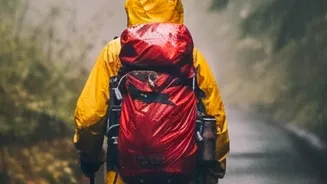
Your most important decision is your rain jacket. Forget bulky, insulated coats. Your goal is a lightweight, packable, and truly waterproof 'shell' jacket. Look for materials like Gore-Tex Paclite or other proprietary fabrics that offer high water resistance
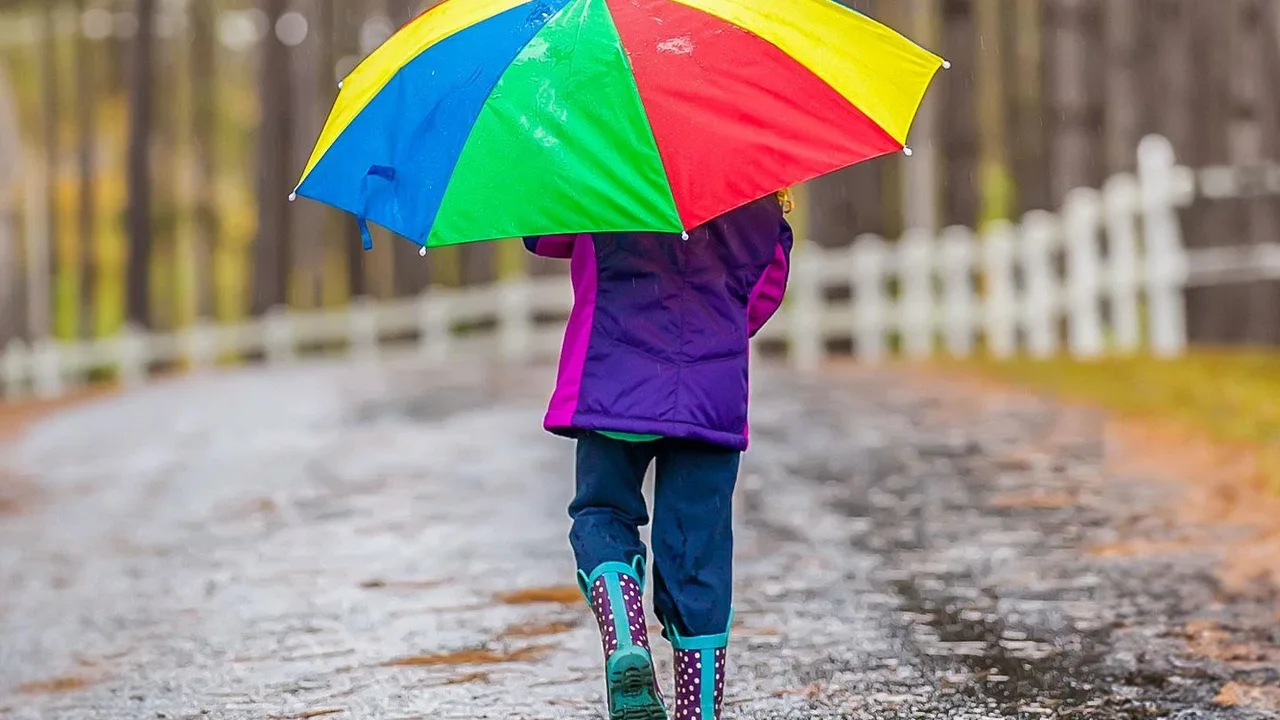
without the weight. A good shell jacket can be compressed to the size of an apple and weigh under 300 grams, saving you critical space and weight. It also acts as a windbreaker. An umbrella is a poor substitute; it's useless in wind and keeps one hand occupied, whereas a jacket provides full protection for you and the small backpack you might be carrying.
Fabric Is Everything
When it rains, humidity is your enemy, especially in a tropical climate. Cotton and denim are the worst offenders; once they get wet, they stay wet for days and become heavy. Instead, build your wardrobe around quick-drying synthetic fabrics like polyester and nylon, or natural wonders like merino wool. These materials wick moisture away from your skin and will air dry overnight in a hotel room, even in damp conditions. This means you can pack fewer items and wash them on the go. Four to five tops and two pairs of trousers made from these fabrics are all you need.
Embrace a Multi-Purpose Wardrobe
Every item in your bag must earn its place. The golden rule is that if an item doesn’t serve at least two purposes, it probably shouldn't be packed. A stylish pair of dark, quick-dry trousers can work for a day of sightseeing and a nice dinner. A versatile scarf or sarong can be an extra layer on a cold flight, a head covering, or even a towel in a pinch. This philosophy prevents you from packing 'just in case' outfits that rarely get worn but take up precious space and add weight.
Master the Art of the Pack
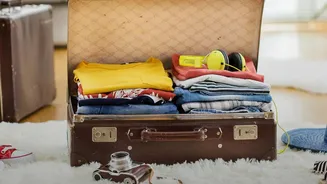
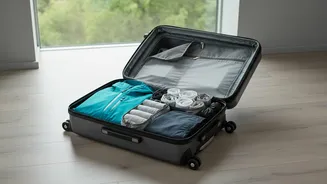
How you pack is as important as what you pack. Rolling your clothes instead of folding them is a classic space-saving trick. Rolled items can be squeezed into the nooks and crannies of your bag more effectively. For ultimate organisation and compression, use packing cubes. These small pouches not only compartmentalise your luggage but also compress your clothes, forcing out excess air. Another crucial tip is to utilise unused space; stuff socks, chargers, and other small items inside your shoes to make every square centimetre count.
Be Ruthless with Footwear and Toiletries
Shoes are notoriously bulky and heavy. For a seven-day trip, you need a maximum of two pairs. Wear the heaviest, sturdiest pair on the plane—this might be a pair of waterproof trail runners or comfortable boots. The second pair in your bag should be lightweight, versatile, and able to handle getting wet, like waterproof sandals or loafers. For toiletries, ditch the full-size bottles. Decant your liquids into reusable 100ml bottles to comply with airline rules and save a surprising amount of weight. Or, even better, switch to solid toiletries like shampoo bars, conditioner bars, and toothpaste tablets, which are lighter and not subject to liquid restrictions.
Protect Your Valuables
Even the best waterproof bag can have vulnerabilities, especially around zippers. For critical items like your passport, phone, and power bank, an extra layer of protection is essential. A simple zip-lock bag can work, but for better security, invest in a lightweight roll-top dry bag. These are designed to be fully waterproof and give you peace of mind that your electronics and documents will stay bone dry, even if your main bag gets soaked in a sudden downpour. Consider a hard-shell cabin case over a soft backpack for better inherent water resistance.