



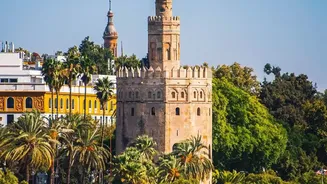
Spain has long been a titan of tourism, famed for sun-drenched coasts and architectural marvels. But a change is in the air. Travellers and locals alike are starting to question the model of mass tourism, looking beyond the usual bucket list.
The Price of Popularity
Cities like
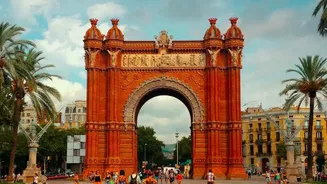
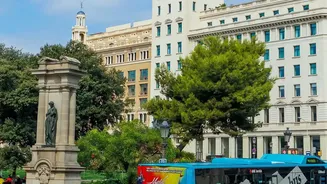
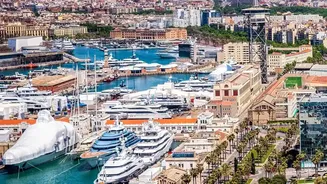
Barcelona and islands like Mallorca and Ibiza have become victims of their own success. For years, residents have voiced frustration over the effects of 'overtourism'. Grievances range from soaring housing costs, as short-term holiday rentals price out locals, to strained public services and environmental damage. In response, authorities have been implementing measures like tourist taxes. Since April 2026, Barcelona has increased its city surcharge, adding to a regional tax. The Balearic Islands also continue to levy a 'sustainable tourism tax'. These fees are intended to fund local infrastructure and conservation, but they also signal a growing unease with the sheer volume of visitors. The sentiment on the ground has become increasingly clear through protests, with some locals demanding a more sustainable model that prioritises residents' quality of life.
A Shift in Traveller Mindset
The scrutiny isn't just coming from residents; travellers themselves are changing. The modern tourist is increasingly seeking more than just a selfie at a famous landmark. There's a growing desire for authenticity, flexibility, and personalisation. This shift is driven by a desire to connect more deeply with a destination's culture and to have unique, story-worthy experiences that go beyond the mainstream circuit. Many are now planning their trips independently, prioritising cultural and gastronomic activities over simply ticking off famous sights. High-end travellers, in particular, are looking for privacy, curated experiences, and access that feels personal rather than performative. This evolution in taste means the old formula of marketing 'sun and sand' is no longer enough.
Discovering the 'Other' Spain
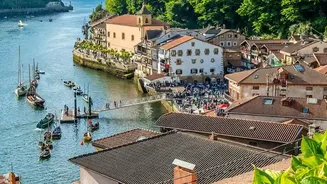
In response to both overcrowding and changing tastes, Spain's own tourism authorities are beginning to champion the country's lesser-known regions. The national tourism agency, Turespaña, recently launched a plan to promote inland territories and the areas of 'Green Spain', such as Galicia, Asturias, and the Basque Country. These regions offer lush landscapes, rich culinary traditions, and cultural depth without the intense crowds of the Mediterranean coast. The idea is to spread the benefits of tourism more evenly throughout the country and throughout the year, encouraging off-season travel. Travellers are discovering that cities like Valencia, Zaragoza, or the historic towns of Castile-La Mancha offer compelling alternatives to the sometimes-overwhelming-crush of Madrid and Barcelona.
Crafting Your Personal Spanish Journey
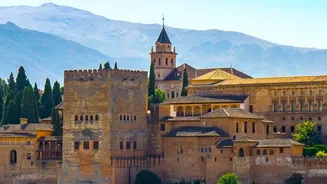
This new focus on individual preference opens up a world of possibilities for visitors. Instead of a onendize fits all itinerary, you can build a trip around your specific interests. For food lovers, that might mean a tour of the Basque Country's famous pintxos bars and wineries in La Rioja. Adventure seekers can find worldclass hiking in the Picos de Europa or the Spanish Pyrenees. History buffs can trace Roman ruins in Mérida or explore the legacy of the Moors in lessvisited parts of Andalusia. Even popular islands like Mallorca offer more than just resorts; its mountainous interior is a haven for walkers and cyclists. The rise of 'heritage holidays', where people travel to discover their family roots, is another facet of this trend towards more meaningful and personal travel.