






The Goodness of Traditional Lassi
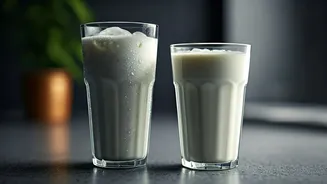
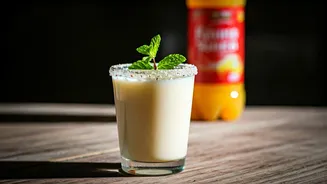
At its core, traditional lassi is a simple, wholesome drink. Made by blending curd (dahi) with water and a pinch of salt (for namkeen lassi) or a small amount of sugar (for meethi lassi), it has been a part of the Indian diet for centuries. The primary
ingredient, curd, is a fantastic source of probiotics, which are beneficial bacteria that support gut health and aid digestion. It's also rich in calcium for strong bones and protein that helps keep you feeling full. On a scorching summer afternoon, a glass of lassi does more than just quench your thirst; it replenishes your body with essential nutrients and electrolytes, making it an excellent post-meal drink or a midday refreshment.
The Modern Lassi and its Sugar Problem
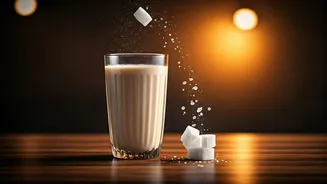
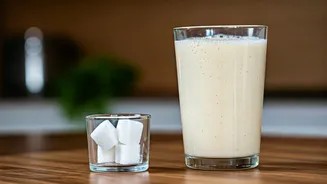
The problem arises when this simple, healthy drink is transformed into a dessert-like beverage. Commercially produced lassis and many versions found in restaurants and cafes are often loaded with added sugar to appeal to a wider palate. A single serving of a flavoured lassi, like mango or strawberry, can contain anywhere from 20 to 40 grams of sugar. To put that in perspective, the World Health Organization recommends that adults limit their daily intake of free sugars to about 25 grams. This means one glass of a sweet, commercial lassi could meet or exceed your entire day's recommended sugar limit. This sugar rush turns a traditionally gut-friendly drink into a potential contributor to health issues.
Why Excess Sugar Is a Concern
Consuming too much sugar on a regular basis has well-documented health consequences. It contributes to weight gain, increases the risk of developing type 2 diabetes, and can lead to inflammation throughout the body. For a population already facing a rising incidence of lifestyle diseases, being mindful of hidden sugars in seemingly 'healthy' foods is crucial. Sugary drinks are particularly tricky because they don't make you feel as full as solid food, making it easy to consume a large number of calories and sugar without realising it. Over time, this can negate the inherent benefits of the curd in lassi, placing a strain on your metabolic health.
How to Make Your Lassi Healthier
The good news is that you don't have to give up lassi. You just need to reclaim it. The best way to control what’s in your glass is to make it at home. Start with good quality, plain, full-fat or low-fat curd. If you crave sweetness, there are many healthier alternatives to refined white sugar. Try adding a teaspoon of raw honey or jaggery, which have slightly better nutritional profiles, but remember to use them sparingly. For a truly sugar-free sweet lassi, blend in naturally sweet fruits like ripe mangoes, bananas, or dates. These provide sweetness along with fibre and vitamins. Spices like cardamom, cinnamon, or saffron not only add incredible flavour but can also enhance the perception of sweetness, allowing you to use less sugar overall.
Choosing Wisely When You're Out
When you're buying lassi or ordering it at a restaurant, you can still make smarter choices. If possible, opt for plain or 'namkeen' (salted) lassi, also known as chaas or buttermilk. Chaas is typically much lower in fat and calories and is often spiced with jeera (cumin) and ginger, which are excellent for digestion. If you must have a sweet lassi, ask for it to be made with less sugar or no sugar at all, so you can add a small amount of sweetener yourself if needed. When picking up a packaged lassi, take a moment to read the nutrition label. Pay close attention to the 'sugars' or 'added sugars' line to understand exactly what you're consuming. Often, the plain or 'natural' versions are a much better bet than the fruit-flavoured ones.