





A Conscious Shift in Refreshment
For years, the choice for a cold, non-carbonated drink often meant a ready-to-drink iced tea loaded with sugar and artificial flavours. But consumer tastes are evolving. Driven by a growing awareness of wellness and a desire for authenticity, Indians
are increasingly turning away from these sugary concoctions. This shift has paved the way for a new category of beverage: artisanal cold teas. This trend isn't just about avoiding sugar; it's about embracing a more mindful approach to what we drink. Consumers, especially urban millennials and Gen Z, are looking for functional beverages that offer health benefits without compromising on taste or convenience. This has created the perfect environment for slow-steeped, botanical-infused teas to thrive, with the Indian iced tea market projected to grow significantly.
The Gentle Art of the Slow Steep
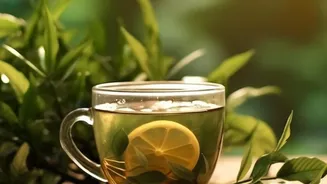
So, what exactly is a slow-steeped or cold-brewed tea? Unlike traditional iced tea, which is typically brewed hot and then cooled, cold brewing involves steeping tea leaves directly in cold or room-temperature water for an extended period, usually between 6 to 12 hours. This patient process fundamentally changes the flavour profile. Hot water extracts tannins quickly, which can lead to bitterness and astringency. The gentle, slow infusion of cold brewing extracts fewer tannins, resulting in a drink that is remarkably smooth, naturally sweeter, and more nuanced. This method allows the delicate flavours of the tea leaves and botanicals to shine through without the need for added sugars to mask any harshness. Proponents also suggest that cold brewing can better preserve certain antioxidants that may degrade in hot water.
Harnessing India's Botanical Heritage
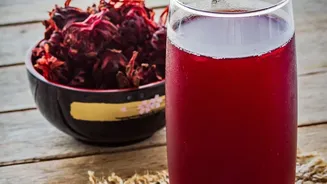
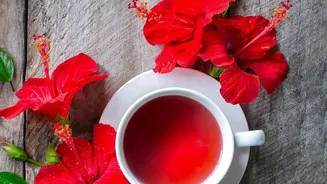
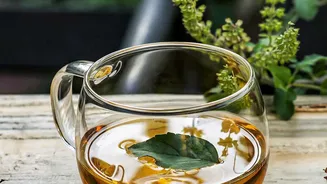
The most exciting aspect of this trend is the rediscovery of India's rich botanical heritage. Instead of generic fruit flavours, brewers are turning to the garden and the forest, infusing their teas with herbs and spices deeply rooted in Indian culture and traditional wellness systems like Ayurveda. Tulsi, or Holy Basil, revered as 'The Queen of Herbs', is a popular choice for its adaptogenic properties that help the body manage stress. Other native ingredients making their way into these sophisticated brews include calming chamomile, refreshing mint, fragrant lemongrass, floral hibiscus, and classic spices like ginger, cardamom, and saffron. These botanicals do more than just add flavour; they impart their own unique wellness benefits, turning a simple refreshment into a nourishing elixir.
More Than Just a Healthier Choice
The move towards slow-steeped botanical teas represents more than just a health trend; it signifies a cultural shift. It reflects a growing appreciation for craftsmanship, local ingredients, and sustainable practices. Artisanal brands are championing this movement, sourcing high-quality tea leaves and often hand-blending them in small batches with real herbs and spices, completely avoiding synthetic flavourings. This approach not only results in a superior product but also supports local tea growers and farmers. For the consumer, choosing a slow-steeped tea is a deliberate act of enjoying a beverage that is both good for the body and connected to a sense of place and tradition. It's a convenient, modern beverage that aligns perfectly with a globalised yet distinctly Indian identity.