


The Ancient Wisdom of Seasonal Eating
Long before 'eating local' became a global trend, Indian culinary traditions were deeply rooted in seasonality. Winter foods, in particular, were designed to provide the body with more energy to maintain warmth. Ayurvedic principles identify this as a time
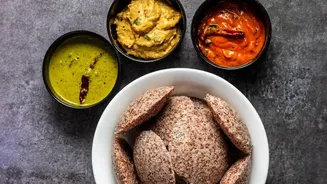
when digestive fire ('agni') is strongest, making it ideal for consuming richer, more nutrient-dense foods. Traditional recipes naturally incorporate warming ingredients like ghee, jaggery, ginger, and millets, which help the body retain heat, boost immunity against seasonal colds, and prevent the lethargy that often accompanies shorter days. This isn't just about comfort; it's a centuries-old health strategy.
Northern Strength: Sarson and Makki
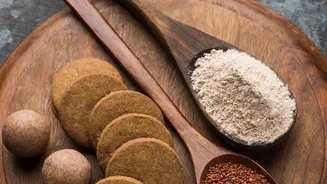
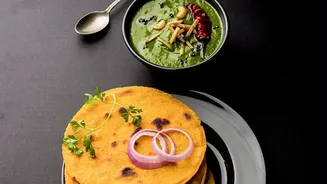
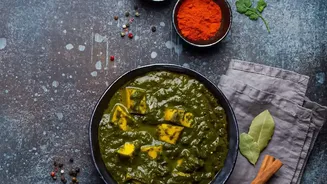
No North Indian winter is complete without Sarson da Saag and Makki di Roti. This iconic Punjabi meal is a perfect example of seasonal synergy. Mustard greens (sarson) are harvested during the cooler months and are naturally warming. They are a powerhouse of nutrients, packed with iron, folate, and vitamins A, C, and K, which are vital for boosting the immune system and improving bone health. When slow-cooked with ghee, ginger, and garlic, the dish's anti-inflammatory benefits are enhanced. It's served with flatbreads made from maize flour (makki), a gluten-free grain that provides sustained energy, making the combination a wholesome, warming, and deeply nourishing meal.
Western Warmth: Millets and Edible Gum
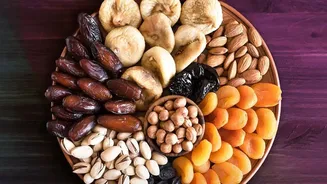
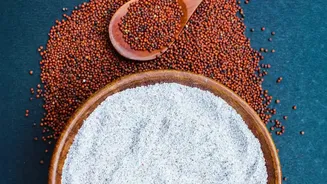
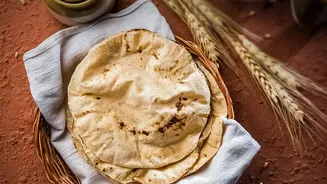
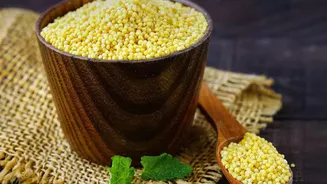
In the arid regions of Rajasthan and Gujarat, winter brings a shift from wheat to millets like bajra (pearl millet). Bajra is prized for its thermogenic or heat-producing properties, making it an ideal winter grain. It's rich in fibre, iron, and magnesium, which helps fight fatigue, supports digestion, and provides sustained energy. Another winter treasure from this region is Gond ke Ladoo. These energy balls are made from gond (edible gum), whole wheat flour, ghee, nuts, and jaggery. Gond is known to be warming, strengthen bones, lubricate joints, and provide a much-needed energy boost to combat the cold. It's especially recommended for new mothers to aid recovery and build strength.
The Gujarati Classic: Undhiyu
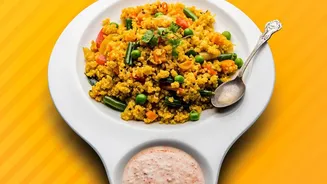
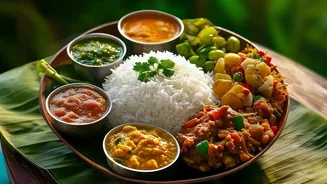
Undhiyu is Gujarat's quintessential winter dish, a complex and flavourful medley of seasonal vegetables. The name comes from the Gujarati word 'undhu', meaning 'upside down', which refers to the traditional method of cooking it underground in sealed earthen pots. The dish features a unique combination of winter produce like surti papdi (broad beans), purple yam, sweet potatoes, and small brinjals, all cooked with green garlic and fenugreek dumplings (methi muthia). This mix provides a wide array of vitamins, minerals, and dietary fibre. The variety of vegetables makes it a rich source of prebiotics that promote good gut health, while green garlic offers powerful antimicrobial properties perfect for fending off winter illnesses.
Eastern Sweetness: The Magic of Nolen Gur
In Bengal and other parts of Eastern India, winter is heralded by the arrival of Nolen Gur, or date palm jaggery. This seasonal delicacy is made by tapping the sap of date palm trees, a process only possible during the cold months, as the sap ferments quickly in warmer weather. Unlike refined sugar, Nolen Gur is unrefined and packed with minerals like iron, magnesium, and potassium. This makes it an excellent choice for a natural sweetener that also helps boost immunity and maintain healthy haemoglobin levels. Its distinctive smoky, caramel-like flavour enriches countless Bengali sweets and desserts, offering a comforting and healthier way to indulge during the festive winter season.