



Chapada Diamantina, Bahia: The Grand Canyon of Brazil
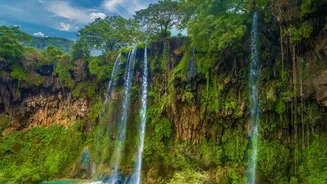
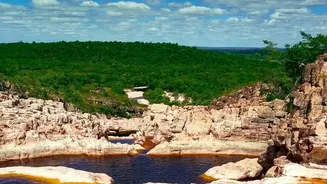
Chapada Diamantina National Park is a vast wonderland of flat-topped mountains (chapadas), dramatic canyons, towering waterfalls, and crystal-clear cave pools. Once a hub for diamond mining, today it's a paradise for hikers and nature lovers. The main
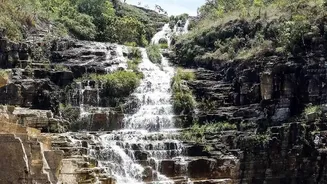
gateway town is Lençóis, a charming colonial hub with cobbled streets and a welcoming atmosphere. From here, you can arrange guided tours for multi-day treks like the famous Vale do Pati, considered one of Brazil's best hikes, or day trips to iconic spots. Key sights include Morro do Pai Inácio for panoramic sunset views, the 340-meter Cachoeira da Fumaça (Smoke Waterfall), and the otherworldly blue pools of Poço Encantado and Poço Azul, where sunlight creates a magical effect. Getting there typically involves flying into Salvador (SSA) and taking a 6-hour bus or car journey to Lençóis, though seasonal flights directly to Lençóis (LEC) are sometimes available. The best time to visit depends on your goal: the dry season (May-September) is ideal for hiking, while the rainy season (November-March) brings the waterfalls to their most powerful.
Alter do Chão, Pará: The Caribbean of the Amazon
Forget what you think you know about the Amazon. In Alter do Chão, the muddy brown river gives way to the clear, blue waters of the Rio Tapajós. This charming village is famous for its white-sand river beaches that appear during the dry season (August to December), earning it the nickname 'the Brazilian Caribbean'. The most famous spot is Ilha do Amor (Love Island), a sandy peninsula perfect for relaxing. Beyond the beaches, you can explore the surrounding rainforest, visit local communities to learn about their culture, and sample the unique flavours of Pará cuisine. It's an accessible taste of the Amazon without venturing deep into the jungle. To get there, fly into the nearby city of Santarém, which has connections from hubs like Brasília and Belém.
Bonito, Mato Grosso do Sul: The Capital of Ecotourism
The name 'Bonito' means 'beautiful' in Portuguese, and the area more than lives up to it. This town is Brazil's premier ecotourism destination, celebrated for its astonishingly clear rivers, vibrant underwater life, and impressive cave systems. Activities are strictly regulated to preserve the pristine environment, with a limited number of visitors allowed at each site daily. The star attractions are the 'flutuação' (flotation) tours, where you snorkel down crystalline rivers like the Rio da Prata, feeling like you're in a natural aquarium. Other must-see spots include the Gruta do Lago Azul (Blue Lake Grotto), a cave with a startlingly blue underground lake, and Abismo Anhumas, where you rappel 72 meters into a cavern for snorkeling or diving. The nearest major airport is in Campo Grande (CGR), followed by a 3.5-hour drive.
Ilha do Mel, Paraná: The Car-Free Island Paradise
Just off the coast of Paraná state, Ilha do Mel (Honey Island) is a protected ecological station where no cars are allowed. Here, transportation is limited to foot or bicycle along sandy trails. The island is a haven of tranquility, known for its unspoiled beaches, lush Atlantic Forest, and historic sites. It's divided into two main villages, Nova Brasília and Encantadas, each with its own charm. Key attractions include climbing to the Farol das Conchas lighthouse for stunning views, exploring the 18th-century Fortress of Our Lady of Pleasures, and relaxing on secluded beaches like Praia Grande. To get there, travel to Curitiba (CWB), then take a bus or car to Paranaguá or Pontal do Sul for a short ferry ride to the island.
Jalapão, Tocantins: The Unspoiled Wilderness
For a true off-the-grid adventure, Jalapão State Park is one of Brazil's last frontiers. Located in the remote state of Tocantins, this vast region is a breathtaking mix of golden sand dunes reaching 40 meters high, powerful waterfalls, and unique natural springs called 'fervedouros'. In these bubbling springs, the water pressure is so strong that you float effortlessly. Due to the rugged, sandy roads, exploring Jalapão requires a 4x4 vehicle and is almost always done with a guided tour, usually starting from Palmas, the state capital. This is not a destination for casual tourism but a rewarding journey for intrepid travellers seeking raw, untouched nature. The dry season from May to September is the best time to visit, as roads are more reliable.