


Start Strong: Power-Up Your Breakfast
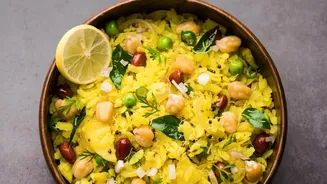
The first meal of the day is a golden opportunity to front-load your protein. Many popular Indian breakfasts like poha or upma are delicious but low in protein, leading to a mid-morning slump. Simple swaps can change this. Instead of a plain paratha,
opt for a sattu (roasted gram flour) or paneer-stuffed version. Chillas are another fantastic option; making them with moong dal or besan (chickpea flour) batter instead of refined flour instantly increases protein. A two-piece moong dal chilla can offer around 15 grams of protein. For those in a hurry, a bowl of sprouts chaat is a no-cook, high-protein choice. If you enjoy a savoury start, paneer bhurji or scrambled eggs are quick to prepare and provide a substantial protein kick, with a 100g serving of paneer bhurji containing about 18-20g of protein. Even adding a handful of roasted peanuts or some paneer cubes to your poha makes a significant difference.
Recharge at Lunch: The Midday Meal-Lift
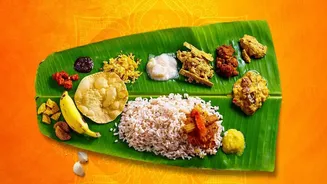
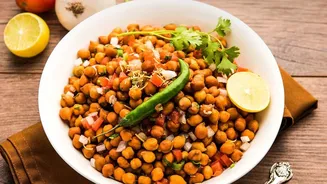
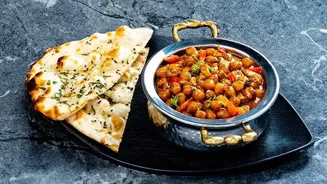
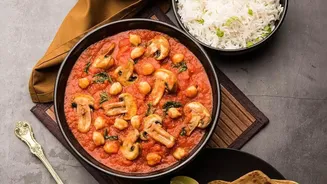
Lunch is often a thali-style meal, which makes it easy to add protein components. The key is to ensure your plate isn't dominated by just rice or roti. Make it a rule to include at least one, if not two, protein-rich dishes. A katori of dal is a good start, providing around 9-12g of protein, but it's often not enough on its own. Pair it with another protein source. A simple palak paneer, a chana masala, or a rajma curry can double your protein intake for the meal. Combining a legume like chickpeas with a grain like rice or roti creates a complete protein profile, providing all essential amino acids. Another easy strategy is to incorporate soya chunks. They are one of the most protein-dense vegetarian options available and can be added to pulao or made into a flavourful sabzi. For a lighter but still effective boost, a side of curd or Greek yogurt is an excellent addition, offering probiotics alongside protein.
End Well: Protein-Packed Dinners
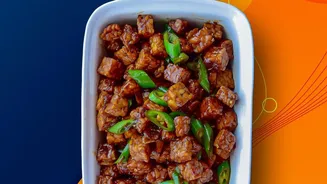
A protein-rich dinner helps with muscle repair overnight and promotes satiety, preventing late-night snacking. Lighter preparations are often preferred for the last meal of the day. Soups made from lentils like masoor dal are comforting, easy to digest, and nutritious. Khichdi, often seen as simple comfort food, becomes a protein powerhouse when made with plenty of moong dal. For non-vegetarians, grilled options are ideal. Tandoori chicken or baked fish offer high-quality lean protein without the heaviness of fried preparations. Vegetarians can turn to tofu, which is a versatile vegan protein source that absorbs spices beautifully in curries or as a simple bhurji. Dishes like kala chana curry or lobia (black-eyed peas) masala paired with millet rotis (like jowar or bajra) instead of wheat provide a satisfying and nutrient-dense meal.
Smart Add-Ins and Snacks
Beyond main meals, small additions throughout the day can significantly boost your overall protein count. A handful of nuts like almonds or walnuts, or seeds like pumpkin and flax, can be a great snack or a topping for your curd or salad. Roasted chana is another classic, portable, and protein-rich snack. When preparing batters for dosa or idli, you can improve their protein content by adjusting the ratio of lentils to rice or by using millets. Adding a spoonful of chia or flax seeds to soups or sprinkling them over your dal adds protein and healthy fats with minimal effort. Using hung curd or Greek yogurt as a base for dips and raitas instead of regular curd can nearly double the protein content. These small, consistent habits are the easiest way to ensure your body gets the fuel it needs without drastic dietary changes.