


A Widening Vegetarian World
For decades, vegetarian dining in India, especially when it came to international food, was largely defined by Indo-Chinese staples like gobi manchurian and chilli paneer. While beloved, these dishes represented a limited, albeit delicious, fusion. Now,
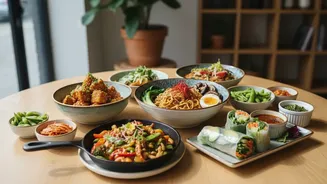
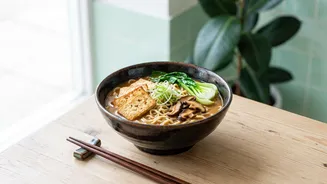
a culinary revolution is underway. The definition of Asian food is broadening dramatically beyond just Chinese-inspired fare. Walk into a trendy restaurant in any major Indian city today, and the vegetarian options are a vibrant tour of the continent. Diners are ordering steaming bowls of vegetarian ramen, platters of avocado and cream cheese sushi, spicy Korean tteokbokki, and fragrant Thai green curries. This isn't just about adding a few new items to the menu; it’s a fundamental change reflecting a more curious and global Indian palate, driven by a younger generation eager to experiment. This shift shows that diners are moving beyond known comforts and embracing the diverse, nuanced flavours of Japanese, Korean, Vietnamese, and Thai cuisines.
The Appetite for New Experiences
Several factors are fueling this trend. Increased international travel has exposed Indians to authentic Asian flavours, creating a demand for them back home. The global influence of pop culture, especially K-dramas and anime, has also played a significant role, turning on-screen meals into real-life cravings. Characters enjoying a bowl of ramen or sharing Korean barbecue has sparked a curiosity that restaurants are eager to satisfy. Furthermore, there's a growing wellness movement. Many Asian cuisines are perceived as being lighter and healthier, with their emphasis on fresh vegetables, broths, and fermentation. Japanese food, in particular, with its minimalistic approach and focus on fresh ingredients, aligns perfectly with the mindset of health-conscious consumers looking for nourishing yet flavourful alternatives.
From Sushi to Kimchi, A Flavor Revolution
Japanese cuisine has seen a phenomenal rise in popularity, especially after shedding its image as being exclusively for non-vegetarians. The introduction of creative vegetarian sushi, featuring everything from asparagus tempura to spicy avocado, has been a game-changer, making the dish accessible to a much wider audience. Ramen, once a niche dish, is now a mainstream comfort food, with restaurants offering rich, umami-laden vegetable broths that rival their meat-based counterparts. Similarly, the Korean wave has brought with it a love for bold, pungent flavours. The spicy-sweet notes of gochujang and the tangy crunch of kimchi have found a natural affinity with the Indian palate, which has always celebrated complexity and heat. The tradition of serving numerous side dishes (banchan) with a Korean meal also resonates with the Indian thali concept, offering variety in a single dining experience.
Indian Chefs Make It Their Own
This trend is not simply about importing dishes; it's about creative adaptation. Indian chefs are not just replicating recipes but are thoughtfully integrating local tastes and ingredients. This has led to innovative fusion creations like paneer sushi rolls and tandoori tempura, which bridge the gap for diners who may find purely authentic flavours unfamiliar. This process of adaptation is a tale as old as Indo-Chinese food itself, where Chinese culinary techniques were tailored to suit the Indian preference for spice and flavour intensity. Today's chefs are continuing that tradition, using their expertise to make global cuisines feel both exciting and comfortably familiar. Restaurants are increasingly mindful of their vegetarian clientele, with many dedicating a significant portion of their menus to plant-based options, some even offering separate Jain-friendly menus.