
The Nutritional Showdown
When it comes to nutrition, there's a clear trade-off between raw and cooked carrots. Raw carrots are a fantastic source of vitamin C, an essential nutrient for immune function and collagen production. However, the cooking process can reduce vitamin C levels,
especially with methods like boiling. On the other hand, cooking breaks down the carrot's tough cellular walls, which makes its beta-carotene much more available for your body to absorb. Beta-carotene is the compound that your body converts into vitamin A, crucial for vision, bone growth, and immune health. Studies have shown that the body can absorb significantly more beta-carotene from cooked carrots—sometimes several times more—than from raw ones.
Maximising Nutrient Absorption
Whether you choose raw or cooked, a little bit of fat can go a long way. Beta-carotene is a fat-soluble nutrient, meaning it needs fat to be absorbed effectively by your body. If you're eating a raw carrot salad, adding a dressing with olive oil, some avocado, or a handful of nuts will help you get more of that valuable vitamin A. For cooked carrots, roasting or sautéing them in a healthy oil like olive oil not only adds flavour but also boosts nutrient absorption. Even the preparation method matters; chopping or grating carrots helps to release more of their beneficial compounds before they even reach your plate.
A Tale of Two Flavours
Beyond nutrition, cooking dramatically alters a carrot's taste and texture. Raw carrots are defined by their satisfying crunch and a fresh, slightly earthy and sometimes peppery flavour. This makes them perfect for adding texture to salads, slaws, or simply as a crisp snack. Cooking, however, unlocks a different side of the carrot. The heat breaks down complex carbohydrates into simpler sugars, making cooked carrots taste noticeably sweeter. Methods like roasting and glazing caramelize these sugars, creating a rich, deep, and comforting flavour that pairs well with herbs and spices.
Inspiration for Raw Carrot Dishes
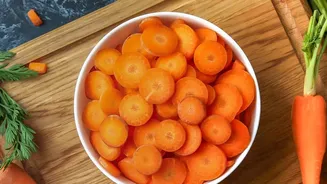
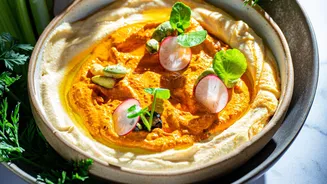
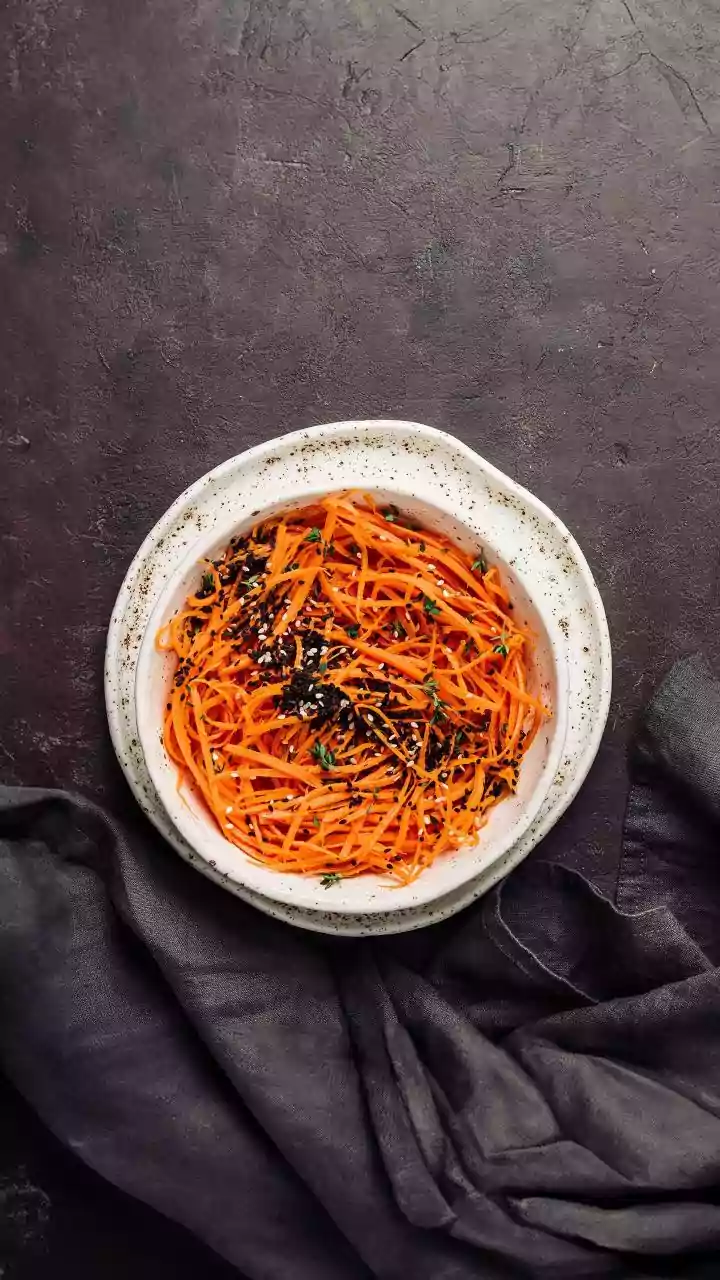
Embracing raw carrots is easy and requires no cooking time. A classic raw carrot salad, often simply grated carrots with a lemon and oil vinaigrette, is a refreshing and vibrant side dish. You can get creative by adding fresh herbs like dill or parsley, or seeds for extra crunch. Shaved carrot ribbons make an elegant addition to any green salad. For a quick and healthy snack, carrot sticks served with hummus are a timeless choice, with the fat from the hummus aiding beta-carotene absorption. Raw carrots are also a staple in juicing, often combined with apples and ginger for a nutrient-packed drink.
Classic Cooked Carrot Preparations
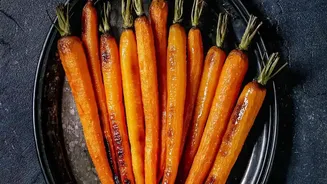
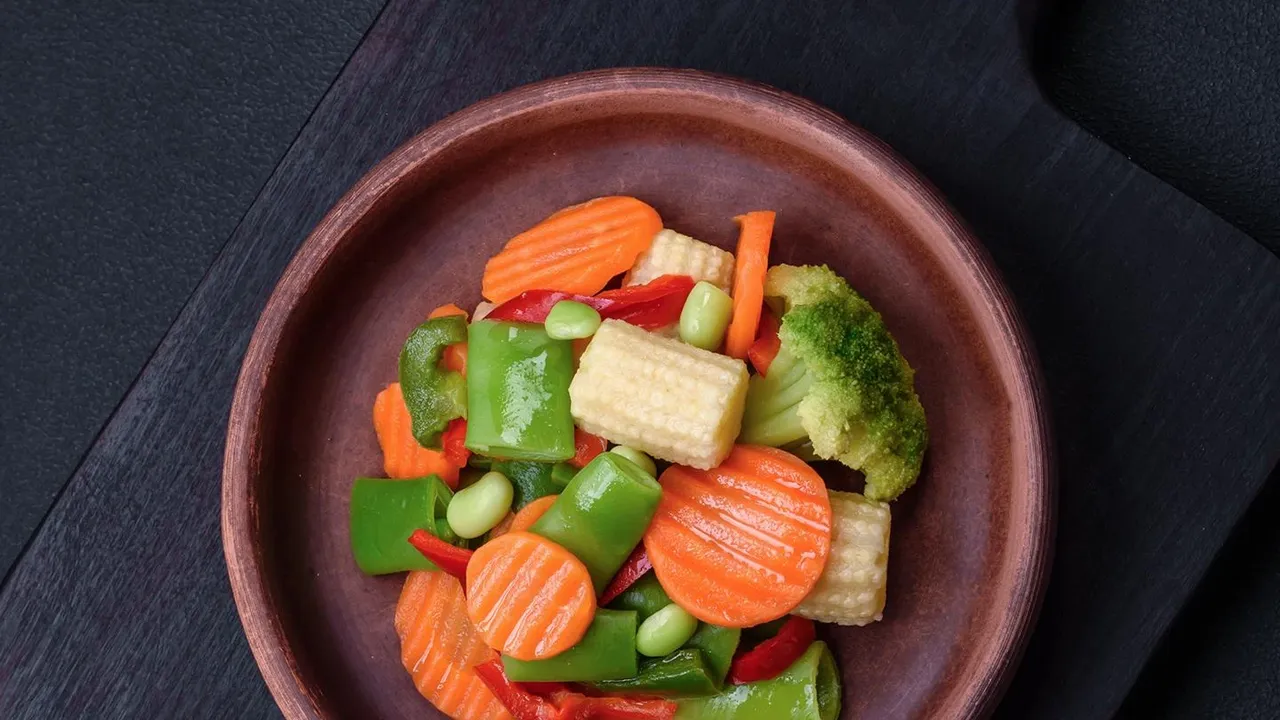
When you apply heat, the possibilities for carrot dishes expand immensely. Roasting is a favourite method, as it concentrates the carrots' sweetness. Tossed with olive oil, salt, pepper, and perhaps a little garlic powder or thyme, roasted carrots become tender on the inside with slightly caramelized edges. Sautéing is a quicker alternative that can yield buttery, tender carrot coins in about 10 minutes. For a classic comfort dish, glazed carrots simmered with butter and a touch of brown sugar create their own sweet, syrupy sauce. And of course, carrots are a foundational ingredient in countless soups, stews, and braises, lending their sweet and earthy notes to the entire dish.