
A Sweet with Divine Origins
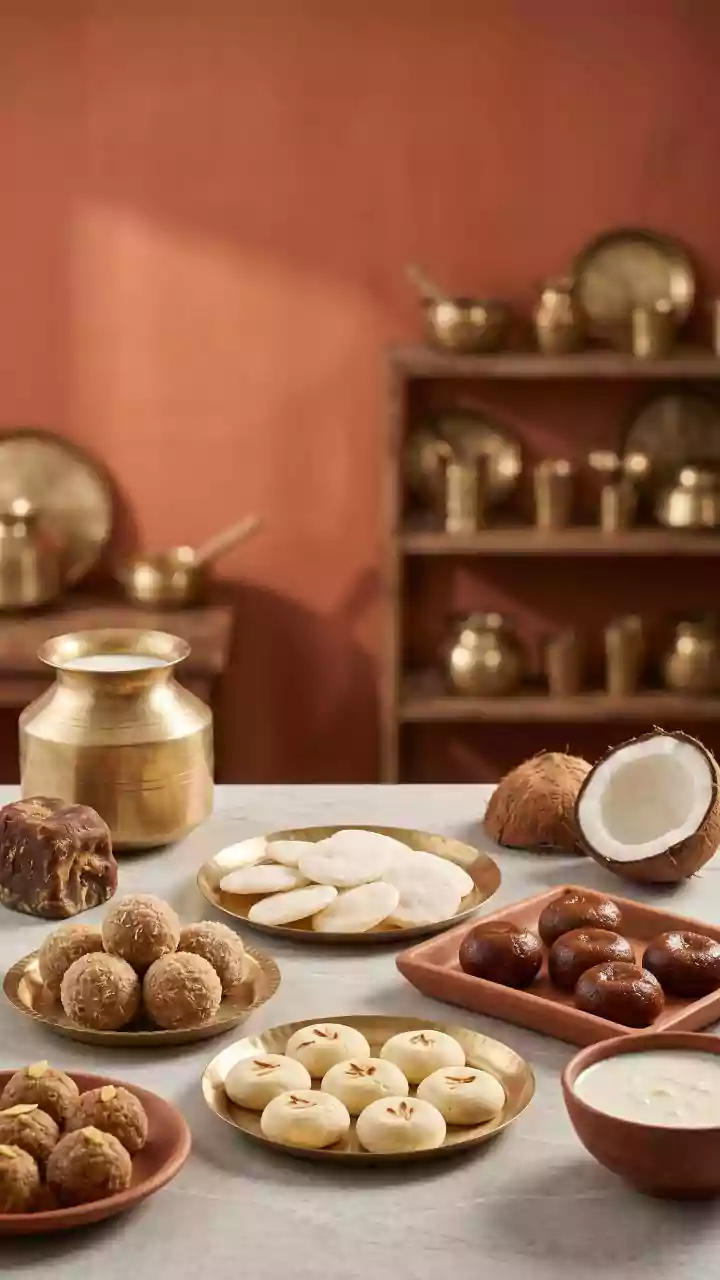
The story of the Mathura peda is inseparable from the city's identity as the birthplace of Lord Krishna. For centuries, the Braj region has been rich in dairy, and milk-based sweets have been central to its culture. The peda began its journey as 'prasad'
— a sacred offering made in temples. Devotees visiting the myriad temples in Mathura and Vrindavan would receive these blessed sweets, consuming them as a form of divine grace. This religious significance elevated the peda from a simple confection to a symbol of devotion, embedding it deeply within the spiritual life of the millions of pilgrims who visit the holy city each year.
The Art of the Authentic Peda
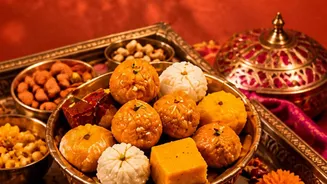
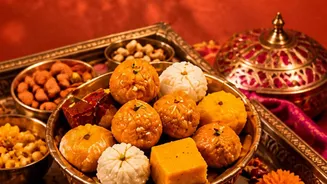
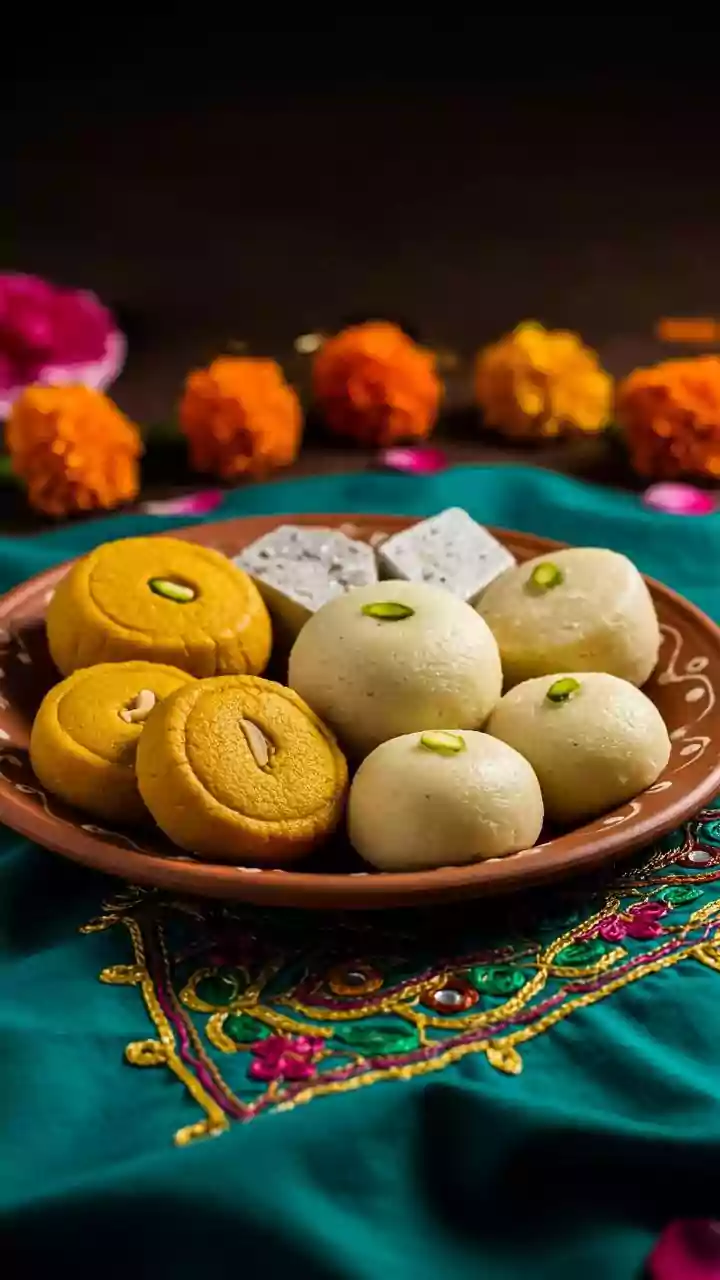
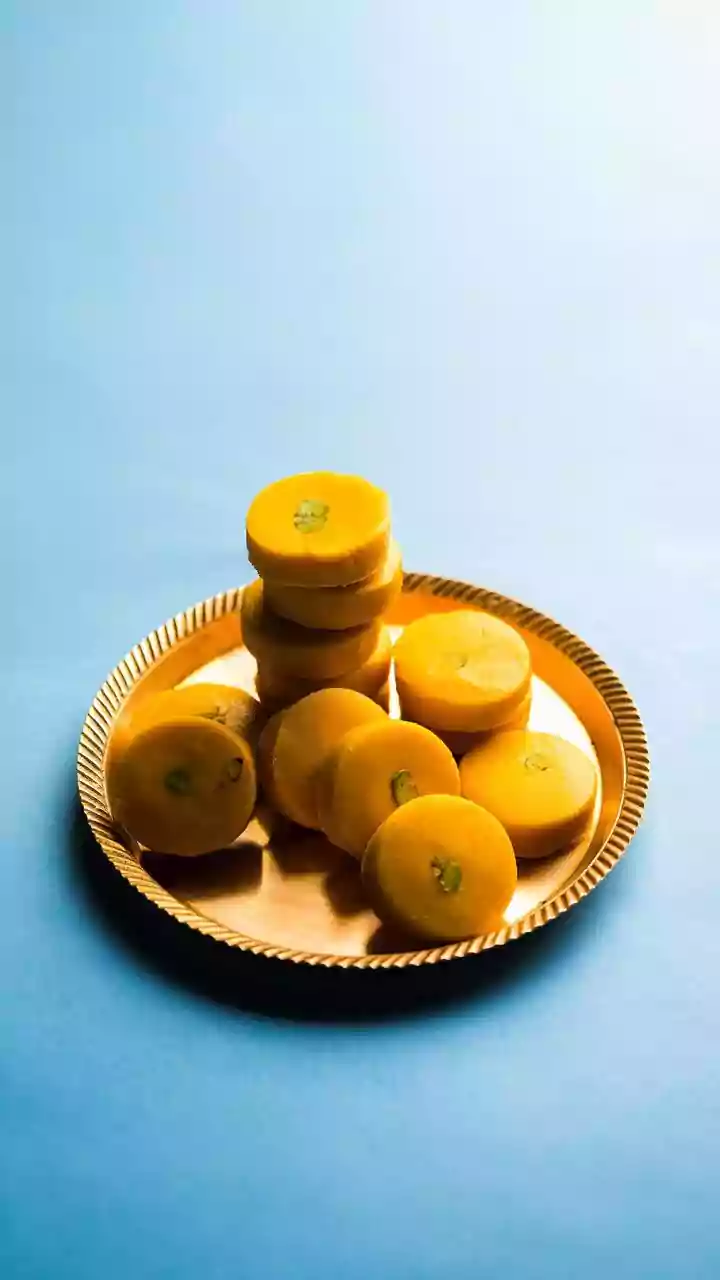
What distinguishes a Mathura peda from its countless imitations is a patient, time-honoured process. The magic begins with pure khoya, or mawa, which is milk that has been slowly simmered until its moisture evaporates and only the milk solids remain. This khoya is then roasted meticulously in large iron pans, or 'kadhais', until it achieves a distinctive light brown colour and a slightly granular texture. This roasting process caramelises the milk sugars, imparting a rich, nutty flavour that is the peda's signature. Finally, a specific type of powdered sugar called 'bura' is mixed in, and the sweets are shaped by hand, creating a dense, melt-in-mouth experience that is both creamy and subtly coarse.
From Temple Offering to City Brand
While its origins are spiritual, the peda’s widespread fame was cemented by entrepreneurial sweet makers. As pilgrims sought to take a piece of their spiritual journey home, local shops began to commercialise the temple sweet. Visionary families saw an opportunity not just to sell a product, but to brand an experience. Shops began to spring up around major pilgrimage sites like the Krishna Janmabhoomi and Dwarkadhish temple, each perfecting their version of the sacred sweet. The phrase 'Mathura ka Peda' became a brand in itself, synonymous with authenticity and quality. These sweet shops became an essential stop for every visitor, transforming the peda from a religious offering into a treasured souvenir and the city’s primary culinary export.
The Legacy of the Brijwasis
No story about Mathura's peda is complete without mentioning the iconic 'Brijwasi' sweet shops. Names like Brijwasi Mithai Wala, established decades ago, have become almost inseparable from the peda itself. These establishments, often run by the same families for generations, have standardised and popularised the sweet, making it accessible to all. They transformed the small-scale, temple-adjacent craft into a large-scale operation without losing the essence of the handmade tradition. Shops like Brijwasi, Shankar Mithaiwala, and Radhika Sweets are now institutions, their names guiding pilgrims and tourists to what they believe is the most authentic taste of Mathura.
Guarding a Sweet Heritage
Today, Mathura's reputation faces modern challenges, including the proliferation of lower-quality imitations using fake khoya. To protect its most famous product, the Mithai Association of Mathura has filed for a Geographical Indication (GI) tag. While the application is still in process as of late 2026, the move signifies an effort to preserve the authentic preparation methods and guarantee the quality that built the city’s sweet reputation. The GI tag would provide legal protection against counterfeits and formally recognise the unique cultural and economic importance of the Mathura peda, ensuring this centuries-old legacy continues for generations to come.