








The Post-Pandemic Workspace Problem
Remember when working from home was a temporary novelty? We made do with dining tables, repurposed study desks, and stacks of books for laptop stands. Now, for many of us, hybrid work is a permanent reality. This creates a unique challenge: we need a dedicated,
ergonomic, and productive workspace, but we don't want it to dominate our living space, especially on days we’re in the office or on weekends. The static, bulky office desk that made sense for a five-day week now feels clunky and inefficient. Your workspace needs to be as flexible as your work schedule, capable of being a command centre on Monday and a discreet corner on Saturday.
Enter the Modular Desk
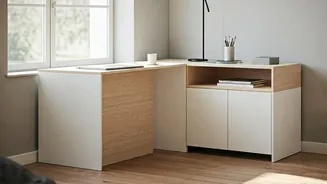
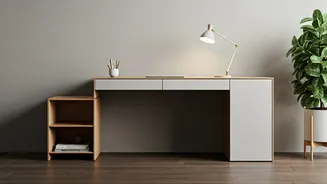
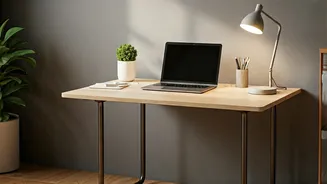
So, what’s the solution? Enter the modular desk. Forget the image of a single, immovable piece of furniture. A modular desk is a system of interconnected parts—desktops, legs, storage units, shelves, and accessories—that you can combine and configure to fit your exact needs and space. Think of it like building with LEGOs, but for your professional life. You start with a basic frame and add components as you see fit. This approach moves beyond a one-size-fits-all solution, empowering you to create a desk that is uniquely yours, both in function and form.
The Power of Perfect Fit and Personalisation
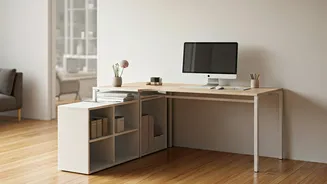
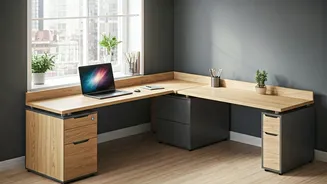
The primary advantage of a modular system is its incredible capacity for customisation. Whether you have a tight corner in your Mumbai apartment or a more generous space in a suburban home, you can design a configuration that fits perfectly. Need an L-shaped desk to separate your laptop from your paperwork? Done. Want to integrate vertical shelving to keep your small room from feeling cluttered? Easy. You can choose the finish of the tabletop to match your home décor, select the type of storage you need (drawers for files, open shelves for books), and even add accessories like monitor arms or cable management trays directly into the system. This isn't just about aesthetics; it's about building a tool for better work.
Adapting to Your Evolving Workflow
A modular desk isn’t just adaptable on day one; it evolves with you. Your needs can change dramatically over time. Perhaps you start a new role that requires a second monitor. With a traditional desk, you might be out of luck. With a modular one, you can simply add a new surface or an extension. Maybe you take up a new hobby that requires creative space. You can reconfigure your desk to accommodate it. For the hybrid worker, this is crucial. You can have a setup that expands for deep-work days at home and shrinks to a minimal footprint when you're at the office, freeing up valuable living space. This adaptability ensures your investment continues to pay off for years.
How to Choose the Right Modular System
When you start shopping, it's easy to get overwhelmed. Focus on these key factors. First, consider the materials. Look for sturdy options like solid wood, high-quality plywood, or powder-coated steel for the frame. Second, examine the connection mechanism. How easy is it to add or remove modules? The best systems are intuitive and don't require specialised tools. Third, look at the ecosystem of available parts. Does the brand offer a wide range of modules, including different types of storage, shelving, and desktop sizes? A rich ecosystem means more possibilities for future customisation. Finally, set a budget, but think of it as an investment in your productivity and comfort. Start with a simple setup and plan to add more modules over time as your needs and budget allow.