






Your Gut: A Thriving Internal Ecosystem
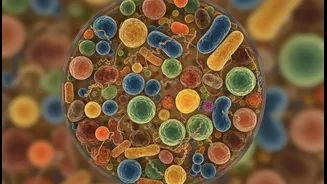
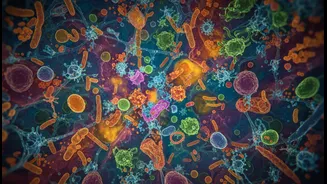
Imagine your gut not just as a digestive tube, but as a bustling metropolis of trillions of microorganisms, including bacteria, viruses, and fungi. This community is known as your gut microbiome. A healthy and diverse microbiome is crucial for more than
just digestion; it plays a vital role in your immune function, metabolism, mood, and even vitamin synthesis. A wide variety of beneficial bacteria indicates a robust and resilient gut ecosystem, capable of handling different foods and protecting you from harmful pathogens. Think of it like a diverse rainforest – the more species present, the healthier and more stable the entire system is.
Fibre: The Essential Food for Your Best Bacteria
Dietary fibre is the part of plant-based foods—fruits, vegetables, whole grains, and legumes—that your body cannot digest. While it might sound like a waste product, fibre is the primary food source for your beneficial gut bacteria. When these microbes ferment fibre, they produce incredibly important compounds called short-chain fatty acids (SCFAs), such as butyrate. Butyrate is the preferred fuel for the cells lining your colon, helping to strengthen the gut barrier, reduce inflammation, and support overall gut health. A diet low in fibre essentially starves these beneficial microbes, leading to a reduction in their populations and a less diverse gut environment.
When High Protein Comes at a Cost
High-protein diets are popular for muscle building and satiety, but a problem arises when protein intake dramatically increases while fibre intake plummets. Your small intestine can only absorb so much protein at once. The excess protein travels to the large intestine, where it's fermented by a different set of bacteria. Unlike fibre fermentation, protein fermentation can produce potentially harmful byproducts like ammonia and sulfides. In high amounts, these compounds can be irritating to the gut lining, promote inflammation, and shift the microbial balance away from beneficial species, contributing to what scientists call dysbiosis, or an imbalanced gut.
The Sedentary Factor: A Desk Job's Impact
A sedentary lifestyle, typical for many corporate workers, adds another layer of stress to the gut. Spending long hours sitting compresses your abdominal organs, which can slow down digestion and intestinal motility—the natural contractions that move food through your system. This sluggishness can lead to common complaints like bloating, gas, and constipation. Emerging research also suggests that a lack of physical activity can independently decrease the diversity of your gut microbiota and may be linked to a higher risk of inflammatory bowel conditions. The combination of a poor diet and inactivity creates a perfect storm for disrupting your gut's delicate balance.
Finding a Healthier Balance
The solution isn't necessarily to abandon protein, but to restore balance. The focus should be on adding fibre rather than simply cutting protein. Aim to incorporate a wide variety of plant-based foods into your daily meals. Simple swaps can make a big difference: choose whole-grain bread over white, add lentils or beans to salads, and snack on fruits and nuts instead of processed protein bars. Simultaneously, try to break up long periods of sitting. Stand up and stretch every hour, take a short walk during your lunch break, or opt for the stairs. Even small, consistent changes to your diet and activity levels can help nourish your beneficial gut microbes and promote a healthier, more diverse internal ecosystem.