
Why Bother with Stems?
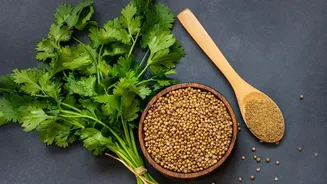
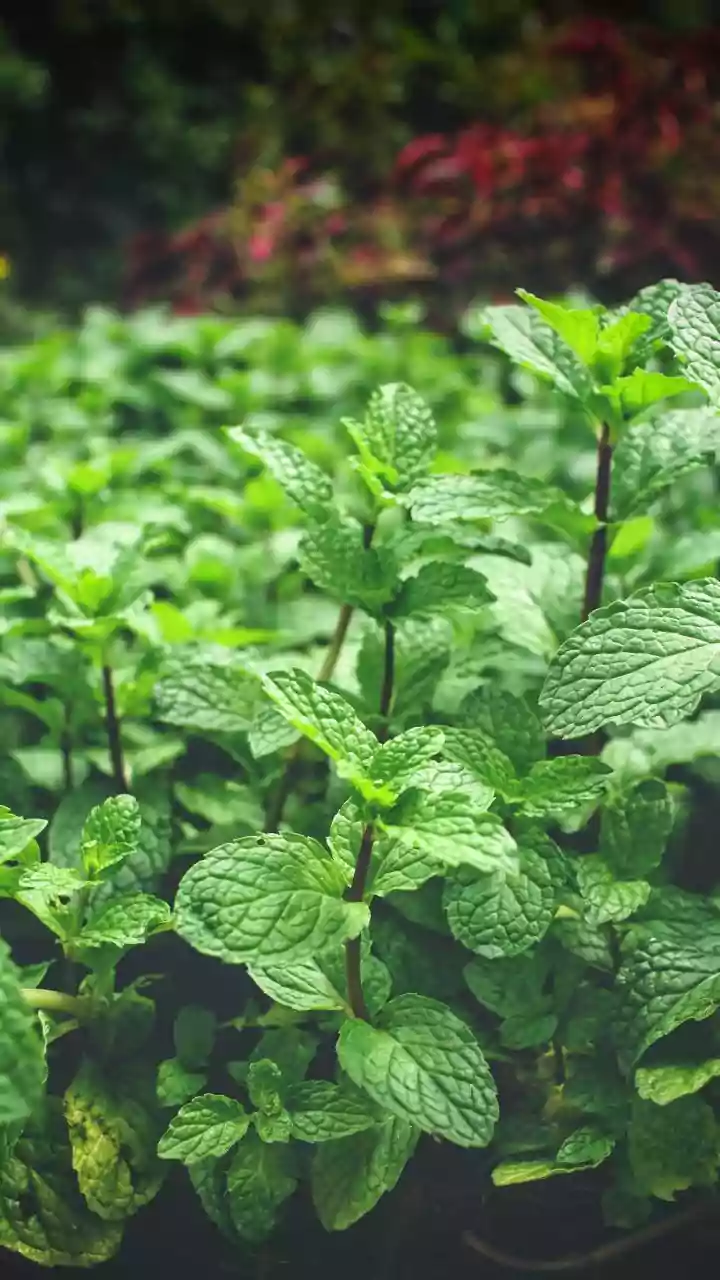
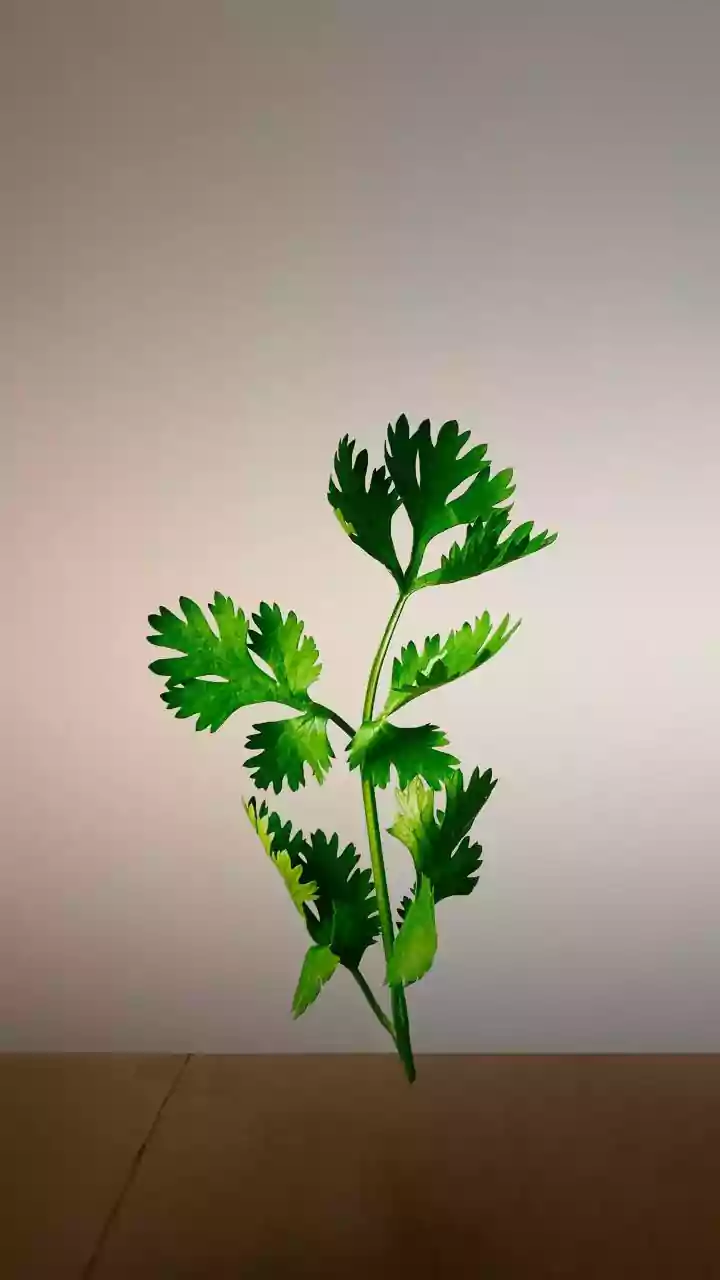
In the quest for a more sustainable kitchen, minimising food waste is a powerful first step. Herb stems, particularly from soft herbs like coriander and mint, are often discarded but are packed with as much, if not more, flavour than the leaves. Throwing
them away is like throwing away half the product you paid for. By using these stems, you not only get more value for your money but also embrace a zero-waste philosophy that is becoming increasingly important. This simple practice turns what is typically considered kitchen scrap into a gourmet ingredient, adding a layer of deep, fresh flavour to your everyday cooking.
The Science of Infused Oils
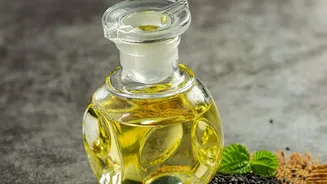
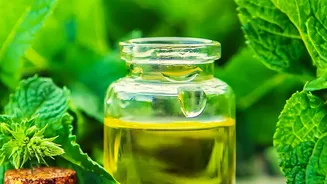
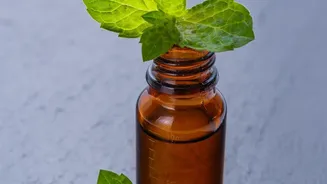
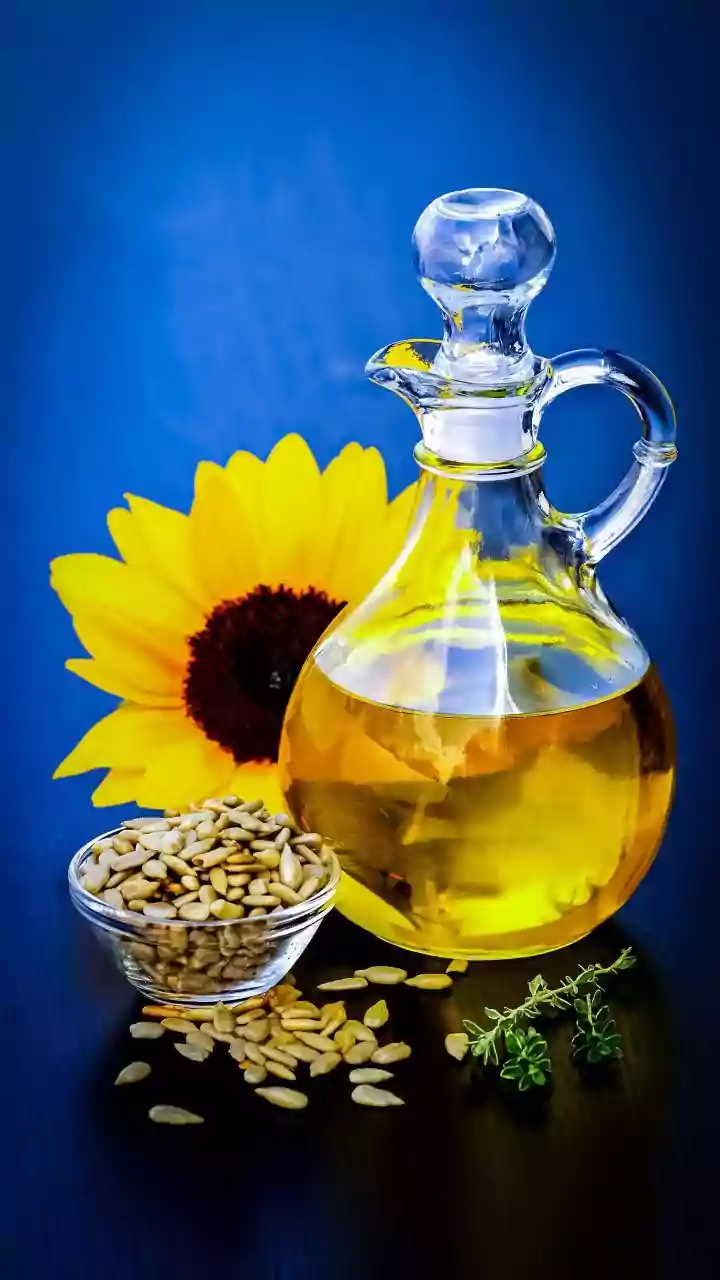
Infusing oil is the simple process of transferring the flavour and aroma of an ingredient into a carrier oil. The oil acts as a solvent, pulling out the flavour compounds from the herb stems. This is particularly effective with a gentle application of heat, which accelerates the infusion. You can use a variety of neutral-flavoured oils like sunflower, grapeseed, or a light olive oil, which won't overpower the delicate taste of the herbs. The result is a vibrant, aromatic oil that carries the distinct essence of fresh coriander or mint, ready to be drizzled over your favourite dishes.
A Crucial Note on Safety
Before you begin, it is critical to understand the food safety risks associated with homemade infused oils. Fresh herbs and vegetables contain moisture and can carry spores of Clostridium botulinum. In an oxygen-free oil environment, these spores can multiply and produce dangerous toxins, especially if left at room temperature. The safest way to prevent this is to ensure your herb stems are completely dry before they go into the oil. Using dried herbs is the most recommended method for long-term storage. For oils made with fresh herbs, they must be refrigerated and used within a few days to remain safe.
Step-by-Step Guide to Infusion
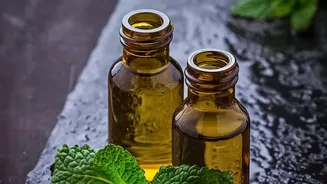
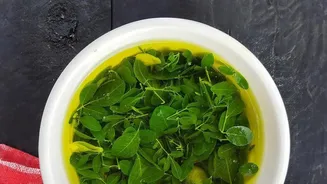
The process is straightforward. First, gather your leftover coriander or mint stems. Wash them thoroughly and, most importantly, pat them completely dry with a clean cloth or paper towels. Let them air-dry for a while to ensure no moisture remains. Next, roughly chop the stems to help release their flavour. In a small saucepan, gently warm your chosen oil over low heat. Do not let it smoke. Add the chopped stems to the warm oil, turn off the heat, and let the mixture steep for at least an hour, or until it has completely cooled. The longer it steeps, the more intense the flavour will be. Finally, strain the oil through a fine-mesh sieve or cheesecloth into a clean, sterilised glass bottle. Press on the stems to extract every last drop of flavourful oil.
Ideas for Using Your Herb Oils
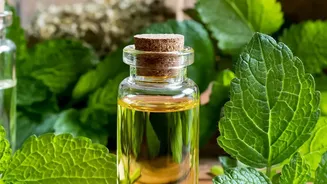
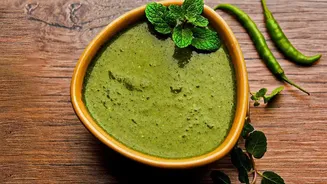
Your new homemade oils are incredibly versatile. Drizzle the coriander stem oil over dal, soups, or roasted vegetables for a fresh, aromatic finish. Use it as a base for a vibrant salad dressing or a marinade for chicken and fish. The mint oil is wonderfully refreshing. Try it over a fruit salad, mixed into yogurt to create a simple dip, or drizzled over grilled paneer or lamb. You can even use a few drops to liven up a glass of lemonade or a cocktail. These oils provide a final flourish of flavour that can elevate a simple meal into something special.
Proper Storage for Safety and Freshness
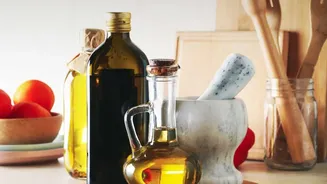
How you store your oil is as important as how you make it. For oils made with fresh (but thoroughly dried) stems, it is safest to store them in a sealed bottle in the refrigerator and use them within one week. For a much longer shelf life, you can use fully dehydrated stems to make your oil. Oil infused with completely dry ingredients can be stored in a cool, dark place for up to three months. Always label your bottle with the date it was made so you can keep track of its freshness. If the oil ever looks cloudy, smells off, or shows any signs of spoilage, discard it immediately.