





Sabudana Khichdi: The Maharashtrian Staple
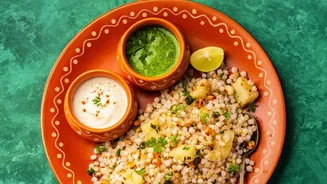
No Navratri food list is complete without the beloved Sabudana Khichdi. While popular across western and northern India, it holds a special place in Maharashtrian households. Made from tapioca pearls (sago), this dish is a powerhouse of carbohydrates,
providing a much-needed energy boost during fasts. The preparation involves soaking the sabudana until it's soft and fluffy, then sautéing it with boiled potatoes, roasted peanuts, green chillies, and cumin seeds in ghee. A final squeeze of lemon juice cuts through the richness and prevents the pearls from sticking together. The result is a delightful mix of soft, chewy, and crunchy textures that is both light on the stomach and deeply satisfying.
Kuttu ki Puri: A Northern Indian Classic
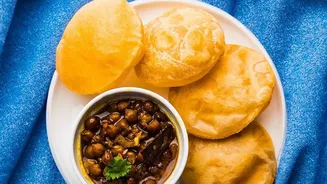
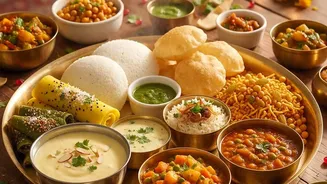
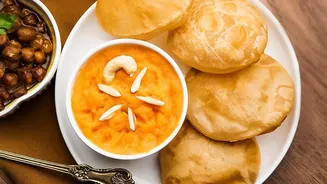
Travel north, and you'll find Kuttu ki Puri reigning supreme on the Navratri menu. Kuttu ka atta, or buckwheat flour, is a gluten-free staple during Hindu fasts. The flour has a distinct nutty and earthy flavour. To create the dough, kuttu atta is typically mixed with boiled and mashed potatoes, which act as a binding agent, along with rock salt (sendha namak) and cumin. These small puris are then deep-fried until they are crisp and puffed up. They are most often served hot alongside a simple and flavourful potato curry, famously known as 'vrat wale aloo', creating a wholesome meal that feels indulgent yet adheres to all fasting rules.
Samak Ke Chawal: The Fasting 'Rice'
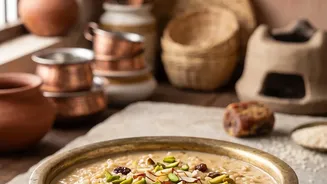
Since regular rice is avoided during Navratri fasts, Samak ke Chawal, or barnyard millet, steps in as the perfect substitute. This tiny, gluten-free grain cooks quickly and can be used to make a variety of dishes. One popular preparation is a simple pulao, where the samak is cooked with potatoes, mild spices like cumin and black pepper, and garnished with fresh coriander. Another common dish is Samak ki Khichdi, which is wholesome and easy to digest. For those with a sweet tooth, Samak ki Kheer, a creamy pudding made with milk, sugar, and nuts, is a comforting dessert.
Rajgira and Singhara Atta: Versatile Flours
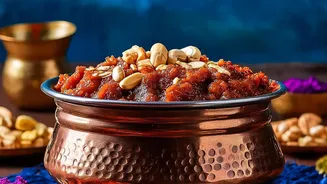
Alongside buckwheat, amaranth flour (rajgira atta) and water chestnut flour (singhare ka atta) are two other essential ingredients in a fasting kitchen. Rajgira atta is often used to make parathas or puris, offering a slightly different texture and taste from kuttu. In Maharashtra, popped amaranth seeds are mixed with jaggery to create Rajgira Ladoo, an energetic and nutty sweet treat. Singhare ka atta is used to make everything from halwa, a dense and sweet dessert, to crispy pakoras and even samosas with a fasting-friendly filling. These flours showcase the ingenuity of creating diverse meals within the constraints of fasting traditions.
Makhana Kheer: A Creamy Delight
For dessert, Makhana Kheer is a popular choice, especially in regions like Bihar and across North India. Makhana, or fox nuts, are light, airy, and permitted during fasts. To make the kheer, the makhana are lightly roasted in ghee until crisp, then simmered in milk until they soften. The milk thickens, and the dish is sweetened with sugar and flavoured with cardamom and saffron. Garnished with chopped nuts like almonds and pistachios, it’s a low-fat, nutritious dessert that feels both luxurious and comforting after a day of fasting.
South Indian Specialties: Sundal and Payasam
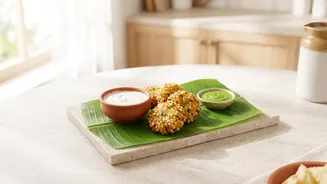
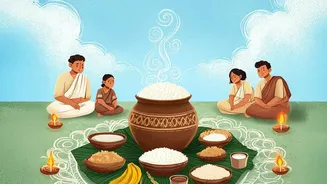
In South India, Navratri celebrations, while not always involving strict fasting in the same way as the North, feature a unique array of dishes offered as 'naivedyam' (offerings). The most prominent among these is Sundal, a simple and protein-rich dish made from legumes like chickpeas, black-eyed peas, or peanuts. The legumes are boiled and then tempered with mustard seeds, curry leaves, and fresh coconut. For a sweet offering, Payasam is a festive favourite. Versions suitable for fasting include Sweet Pongal made with rice and jaggery or Sabudana Payasam, a creamy pudding similar to kheer.