


A Nutritional Powerhouse
The primary reason for the shift towards millets lies in their dense nutritional profile. Unlike traditional sweets made with refined flour (maida) and polished rice, which are often low in nutrients, millet-based treats are packed with vitamins, minerals,
protein, and antioxidants. Grains like ragi (finger millet) are famously rich in calcium, while others like bajra (pearl millet) offer significant iron content. This means that with every laddoo or cookie, you are consuming beneficial nutrients, turning a festive indulgence into a more wholesome experience.
Gentler on Blood Sugar Levels
One of the most significant advantages of millets is their low glycemic index (GI). Foods with a high GI, like those made with refined sugar and flour, cause rapid spikes in blood sugar. Millets, however, contain complex carbohydrates and high fibre, which slows down digestion and ensures a gradual release of sugar into the bloodstream. This makes millet-based desserts a smarter choice for everyone, especially individuals with diabetes or those looking to manage their blood sugar levels during a season of feasting. Studies have shown that the mean GI of millets is around 36% lower than that of milled rice and refined wheat.
Naturally Gluten-Free and Gut-Friendly
Millets are naturally gluten-free, making them an excellent alternative for people with celiac disease or gluten sensitivity. This inclusivity allows more people to enjoy festive treats without worry. Furthermore, the high dietary fibre content in millets is great for digestive health. It promotes a healthy gut, prevents constipation, and can help you feel full and satisfied, which can aid in weight management by curbing the tendency to overindulge during celebrations.
The Versatility Factor in the Kitchen
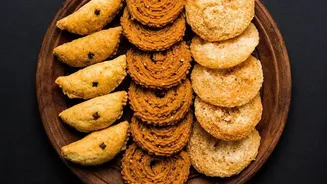
From ladoos and barfis to cookies and cakes, the culinary versatility of millets is another reason for their growing popularity. Millet flours from grains like jowar, bajra, and ragi can be seamlessly swapped into traditional recipes. Brands and home cooks are now creating innovative sweets like ragi halwa, foxtail millet ladoos, and even kambu (pearl millet) coffee Mysore pak. These grains impart a unique, slightly nutty flavour and a satisfying texture to desserts, proving that healthy can indeed be delicious.
A Sustainable and Traditional Choice
The resurgence of millets is also tied to a growing awareness of sustainability. Millets are hardy, climate-resilient crops that require significantly less water than rice and wheat and can grow in arid conditions with minimal inputs. By choosing millet-based products, consumers are not only making a healthier choice for themselves but also supporting local farmers and environmentally-friendly agriculture. This revival connects modern health consciousness with the ancient wisdom of Indian agricultural and dietary traditions, where millets were once a staple.