

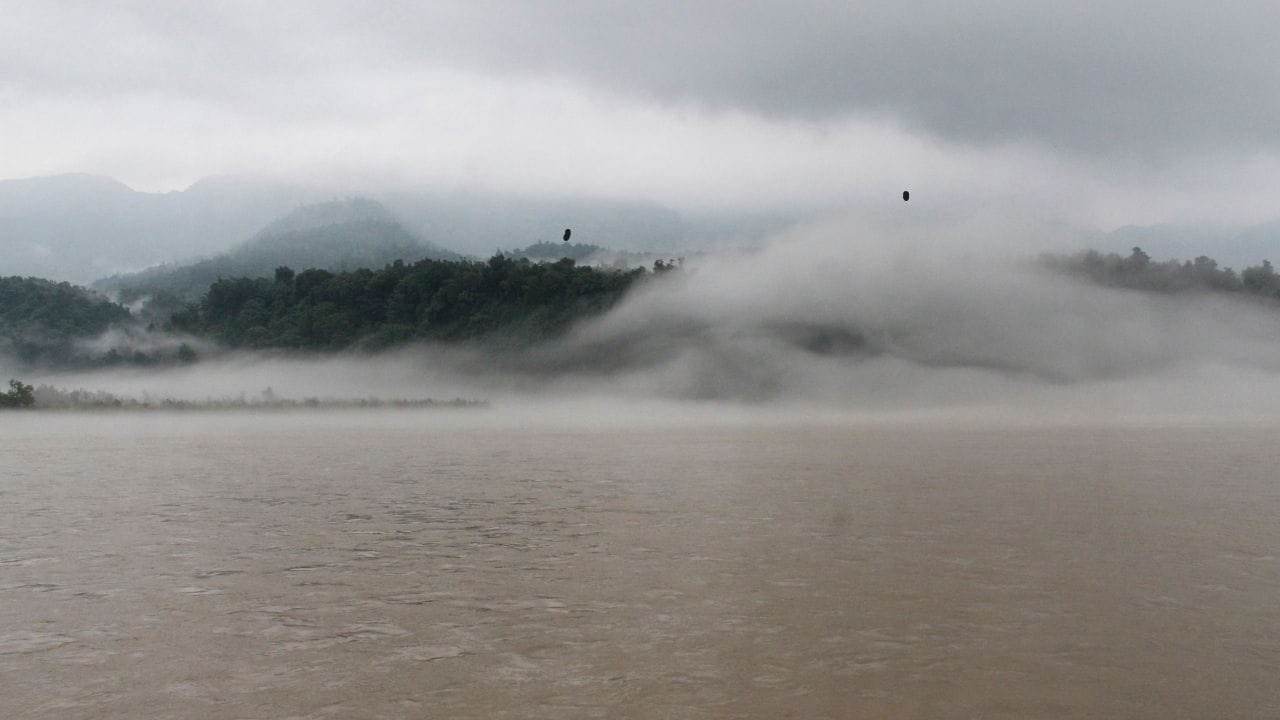

The National Weather Outlook
The India Meteorological Department (IMD) has indicated that the monsoon's withdrawal might be a staggered affair this year. While long-term forecasts earlier in the year suggested a potentially below-normal monsoon season overall, current low-pressure
systems are keeping the monsoon active into the first week of September across several regions. This means many parts of the country will continue to see fairly widespread rainfall. Specifically, heavy rainfall is expected to continue over East, Central, and Northeast India in early September. Odisha, Chhattisgarh, and the northeastern states like Assam and Meghalaya are on alert for significant precipitation. This extended wet spell is happening even as some forecasts point towards below-average rainfall for the month as a whole, highlighting a very varied and region-specific weather pattern.
Mountain Retreats: A Word of Caution
For those dreaming of the crisp mountain air in Himachal Pradesh and Uttarakhand, September usually brings clearer skies post-monsoon. However, the forecast for early September 2026 calls for continued rain. Both states are expected to receive widespread rain through the first week of the month. This is a critical factor for travellers, as persistent rain in the hills increases the risk of landslides and road blockages, which can disrupt travel itineraries. While destinations like Shimla, Manali, and Mussoorie are beautiful when lush and green, it's essential to stay updated on local weather alerts and road conditions. If you're planning a trip, build extra buffer days into your schedule and prioritize flexible bookings. The latter half of the month may offer a better window for travel as the rain is expected to subside.
Coastal Getaways: Goa and Kerala
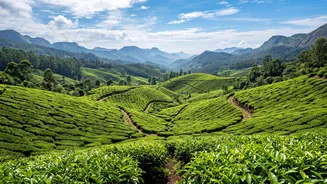
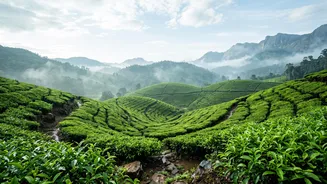
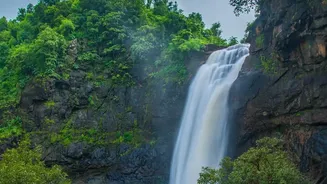
The monsoon in Goa and Kerala transforms the coastal states into verdant paradises, but it also comes with challenges. In September, the intensity of the rain typically lessens, but intermittent showers are common. Forecasts suggest fairly widespread rainfall will continue along the Konkan coast (including Goa) and parts of Kerala into early September. While this means you can enjoy lush landscapes and thundering waterfalls like Dudhsagar at their peak, beach activities might be limited. The sea can be rough, and many beach shacks may still be closed. The upside is fewer crowds and lower prices for accommodation. For travellers, this 'shoulder season' offers a chance to see a different, more tranquil side of these popular states, focusing on hinterland beauty, plantation stays, and cultural experiences.
Desert & Heritage Trails: Rajasthan
September can be an excellent time to visit Rajasthan. The post-monsoon landscape is surprisingly green, the lakes in cities like Udaipur are full, and the scorching summer heat has subsided. This year, with weather patterns showing rain extending into West Rajasthan from September 3rd onwards, you might experience some light, passing showers. This is generally not a deterrent; in fact, it can make sightseeing in places like Jaipur and Bundi more pleasant. The cloud cover provides a welcome respite from the sun. Tourist numbers are still low compared to the peak season (October to March), allowing for a more relaxed exploration of forts and palaces.
Final Tips for September Travellers
Navigating the end-of-monsoon weather requires some smart planning. First, always check the latest local forecasts from the IMD just before and during your trip. Second, pack accordingly: include a waterproof jacket, quick-drying clothes, and sturdy, non-slip footwear. Third, if travelling by road, especially in hilly or remote areas, be prepared for delays and have a backup plan. Finally, embrace the weather. The monsoon's retreat paints India in stunning shades of green, and travelling during this time can be a unique and rewarding experience, offering a glimpse of popular places in a different, more serene light.