




The Allure of the Short List
The rule of thumb to avoid long ingredient lists comes from a good place. It’s a reaction to the rise of ultra-processed foods — industrial formulations often packed with additives you wouldn't find in a home kitchen. These can include modified starches,
artificial colours, and various agents for bulking, de-foaming, or preserving. Studies have linked diets high in these foods to negative health outcomes. As a result, many of us have been taught that a list resembling a chemistry textbook is a clear red flag, a signal that the food is less natural and therefore less healthy. The thinking is simple: if a bag of chips has 25 ingredients, it’s likely a worse choice than one with just corn, oil, and salt. This advice is easy to follow and often points you in a healthier direction, but it oversimplifies the story.
When a Long List Isn't a Bad Thing
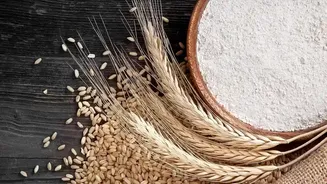
A long ingredient list isn't automatically a mark of poor quality. In fact, some of the healthiest foods can have extensive lists. Consider a loaf of multigrain bread. Its list might be long because it contains various whole grains, seeds, and nuts. Similarly, foods can be fortified with vitamins and minerals to boost their nutritional value, which also adds to the ingredient count. Since the 1920s, nutrients like iodine, vitamin D, and folic acid have been added to staples like salt, milk, and flour to prevent deficiencies and improve public health. These added nutrients must be declared on the label, lengthening the list for a positive reason. Even complex-sounding names aren't always sinister; 'ascorbic acid' is simply vitamin C used as a natural preservative, and 'alpha-tocopherol' is vitamin E. The function of the ingredients matters more than their number.
What to Look For Instead: Order and Type
A more effective way to judge a product is to look at the order and type of ingredients, rather than just the count. Ingredients are listed in descending order by weight. The first few ingredients make up the bulk of the product. If sugar, salt, or refined flour are at the top of the list, it's a strong indicator that the food is not a nutrient-dense choice. Also be wary of 'ingredient splitting', a technique where manufacturers use multiple types of sweeteners—like corn syrup, fructose, and cane juice—so that no single one appears high on the list. Instead of just counting, scan for ingredients you recognise from your own kitchen. While some additives like emulsifiers and stabilisers are necessary to maintain texture and freshness in packaged foods, a list dominated by protein isolates, hydrogenated oils, and artificial flavours is a clearer sign of an ultra-processed product.
Look Beyond the List Itself
The ingredient list is only one part of the puzzle. To get a complete picture, you also need to consult the Nutrition Facts panel. This is where you'll find crucial information about a food's content of added sugars, saturated fats, sodium, and dietary fibre per serving. A food might have a short, 'clean' ingredient list but still be high in calories and low in nutrients. The serving size is another critical detail, as it might be much smaller than what you would typically eat in one sitting. Ultimately, context is key. A long ingredient list on a can of vegetable soup is very different from a long list on a packet of instant noodles or a candy bar. The overall quality of the food and how it fits into your broader diet is more important than a simple ingredient count.