

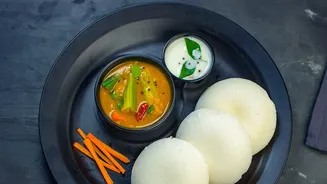
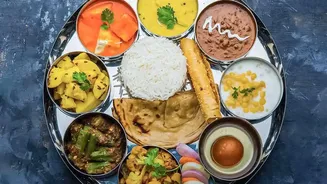
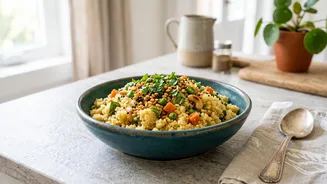
A familiar sight in most Indian kitchens, urad dal is more than just an ingredient for idli or dal makhani. This versatile lentil is a nutritional powerhouse, packed with plant-based protein and essential dietary fibre for a healthy lifestyle.
The Unsung Hero of the Pantry
Urad dal,
also known as black gram, is a staple pulse across India, but its true value is often underestimated. It comes in several forms: whole black gram with its skin intact, split with the skin on, and the popular split and dehusked white urad dal. Each variety offers a different texture and is used in distinct culinary preparations. What remains constant is its impressive nutritional profile. Dry urad dal contains roughly 25 grams of protein and about 18 to 26 grams of dietary fibre per 100 grams, making it one of the most nutrient-dense legumes available. It is also a rich source of essential minerals like iron, magnesium, potassium, and calcium, which are vital for overall health.
A Powerhouse of Plant-Based Protein
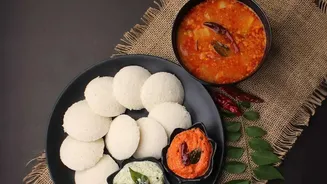
For those on vegetarian or vegan diets, getting enough protein is a common concern. Urad dal offers a fantastic solution. With around 25g of protein per 100g, it is crucial for muscle repair, immune function, and maintaining healthy skin and hair. While plant proteins are sometimes considered incomplete, the traditional Indian practice of pairing lentils with grains like rice creates a complete protein profile. The combination, famously seen in idli and dosa, ensures your body gets all the essential amino acids it needs to thrive. This makes urad dal an efficient and affordable way to meet your daily protein requirements.
Fibre for Digestion and More
The benefits of a high-fibre diet are well-known, and urad dal is an exceptional source. The fibre content, which is highest in the whole black gram, includes both soluble and insoluble types. Soluble fibre helps manage blood sugar levels by slowing down absorption and can also assist in lowering bad cholesterol. Insoluble fibre adds bulk, promoting regular bowel movements and supporting a healthy digestive system. This dual-action fibre not only keeps your gut happy but also contributes to a feeling of fullness, which can aid in weight management by curbing unnecessary snacking.
Beyond the Usual Suspects
Most people associate urad dal with a few iconic dishes: the creamy Dal Makhani, the crispy Medu Vada, or the fermented batter for Dosa and Idli. While these are delicious, its versatility extends far beyond them. The dal's unique properties allow it to be used in countless other ways. In states like Rajasthan and Uttar Pradesh, it is ground and sun-dried to make 'vadi' dumplings that are added to curries. In South India, it is used to make a flavourful chutney served alongside breakfast staples. It can even be used to prepare savoury pancakes called chilla or a rich, creamy dessert known as Urad Dal Halwa.
Simple Ways to Boost Your Daily Intake
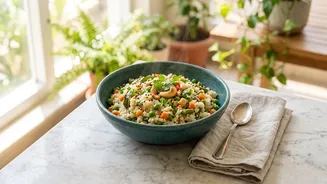
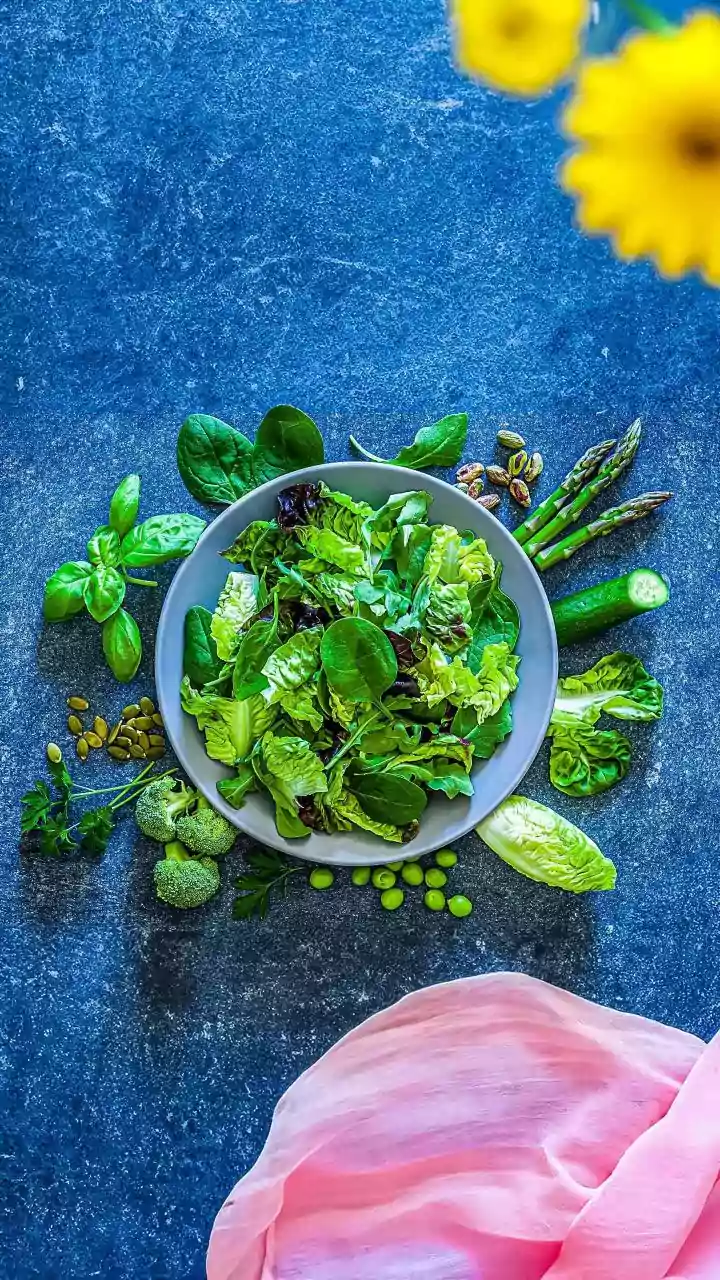
Incorporating this nutritious pulse into your daily diet is easier than you think and doesn't always require a complex recipe. One simple trick is to add a small amount of urad dal flour to your regular chapati atta to boost its protein content. A simple soup made from boiled and blended white urad dal, tempered with ghee and cumin, makes for a light and nourishing meal. Soaking and sprouting urad dal can make it a crunchy, nutritious addition to salads. You can also use the batter for more than just idlis; try making savoury pancakes or waffles. For a comforting one-pot meal, a simple khichdi made with urad dal and rice is both wholesome and easy to digest.