






The New Reality: What Are Crowd Caps?
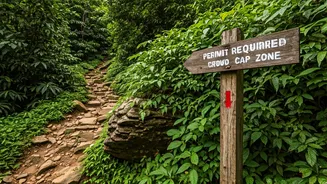
Crowd caps, or daily trekker quotas, are limits on the number of people allowed to enter a specific trail or national park each day. This isn't a new concept globally, but it is being implemented more rigorously across India’s popular trekking circuits.
For instance, authorities in Uttarakhand and Himachal Pradesh have started enforcing these limits for several high-demand treks. The Kinnaur Kailash Yatra in Himachal now has a daily limit of 375 pilgrims. Similarly, after viral videos showed dangerous overcrowding at Maharashtra's Harihar Fort, officials have imposed visitor limits, allowing only 300 people in the first phase and restricting entry after 2 p.m. These measures aim to shift trekking from an unregulated activity to a more structured and sustainable one.
Why Are Limits Being Imposed?
The primary driver behind these caps is twofold: ecological preservation and trekker safety. Popular trails, especially in the fragile Himalayan region and the Western Ghats, have been suffering from extreme footfall. This leads to soil erosion, garbage accumulation, and disturbance to wildlife. After a weekend saw 4,000 trekkers on the Kumara Parvatha peak, the Karnataka government temporarily banned trekking to create a better management system. Safety is another major concern. Overcrowding on narrow or treacherous paths, like the steep rock-cut steps of Harihar Fort, dramatically increases the risk of accidents and stampedes. In Uttarakhand, several fatal incidents, including the death of nine trekkers in a blizzard in 2024, have pushed authorities to propose a comprehensive framework that includes mandatory fitness certificates and weather checks to regulate the activity.
Which Treks Are Currently Affected?
Permit requirements and daily caps are increasingly common across India. In Uttarakhand, treks within the Gangotri National Park, such as the famous Gaumukh-Tapovan trek, have long-standing quotas. Other routes like Kuari Pass, treks in the Nanda Devi Sanctuary, and Satopanth Lake also require permits that help regulate numbers. In Himachal Pradesh, the Kinnaur Kailash Yatra is a prime example of a pilgrimage trek with a new, strict daily cap. In Karnataka, treks in the Kudremukh National Park and Pushpagiri Wildlife Sanctuary, including Kumara Parvatha, now operate on a pre-booked online permit system with daily quotas, typically between 100-300 trekkers. It's crucial to check the specific rules for your chosen trail, as regulations can change based on season and local conditions.
How to Plan Your Trek Now
Spontaneity is out; planning is in. The first step is to identify if your chosen trek requires a permit. Most states with regulated treks now have online portals, like Karnataka's Aranya Vihara website or Uttarakhand's Trekking Management System (UTMS). You'll need to register, select your route, and upload documents like a government-issued ID and sometimes a medical fitness certificate. Book well in advance, as popular treks can get filled up weeks or even months ahead, especially during peak season. Be prepared for a nominal fee. For many treks, especially in sensitive areas, hiring a certified local guide is now mandatory. This not only enhances safety but also supports local employment.
A Responsible Path Forward
While these new rules may seem restrictive, they represent a positive step towards sustainable tourism. By regulating numbers, authorities can better manage trail maintenance, waste disposal, and emergency response. For trekkers, it means a less crowded, safer, and more enjoyable wilderness experience. The new systems also professionalize the sector by holding operators accountable and ensuring guides are properly trained. Instead of viewing crowd caps as a hurdle, trekkers can embrace them as a way to contribute to the preservation of the mountains they love. The future of trekking lies in respecting these boundaries, allowing the natural beauty of these trails to recover and endure for generations to come.