





What Is a Vintage-Style Cake?
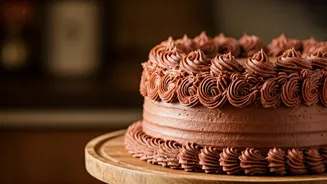
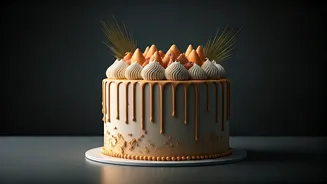
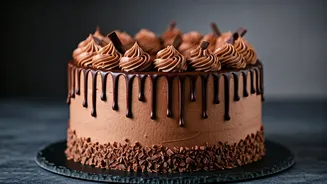
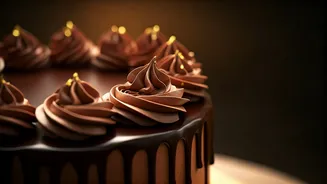
Forget the sleek, minimalist cakes that dominated the 2010s. The new wave is all about maximalism. Think intricate, gravity-defying buttercream piping, dramatic ruffles, shell borders, and glossy maraschino cherries on top. This style is often called
the Lambeth method, named after Joseph Lambeth, who popularized the highly decorative technique in the 1930s. While traditionally done with firm royal icing, today’s bakers often use buttercream for a richer taste and a slightly softer, chunkier look. It’s a style that is both romantic and unapologetically over-the-top, turning dessert into a dramatic centerpiece.
A Reaction Against Modern Minimalism
For years, the trend in high-end baking was simplicity: naked cakes with exposed layers, smooth fondant finishes, and delicate, sparse decorations. The vintage cake revival is a direct, and flamboyant, rebellion against that aesthetic. After a long period of clean lines and understated elegance, many people are craving something more expressive and joyful. This trend embraces excess, vibrant colours, and a sense of playful chaos. It’s a move away from the hyper-curated, perfect food styling of the past and toward something that feels more authentic, individual, and fun.
The Argument For: Nostalgia and Artistry
Fans of the vintage look see it as a celebration of artistry and tradition. In a world dominated by digital screens, there's a deep appreciation for the handmade quality and immense skill required for detailed piping work. Many are drawn to the powerful sense of nostalgia, as these cakes evoke memories of childhood birthdays and family celebrations. Some couples are even asking bakers to recreate their parents' or grandparents' wedding cakes. For bakers, it’s a chance to showcase technical skill and reconnect with a classic form of edible art. The entire process is seen as a therapeutic act of creativity.
The Argument Against: Kitsch and Style Over Substance
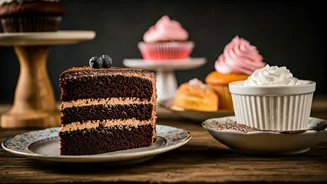
On the other side of the debate, critics argue that the trend is a case of style over substance. Some find the elaborate designs to be kitschy, gaudy, and outdated. The conversation often questions whether these cakes, with their mountains of sugary buttercream, are actually pleasant to eat or are designed primarily for a photo opportunity. The sheer amount of time, specialized piping tips, and steady hands required can be a source of frustration for bakers, with some admitting to a love-hate relationship with the demanding style. Detractors feel the focus is so heavy on the visual 'wow' factor that the flavour of the chocolate cake itself becomes an afterthought.
A Sign of the Times
Ultimately, the split over vintage cakes reflects a broader cultural shift. The trend is a form of joyful, harmless escapism and a celebration of things often dismissed as frivolous or 'girly'. In a post-pandemic world, there is a renewed desire for celebration, and these loud, proud cakes fit the bill perfectly. They are highly customizable, carrying messages from the sincere to the sarcastic, making them a form of self-expression. The debate itself is part of the fun, turning a simple dessert into a topic of conversation and a reflection of personal taste.