




The Creamy Foundation: Cashews
The secret to that velvety, restaurant-quality texture in many rich Indian gravies isn't always cream; often, it's cashews. When soaked and blended into a fine paste, cashews lend a spectacular creaminess and body to the sauce. This technique, popular
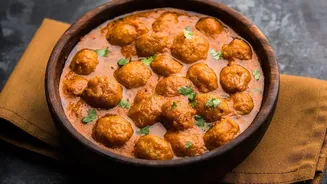
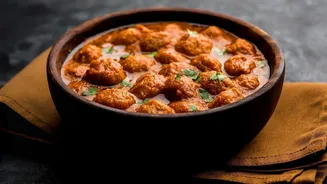
in Mughlai and North Indian cuisine, provides a luxurious mouthfeel that is hard to replicate. The cashew paste acts as a natural thickener, giving the gravy its signature consistency that clings beautifully to the koftas. Beyond texture, cashews contribute a subtle, nutty sweetness that masterfully balances the tang of the tomatoes and the heat of the spices. This richness adds depth without overpowering the other elements, creating a well-rounded and decadent base that feels indulgent yet refined. For a dairy-free alternative to cream, a smooth cashew paste is an excellent substitute, delivering richness and a silky finish.
The Essential Body and Tang: Tomatoes
Tomatoes are the workhorse of a kofta gravy, providing its essential structure, vibrant colour, and a crucial counterpoint to the richness of the nuts and spices. Though not native to India, tomatoes have become a cornerstone of many curries, forming the base of the 'masala' alongside onions, ginger, and garlic. Their primary role is to add volume and a bright, tangy flavour that cuts through the fat and creaminess. This acidity is vital for a balanced taste profile, preventing the gravy from becoming too heavy or one-dimensional. Ripe, red tomatoes lend the gravy its appealing orange-red hue and a subtle sweetness. The process of cooking down tomatoes until they are soft and jammy, and the oil begins to separate from the masala, is a key step that deepens their flavour and builds a robust foundation for the entire dish.
The Soul of the Dish: Foundational Spices
If cashews are the body and tomatoes are the heart, then spices are the soul of the gravy. The flavour is built in layers, starting with foundational spices. Typically, whole spices like cumin seeds, cinnamon, cloves, and cardamom are bloomed in hot oil or ghee at the very beginning. This process, known as 'tadka' or tempering, unlocks their essential oils and infuses the entire dish with a deep, aromatic base. Soon after, powdered spices such as turmeric, coriander powder, and red chilli powder are added. Turmeric provides an earthy flavour and warm colour, while coriander powder offers a mild, citrusy note that helps to thicken the sauce slightly. Red chilli powder, like Kashmiri chilli, is used not just for heat but also for contributing to the gravy's rich red colour. These spices are sautéed briefly to cook out any raw taste before the tomatoes are added, forming the complex flavour backbone of the curry.
The Aromatic Finish: Spices for Fragrance
While foundational spices create depth, the final layer of spices, added towards the end of cooking, provides the captivating aroma that makes a kofta curry so inviting. The most important of these is garam masala, a fragrant blend of warming spices that is stirred in just before serving. Adding it at the end preserves its delicate and volatile aromatic compounds, ensuring the dish has a fresh, fragrant lift. Another key finishing ingredient is kasuri methi, or dried fenugreek leaves. Crushing the leaves between your palms before adding them releases their unique, slightly bitter, and wonderfully savoury aroma, which pairs exceptionally well with tomato-based, creamy gravies. A final garnish of fresh cilantro leaves adds a burst of herbaceous freshness, completing the multi-layered sensory experience of a perfectly crafted kofta gravy.