





From Plantation to Palate
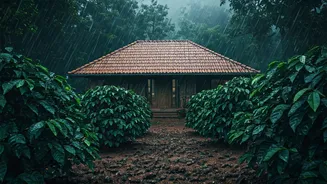
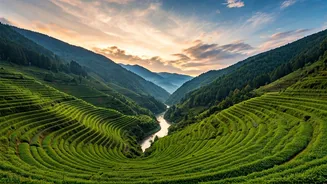
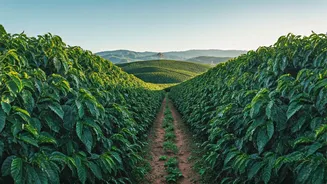
For generations, the sprawling coffee plantations of Coorg, Chikmagalur, and the Nilgiris have been the silent, verdant heart of India’s coffee production. Historically, these estates grew beans that were blended and sold as a commodity, their individual
character lost in a large-scale supply chain. The coffee that reached our cups was reliable, but often anonymous. However, a significant shift is underway. A new generation of planters and entrepreneurs is championing a 'bean-to-cup' philosophy. They are no longer content to be just farmers; they are curators of taste, eager to connect the drinker directly to the terroir, altitude, and unique processing methods of their specific estate. This movement is turning coffee from a simple commodity into a craft product, much like wine or single-malt whisky.
Beyond Traditional Filter Kaapi
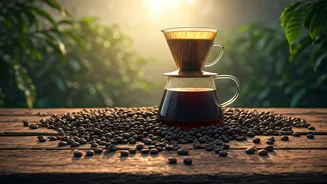
When we say 'filter coffee' in India, the mind immediately conjures the image of strong, chicory-blended decoction frothed with hot milk, served in a dabarah and tumbler. This beloved South Indian filter kaapi is a cultural institution. The new craze, however, refers to a different kind of filter coffee—manual brewing methods like the V60 pour-over, AeroPress, and French Press. These techniques, popular in global specialty coffee circles, are designed to highlight the delicate and complex notes of the coffee bean itself. Unlike the traditional method which aims for a bold, consistent flavour, these new methods can reveal a coffee's fruity, floral, or nutty undertones. They require a lighter roast and a more mindful brewing process, transforming a morning habit into a sensory ritual.
The Rise of the Single-Origin Star
This new brewing culture is powered by single-origin beans, and that’s where the estates come back into focus. A 'single-origin' coffee comes from a specific geographical location—sometimes a single farm or estate. Brands are now proudly displaying the names of estates on their packaging: a Ratnagiri Arabica, a Kerehaklu Robusta, or a Baarbara Estate blend. This transparency allows consumers to understand that the coffee from the high-altitude hills of Chikmagalur tastes different from the beans grown in the shaded valleys of Coorg. Estates are leaning into their unique identities, experimenting with processing methods like 'honey-sun-dried' or 'anaerobic fermentation' to create distinctive flavour profiles. This gives discerning consumers choice and a story to go with their cup.
The Estate as an Experience
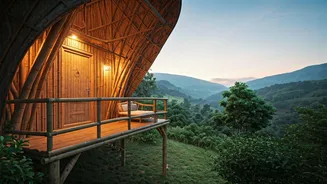
The romance of this trend is amplified by the growing popularity of coffee tourism. Many estates have opened their gates to the public, offering boutique homestays, guided 'bean-to-cup' tours, and coffee-tasting sessions right at the source. Visitors can walk through the coffee blossoms, watch the beans being picked and processed, and learn brewing techniques from the experts. This immersive experience forges a powerful connection between the consumer and the coffee’s origin. When you’ve seen the mist rolling over the hills where your coffee was grown, that morning cup of pour-over tastes different. It’s no longer just a beverage; it’s a memory and a destination, creating a loyal following that urban cafes and roasters are tapping into.
Empowering the Home Brewer
Ultimately, the filter coffee craze is a democratic one. While specialty cafes have been pivotal in introducing these concepts, the real revolution is happening in our kitchens. The availability of high-quality, freshly roasted single-origin beans online—often shipped directly from the estates—has empowered a generation of home brewers. Affordable brewing equipment, from the simple French Press to the more intricate V60, has made it easy to experiment. Online tutorials and a thriving community of coffee enthusiasts on social media provide the knowledge and inspiration. The estate-led movement has placed the power of a perfect, flavourful cup directly into the hands of the drinker, making every morning an opportunity for discovery.