




Why Monsoon Increases Food Spoilage
The defining feature of the monsoon, high humidity, is also a major culprit in food spoilage. Moisture in the air is a crucial factor for the growth of microorganisms like bacteria, yeast, and mould. In a humid environment, these microbes can multiply
rapidly on food surfaces, especially on cooked items left at room temperature. This accelerates spoilage, alters the food's texture and nutritional value, and significantly increases the risk of foodborne illnesses. During this season, simply leaving leftovers on the counter for an hour or two can be enough for harmful bacteria to grow to dangerous levels, making proper storage and reheating more critical than ever.
The Special Case of Reheating Rice
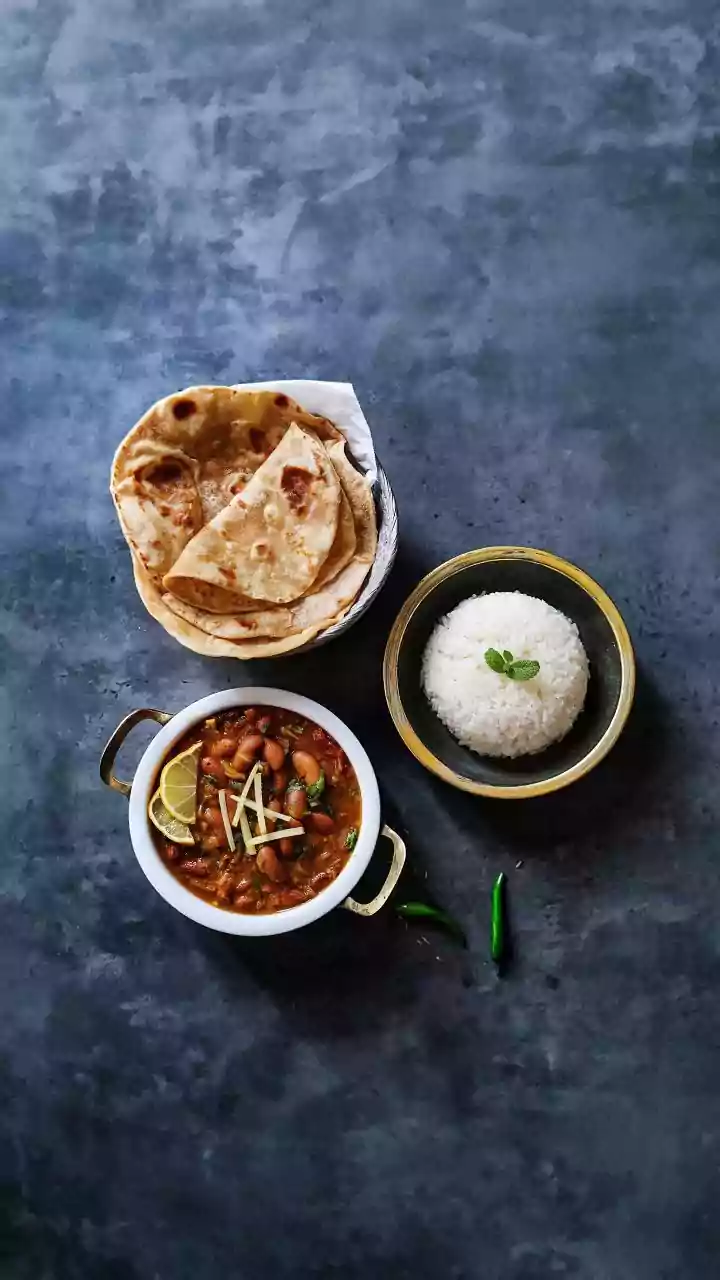
Rice requires special attention due to a bacterium called Bacillus cereus. Its spores can survive the initial cooking process and are heat-resistant. If cooked rice is left at room temperature (between 4°C and 60°C), these spores can germinate and produce toxins. When you reheat the rice, you might kill the bacteria, but the heat-stable toxins can remain, which can cause vomiting and diarrhea. To prevent this, rice must be cooled down quickly after cooking, ideally within an hour. Store it in an airtight container in the refrigerator and aim to consume it within a day. When reheating, ensure it is piping hot throughout, reaching an internal temperature of at least 74°C (165°F). If the rice has been sitting out for more than two hours, it is safest to discard it.
Handling Dal, Sambar, and Lentils
Lentil-based dishes like dal and sambar are staples in Indian households. Being rich in protein and moisture, they are also susceptible to spoilage. The key is to cool them down as quickly as possible before refrigerating. Avoid leaving a large, hot pot of dal on the kitchen counter to cool for hours. Instead, divide it into smaller, shallow containers to speed up the cooling process and then place them in the fridge. Always use airtight containers to prevent the absorption of moisture and other odours. When it's time to eat, reheat only the portion you plan to consume. Bring dals and other liquid gravies to a rolling boil on the stovetop to ensure they are heated thoroughly and any potential bacteria are killed.
Best Practices for Curries
Curries, whether vegetable, paneer, or meat-based, follow similar rules. Rapid cooling and proper refrigeration are essential. Be extra cautious with curries that contain coconut milk or dairy, as they tend to spoil faster. Storing curries in glass containers is often better than plastic, as plastic can sometimes retain odours and stains. When reheating, a stovetop is often preferable to a microwave as it allows for more even heating. Stirring the curry as it heats helps distribute the temperature and prevents cold spots where bacteria can survive. Just like with rice and dal, ensure the curry reaches a temperature of at least 74°C (165°F) before serving. If a curry looks, smells, or tastes even slightly off, do not risk eating it.
The Golden Rules of Leftovers
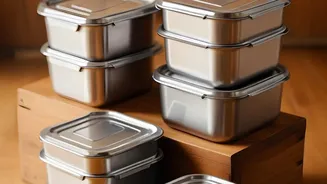
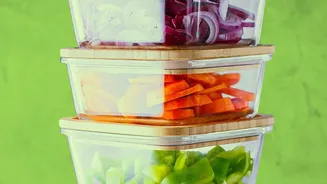
To keep your monsoon kitchen safe, follow these simple rules. First, practice the two-hour rule: refrigerate all leftovers within two hours of cooking. Second, store food in clean, airtight containers to protect it from moisture and cross-contamination. Third, when reheating, make sure the food is heated all the way through until it is steaming hot, ideally checking with a food thermometer for a reading of 74°C (165°F). Finally, adopt the mantra: “When in doubt, throw it out.” No leftover is worth the risk of a foodborne illness, especially during a season when our bodies may already be vulnerable.